
Is Rapamycin Being Overhyped? A Critical Analysis
Is rapamycin overhyped in the longevity community, or is it a scientific breakthrough that can finally slow human aging? While some claim it is the most promising anti-aging drug today, critics argue that the rapamycin longevity hype has outpaced the actual rapamycin anti-aging evidence in humans [1] [2]. Preclinical data shows rapamycin is the most robust and reproducible drug for extending lifespan across evolution, but translating this to healthy people remains complex. This critical analysis dives deep into the mechanisms, clinical data, and side effects to determine if rapamycin is truly a “silver bullet” for a longer life [3] [4].
What Rapamycin Is
What is the mechanism of rapamycin as an mTOR inhibitor?
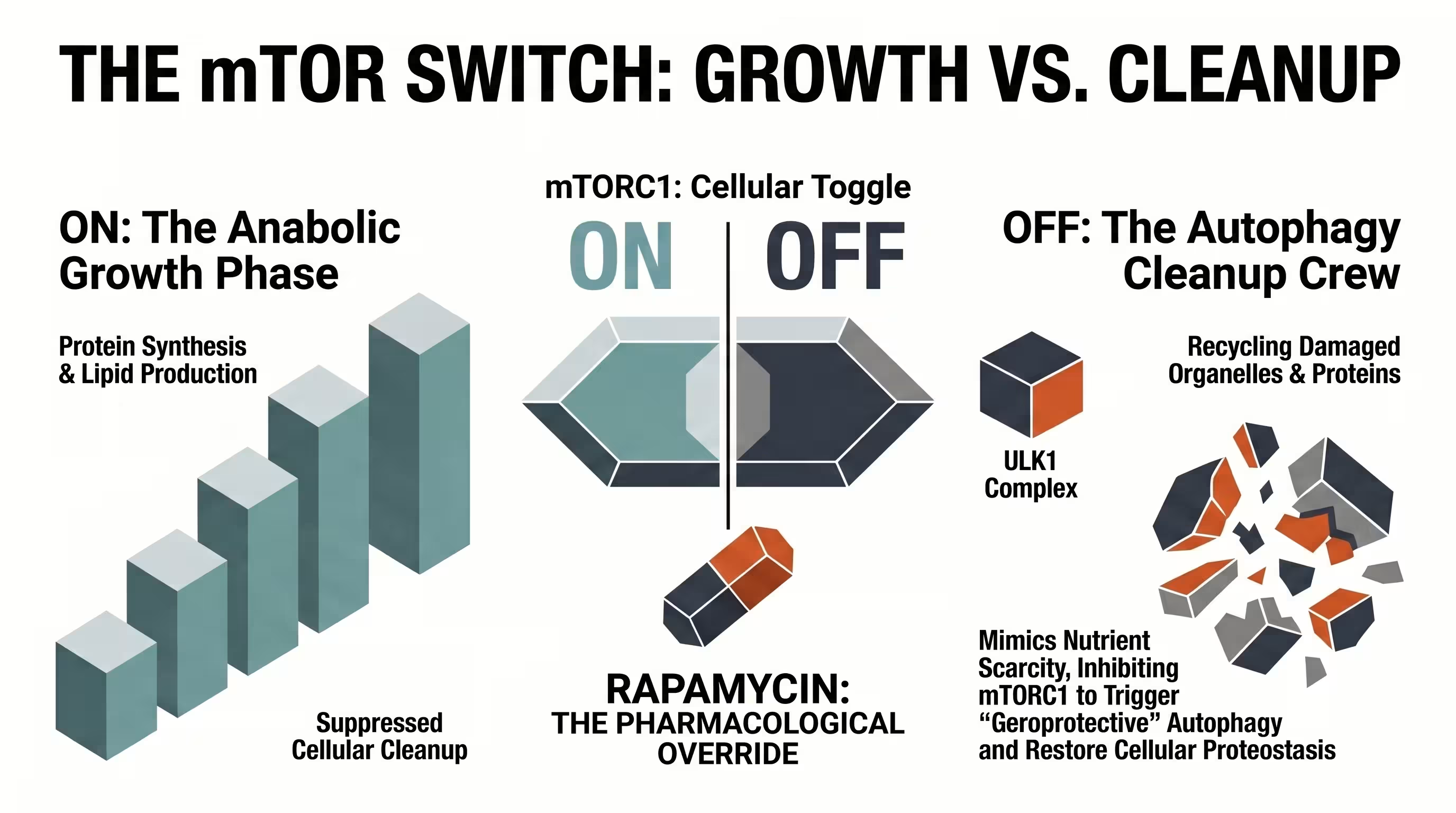
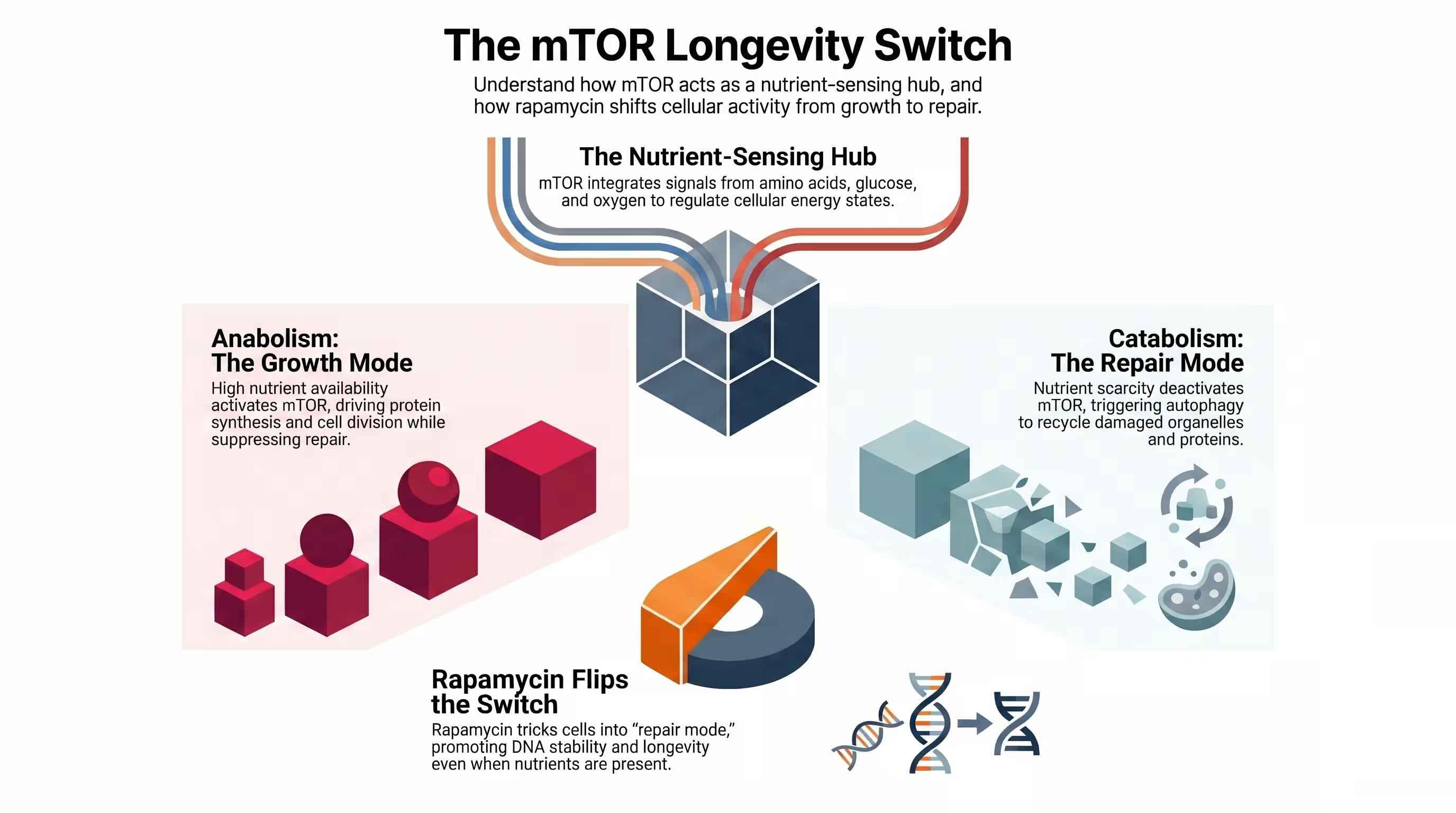
Rapamycin acts as a highly specific allosteric inhibitor of the mechanistic target of rapamycin (mTOR), a protein kinase that serves as the master regulator of cellular growth and metabolism in response to nutrient availability . It essentially tricks cells into a state of perceived nutrient scarcity, shifting them from an anabolic growth state to a catabolic maintenance state [5] [6].
The protein known as mTOR links environmental nutrient availability to a cell’s decision to build material (anabolism) or break it down (catabolism). When nutrients are high, mTOR is active, promoting growth and reproduction; when nutrients are low, mTOR activity drops, triggering a “recycling” process called rapamycin autophagy. Rapamycin inhibits this pathway by binding to a protein called FKBP12, which then docks onto the mTOR complex, physically changing its shape and blocking it from acting on its targets [5] [7].
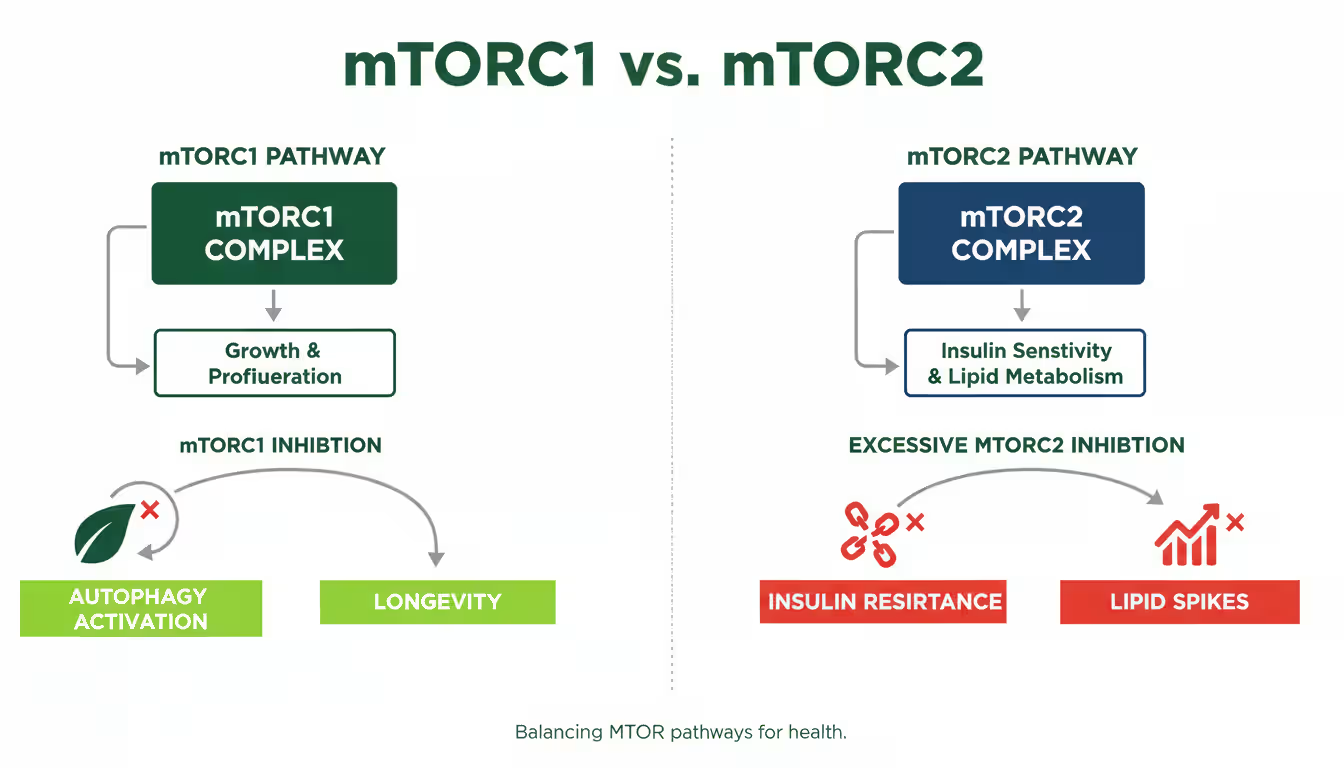
Scientific research has identified two primary complexes: rapamycin mTORC1 and rapamycin mTORC2. While mTORC1 is acutely sensitive to rapamycin and responsible for most longevity benefits, mTORC2 is only inhibited after chronic, high-dose exposure. This distinction is vital because inhibiting mTORC1 promotes cellular repair, while unintended inhibition of mTORC2 is linked to metabolic side effects [2] [8] [9] .
What are the primary medical and off-label uses for rapamycin?
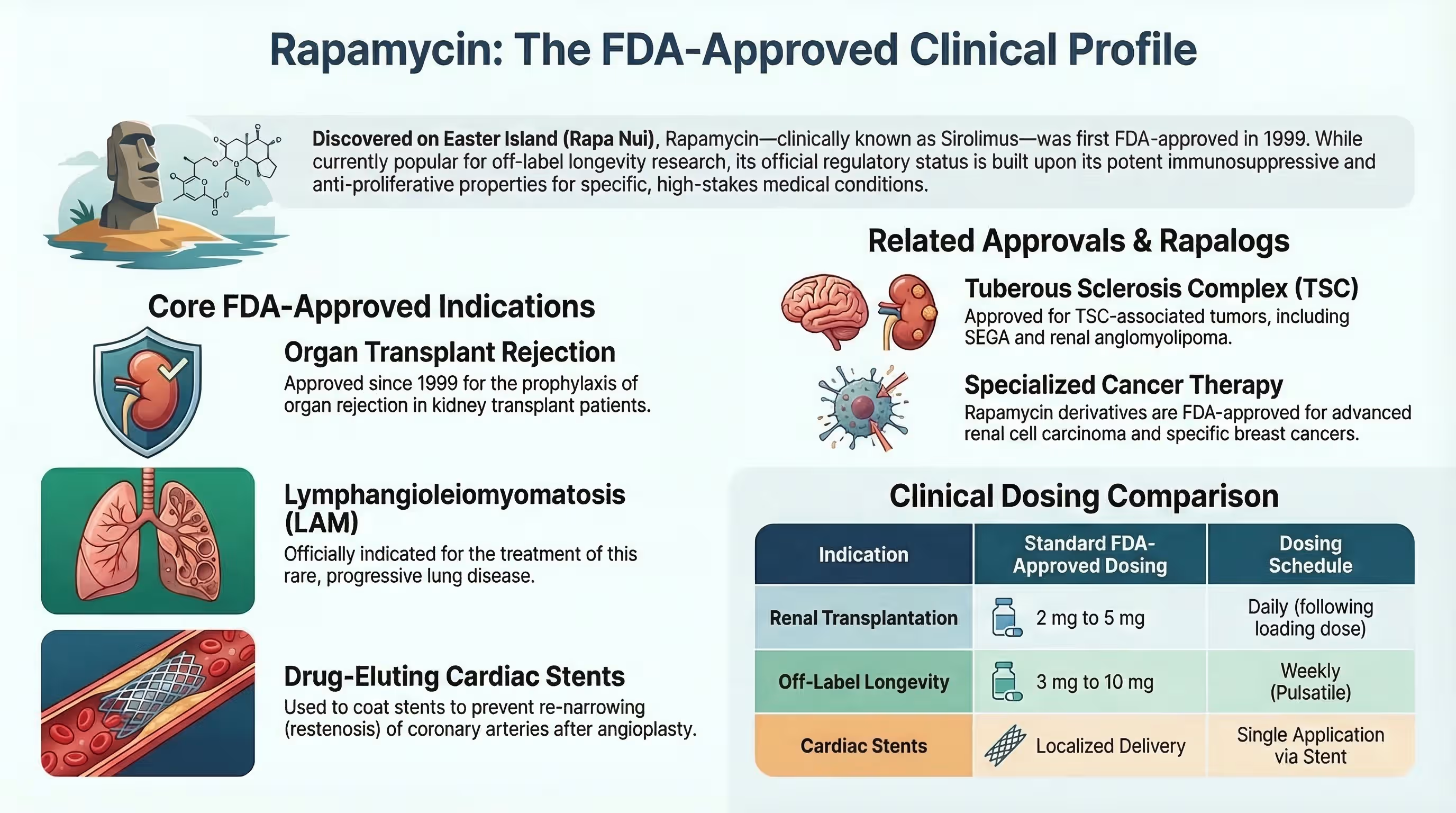
FDA-approved for over 20 years, rapamycin (sirolimus) is primarily used to prevent organ transplant rejection and treat rare diseases like lymphangioleiomyomatosis (LAM) and tuberous sclerosis complex (TSC) [6] [10] [11]. Recently, an explosion of rapamycin off-label use has seen healthy individuals taking “longevity doses” to potentially slow biological aging [1] [12].
In its initial 1999 FDA approval, rapamycin was used at high daily doses (2-3 mg) alongside other toxic drugs to shut down the immune systems of kidney transplant recipients. Over time, its clinical utility expanded to oncology and the treatment of mTOR-related genetic disorders, such as seizures in children with TSC [10] [11]. The drug is also used in medical devices, such as rapamycin-eluting stents, to prevent coronary artery restenosis [9] [13].
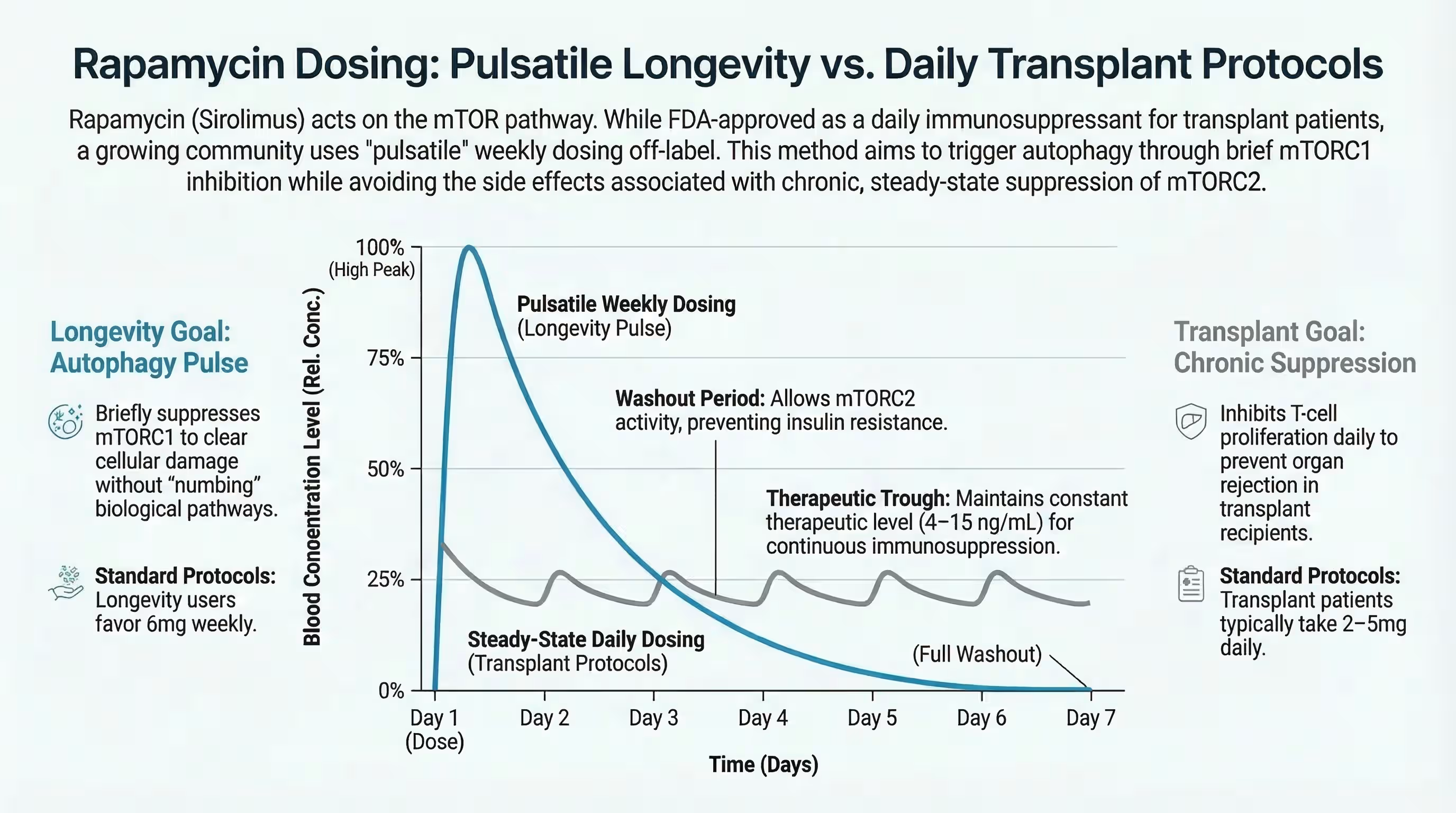
In the modern rapamycin latest research 2026 landscape, thousands of “biohackers” and health-conscious adults have begun using the drug off-label [5] [11]. Unlike the daily transplant regimen, these users typically follow an intermittent rapamycin dosing schedule, such as 6 mg once weekly [1] [12]. This shift aims to maximize rapamycin healthspan benefits while avoiding the chronic immune suppression associated with daily administration [1] [6].
Why Rapamycin Became a Longevity Trend
Does animal data support the claim that rapamycin increases lifespan?
Animal studies provide the most compelling evidence for rapamycin’s efficacy, consistently showing it increases both median and maximal lifespan in yeast, worms, fruit flies, and mice [14] [15]. Most notably, the NIA Interventions Testing Program (ITP) proved rapamycin extends mouse lifespan even when started late in life, roughly equivalent to a 60-year-old human [4] [16].
The 2009 ITP study was a breakthrough because it was the first pharmacological intervention to robustly and reproducibly extend rapamycin lifespan in genetically heterogeneous mice at three different laboratory sites. Females saw a 14% increase in median lifespan, while males saw a 9% increase [16]. Subsequent studies using higher doses showed median lifespan extensions of up to 26% in females and 23% in males [17] [18].
These results have been replicated dozens of times in various mouse strains [4] [19]. Furthermore, rapamycin has shown promise in companion animals; preliminary data from the Dog Aging Project suggests improvements in cardiac function in middle-aged pet dogs [6] [7]. The fact that rapamycin works across such a broad evolutionary spectrum suggests it targets a fundamental, conserved mechanism of aging [14].
How does rapamycin function as a caloric restriction mimetic?
Rapamycin is often called a rapamycin caloric restriction mimetic because it inhibits the same nutrient-sensing pathway (mTORC1) that is naturally suppressed during fasting or food limitation [1] [4] [20]. It “tricks” the cell into a starvation-like state of repair and maintenance without requiring the actual reduction of food intake [21] [22].
Caloric restriction is one of the few interventions proven to extend lifespan across species, but it is notoriously difficult for humans to maintain [11]. Because CR works by lowering mTORC1 activity, researchers hypothesized that a drug could achieve the same effect. Rapamycin fits this role, though recent data suggests rapamycin vs fasting results in distinct gene expression profiles [4] [19] [20].
While they are overlapping, rapamycin and CR are not identical [7] [19]. A study in aging skeletal muscle showed that while both interventions benefited muscle integrity, they acted through different molecular signatures, suggesting they might even have additive effects if used together [20]. This has fueled the trend of using rapamycin as a “pharmacological hack” for those who cannot or will not undergo severe dietary restriction [11] [20].
Does rapamycin truly enhance cellular maintenance through autophagy?
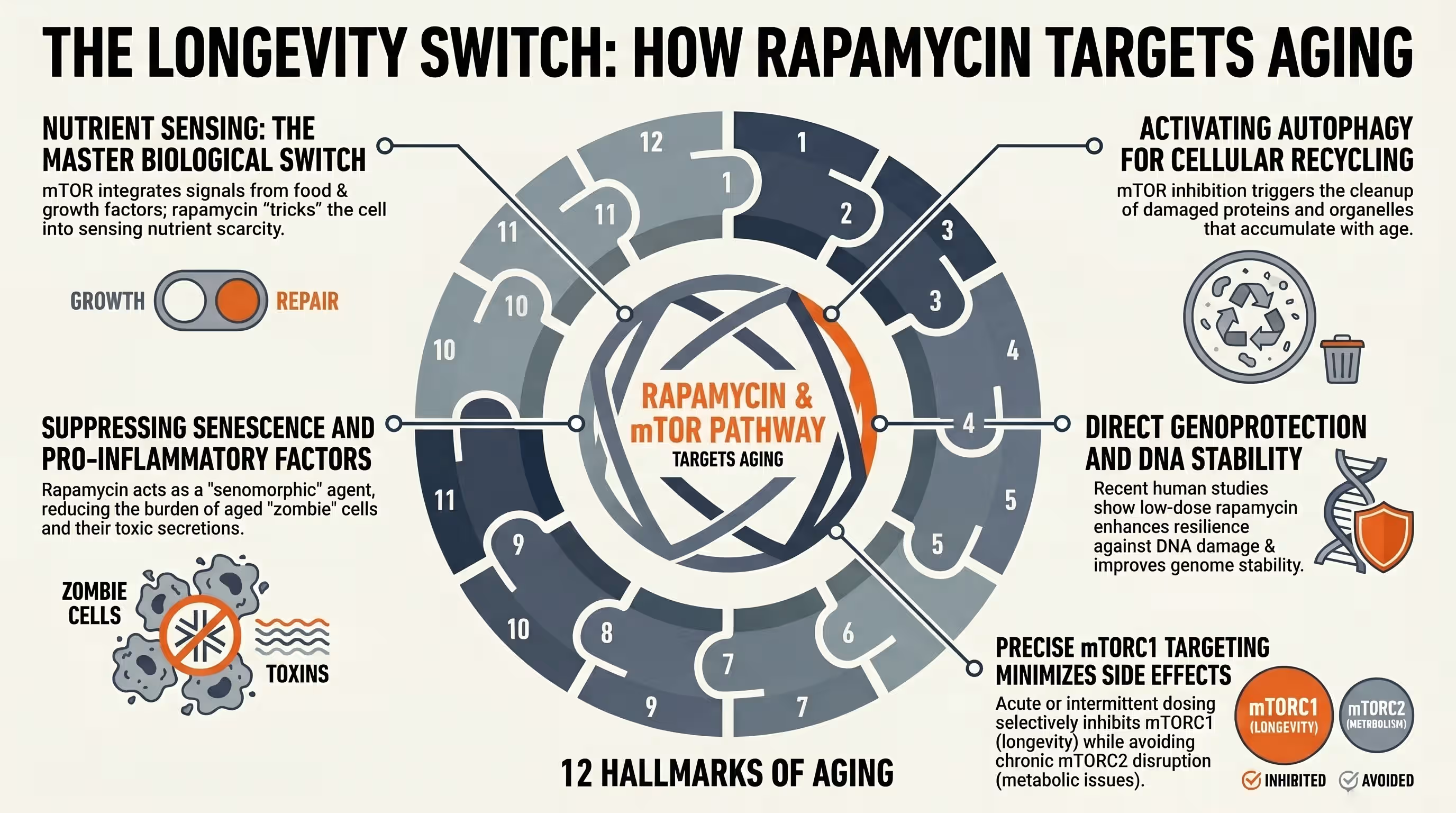
Rapamycin directly activates autophagy, the cell’s internal recycling system that clears out damaged proteins and organelles, by inhibiting mTORC1 [15]. This process is considered a central pillar of its anti-aging effects, as the accumulation of “cellular junk” is a primary hallmark of biological aging [5] [7].
Autophagy is effectively the “self-eating” or destruction of aged or damaged parts of the cell inside the lysosome. As we age, mTOR activity typically increases, which suppresses this critical cleaning process, leading to cellular dysfunction. Rapamycin restores this balance by triggering the transcription factor TFEB, which promotes the production of new lysosomes and “cleans” the cell [1] [7] [15].
This enhanced maintenance has broad implications. In preclinical models, it has been shown to rejuvenate the aging immune system, preserve stem cell function, and even structurally rejuvenate ovaries and oral tissues [7] [14]. By maintaining “proteostasis”—the health of a cell’s proteins—rapamycin prevents the cellular senescence that contributes to chronic diseases like Alzheimer’s and cancer [5] [11].
What the Evidence Actually Shows
What do preclinical studies reveal about rapamycin’s impact on healthspan?
Beyond lifespan, preclinical studies show that rapamycin positively impacts nearly every metric of rapamycin healthspan measured in complex animals [23]. This includes improvements in cardiac function, cognitive ability, tendon viscoelasticity, and protection against various age-related cancers [5] [11] [18].
In rodents, rapamycin has been shown to reverse age-related heart dysfunction and reduce cognitive deficits [11] [24]. It also appears to protect against “inflammaging”—the chronic low-grade inflammation that drives many diseases [4] [13]. Specifically, rapamycin can improve memory in symptomatic mice modeling Alzheimer’s and delay the onset of malignancies in cancer-prone strains [3] [11].
One of the most striking preclinical findings is that rapamycin treatment for as little as 6 to 12 weeks can functionally rejuvenate tissues like the oral cavity and intestines, with effects persisting long after the drug is stopped [1] [5]. These “transient” benefits have led to the idea that humans might not need to take the drug continuously to see results, though this remains an active area of investigation [4] [6] [7].
What are the key findings from rapamycin human trials?
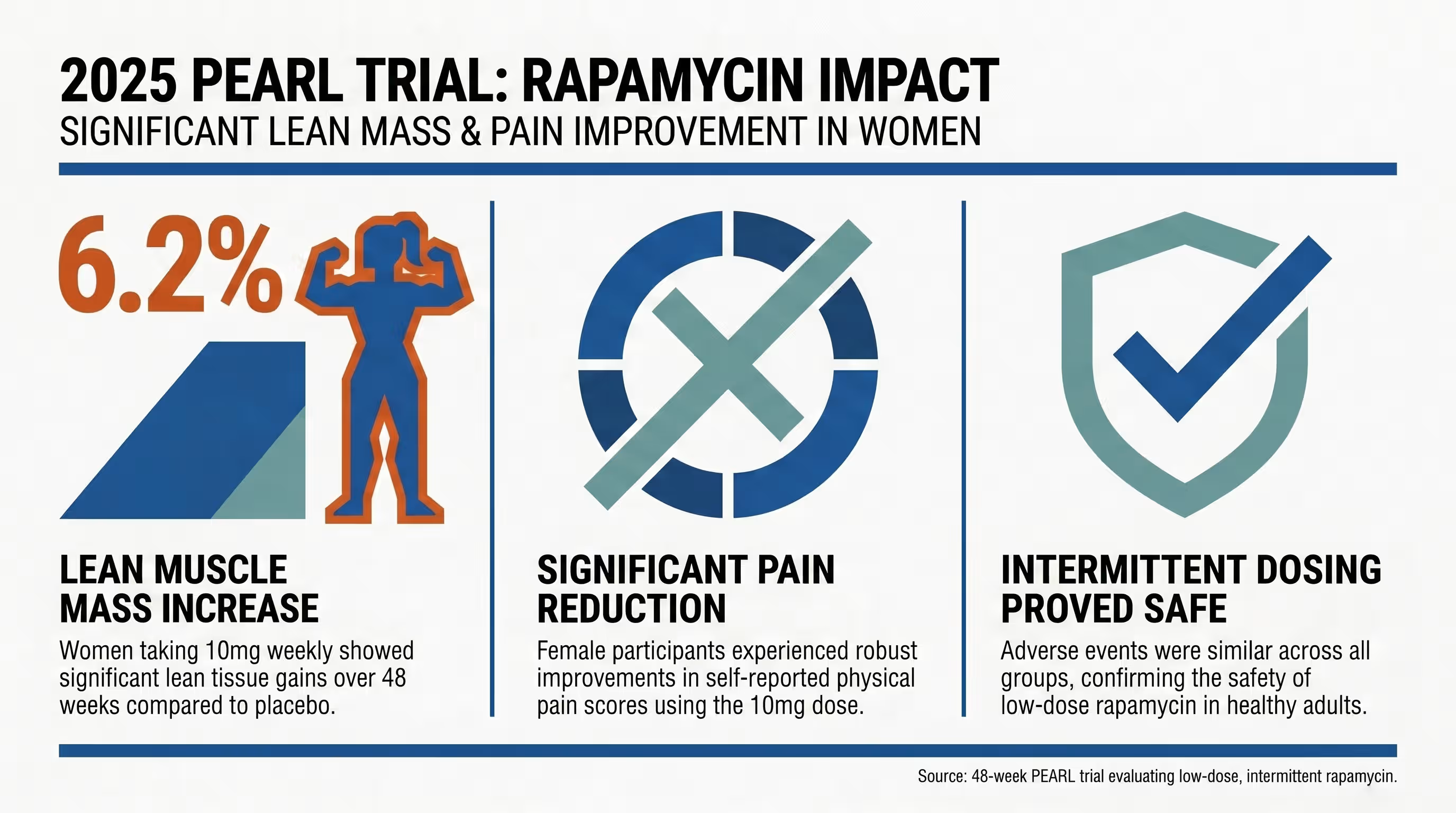
Rapamycin human trials are still in their infancy but have shown that low-dose, intermittent administration is relatively safe and can improve specific markers of aging [5] [12]. The PEARL trial found that 5-10 mg weekly doses were well-tolerated and improved lean muscle mass and pain symptoms, particularly in women [1].
The 48-week PEARL trial (Participatory Evaluation (of) Aging (with) Rapamycin (for) Longevity) was the largest long-term RCT to date in healthy, normative-aging adults. While it failed to show a significant decrease in visceral fat (its primary endpoint), it demonstrated that low-dose rapamycin is safe and potentially beneficial for body composition [1] [11].
Other trials, such as those led by Joan Mannick, focused on immune function [3]. They discovered that low doses of everolimus (a rapalog) could actually enhance the immune response to flu vaccines in the elderly, reducing subsequent respiratory infections by up to 30%. This contradicted the “immunosuppressant” label, suggesting that in older adults with declining immunity, mTOR inhibition can “rejuvenate” rather than suppress the system [4] [9] [18].
What are the healthspan and lifespan outcomes in humans?
Currently, there is no evidence that rapamycin increases human lifespan, as such a study would take decades to complete [3] [7]. Research is instead shifting focus toward rapamycin healthspan metrics, such as physical stamina, immune resilience, and the reduction of age-related pain and frailty [1] [11].
While rapamycin for longevity is the ultimate goal, clinicians argue that “adding life to years” is more immediately measurable and perhaps more important than “adding years to life” [1] [7]. In human surveys, users report subjective increases in well-being and physical stamina, though these results may be influenced by the placebo effect [3].
The current evidence gap lies in the lack of validated rapamycin biomarkers. We do not yet have a “gold standard” test to prove a drug is slowing biological aging in humans [1] [11]. Until long-term trials can link drug use to a delay in the onset of major chronic diseases, rapamycin remains a promising candidate rather than a proven human geroprotector [3] [18].
The Main Limitations
What are the primary trade-offs between mTORC1 and mTORC2 inhibition?
The “Holy Grail” of mTOR research is inhibiting mTORC1 (the longevity complex) without affecting mTORC2 (the metabolic complex). Most side effects, such as rapamycin insulin resistance and hyperlipidemia, are thought to stem from unintended mTORC2 inhibition that occurs with high or frequent doses [8] [18] [24].
In the laboratory, acute rapamycin treatment specifically targets mTORC1. However, chronic daily dosing can “sequestrate” mTOR, preventing it from forming the mTORC2 complex [6] [18]. This is problematic because mTORC2 regulates insulin signaling and lipid metabolism [9]. When mTORC2 is suppressed, it can lead to elevated blood glucose and triglycerides [14] [24].
Researchers believe that intermittent rapamycin dosing (like once a week) allows mTORC2 to recover between doses, effectively “pulsing” the inhibition of mTORC1 while leaving metabolic functions intact [1] [4]. This strategy is the cornerstone of modern longevity protocols, but its long-term effectiveness in preventing mTORC2-related damage is still being studied [8] [9].
Does rapamycin cause diabetes or insulin resistance?
Chronic, high-dose rapamycin is associated with rapamycin glucose control issues, including glucose intolerance and new-onset diabetes in transplant patients [1] [9]. However, some experts argue this is a “benevolent pseudo-diabetes” that is reversible and resembles the protective metabolic state seen during long-term fasting [22] [24].
The link between rapamycin and rapamycin insulin resistance is one of the most debated topics in the field. In transplant recipients taking high daily doses, the risk is clear. In healthy older adults taking low doses, however, trials like PEARL and Mannick’s studies saw no significant changes in blood glucose or HbA1c [1] [9] [18].
One interesting theory, proposed by Mikhail Blagosklonny, is that rapamycin-induced hyperglycemia is a “starvation-mimicking side effect.” Just as the body raises blood sugar during extreme fasting to spare glucose for the brain, rapamycin may induce a similar state that is not inherently damaging and disappears when the drug is stopped [22]. Regardless, anyone taking rapamycin should monitor their blood glucose closely [3] [4].
Is there a significant infection risk for rapamycin for longevity users?
At high daily doses, rapamycin is a potent immunosuppressant that increases rapamycin infection risk. Conversely, low-dose intermittent rapamycin dosing has actually been shown to improve immune function in older adults, likely by reversing age-related immune exhaustion (immunosenescence) [7] [14] [18].
The “unlucky” history of rapamycin as a transplant drug gave it a reputation for danger that may not apply to longevity dosing. High doses inhibit the proliferation of T cells needed to fight off invaders. But as we age, our immune systems become “hyper-functional” and exhausted. Low-dose rapamycin “rejuvenates” the system by enhancing the resilience of T cells against DNA damage and improving their response to vaccines [4] [7] [18].
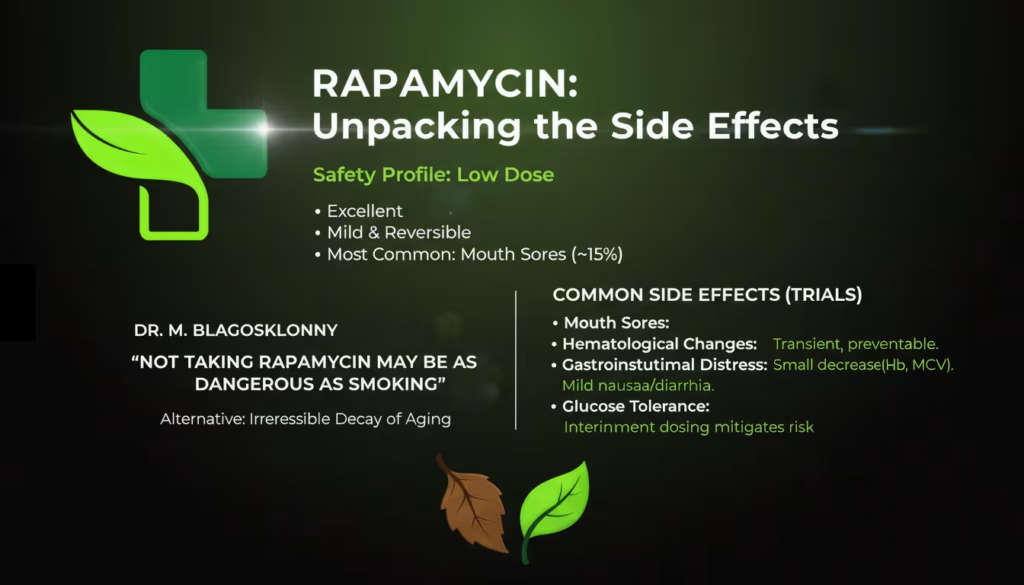
Survey data from over 300 off-label users found no increase in bacterial or viral infections compared to non-users [5]. In fact, some users reported fewer cases of moderate-to-severe COVID-19 [3] [25]. The only consistently reported immune-related side effect at low doses is rapamycin mouth sores (canker sores), which occur in about 15-20% of users [9].
Does rapamycin cause muscle loss or interfere with exercise?
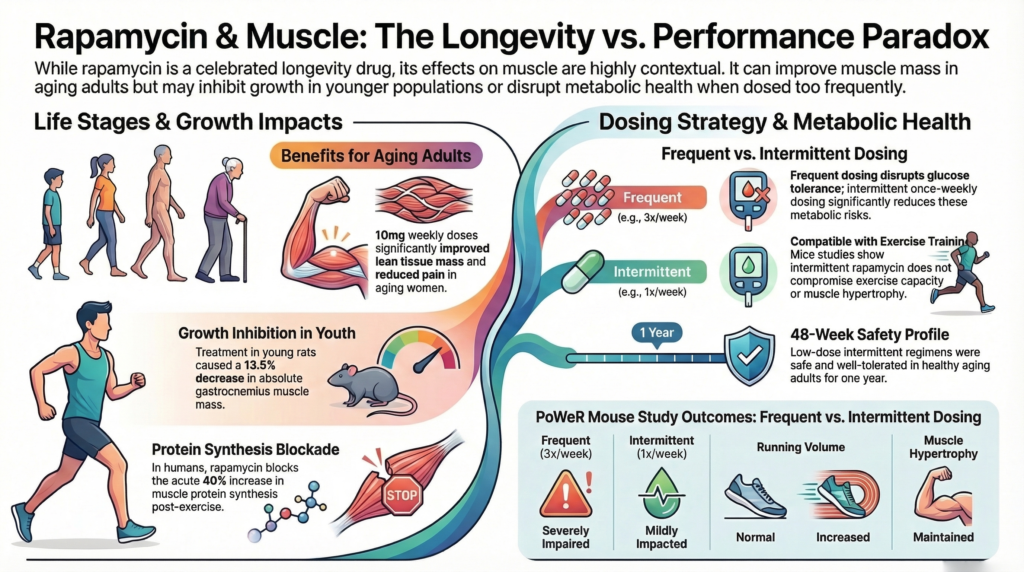
There are valid concerns that inhibiting mTOR, a key driver of rapamycin muscle growth, could accelerate sarcopenia (age-related muscle loss) or impair wound healing [7] [18]. While human data shows rapamycin can blunt the acute muscle-building response to exercise, long-term rodent studies suggest it may actually preserve muscle mass during aging [3] [7].
Because mTORC1 activation is required for muscle protein synthesis, researchers initially predicted rapamycin would cause muscle wasting. However, trials like PEARL showed that women taking weekly rapamycin actually increased their lean tissue mass [1]. This may be because chronic over-activation of mTOR with age (anabolic resistance) actually prevents muscle maintenance, and “resetting” it with rapamycin restores function [7].
Rapamycin and exercise timing is a major concern for “biohackers.” Taking the drug on the same day as heavy resistance training might blunt the growth response. Most experts suggest taking the drug on a rest day or during a “pulse” schedule to allow for natural mTOR spikes during training [7] [21]. Additionally, rapamycin can interfere with the proliferation of cells needed for tissue repair, so it is generally recommended to stop the drug before and after surgery [1] [18].
| Potential Concern | Clinical Context | Longevity Context (Low Dose/Intermittent) |
|---|---|---|
| Insulin Resistance | High Risk (Daily Dosing) | Low/Unclear Risk (Weekly) |
| Hyperlipidemia | Common | Mild/Uncommon |
| Infection Risk | Elevated | No increase/May improve |
| Mouth Sores | Very Common | Occasional (15-20%) |
| Muscle Growth | Impaired | May preserve mass |
Who May Benefit Most from Rapamycin?
Transplant and seizure indications
Rapamycin is life-saving for organ transplant recipients and individuals with tuberous sclerosis complex (TSC). For children with TSC, rapamycin (sirolimus) is a critical treatment for controlling refractory seizures and reducing the growth of benign tumors in the brain and kidneys [11] [26].
In the context of monogenic disorders like TSC, mTOR hyperactivation is the primary driver of the disease. Clinical trials have shown that rapamycin and its analog, everolimus, are effective at reducing seizure frequency and improving neurodevelopmental outcomes when initiated early in life [11] [26].
The success in TSC provides a “proof of concept” for the entire field of mTOR medicine. It demonstrates that when the mTOR pathway is “broken” or over-active, pharmacological inhibition can restore physiological balance. This has led scientists to wonder if “normal” aging is simply a more subtle, systemic version of the hyper-mTOR state seen in TSC [4] [5] [11].
Can older adults benefit from “longevity doses” of rapamycin?
Evidence suggests that older adults (aged 65+) may see significant benefits in immune resilience and cardiovascular health [1] [12]. Unlike younger people, whose mTOR pathways are likely functioning optimally, older adults often have “hyper-functional” mTOR signaling that drives age-related decline [4] [18].
As the body ages, it enters a state of “geroconversion,” where growth-promoting signals like mTOR remain active even though the body is no longer growing. This drives cells into a senescent, inflammatory state. Low-dose rapamycin acts as a “brake” on this process [4].
Clinical trials in the elderly have documented improved responses to vaccines and potential structural rejuvenation of the skin. Furthermore, preliminary results from trials focusing on rapamycin vs metformin or rapamycin in combination with other “geroprotectors” suggest that the elderly population has the most to gain from intervention, as they are already experiencing the symptoms of mTOR-driven decline [9] [18].
Is rapamycin appropriate for healthy young or middle-aged adults?
This is the rapamycin evidence gap. While the risk-benefit ratio is favorable for the elderly or the ill, it is much harder to justify for a healthy 40-year-old. In this group, the biological mTOR system is often still balanced, and unnecessary inhibition could interfere with growth, reproduction, or metabolic health [3] [9] [21].
Matt Kaeberlein, a leading researcher, warns that while rapamycin is promising, it should not be given to “pre-teenagers” or young adults in their primary growth and reproductive stages. mTOR is essential for building a healthy body; inhibiting it prematurely could have unintended consequences on bone density, muscle development, and fertility [15] [18] [21].
Furthermore, rapamycin clinical trials have yet to establish a “safe” dose for multi-decade use in healthy people. Most experts agree that lifestyle—diet, exercise, and sleep—is the only “proven” intervention for this group [1] [18]. Rapamycin should be seen as a powerful tool to be used when lifestyle is no longer enough to counteract the biological momentum of aging [4] [21].
Key Unanswered Questions
What is the optimal dose and dosing frequency to take rapamycin for longevity?
The honest answer is that no one knows. While animal data suggests higher doses lead to greater longevity, human “longevity doses” are mostly based on guesswork and early pilot studies. The most common regimen is 5-7 mg once weekly, but some experts argue for bi-weekly or even lower daily doses [3] [9] [21].
The challenge lies in the “narrow therapeutic index” of rapamycin. Too little provides no benefit; too much causes toxicity. Because human metabolism varies wildly, a 6 mg dose might result in a 2.5 ng/ml blood level in one person and an 11.8 ng/ml level in another [4] [9] [7]. This inter-individual variability makes a “one size fits all” dose impossible [25].
Recent rapamycin latest research 2026 has also highlighted the importance of rapamycin biomarkers. Without a way to measure “mTOR target engagement” in the blood, users are flying blind. Most practitioners now recommend routine blood testing and “dose personalization” based on the emergence of side effects like mouth sores or elevated lipids [4] [11] [25].
How do we know if rapamycin is actually working in a human?
Currently, we lack a definitive biomarker for the anti-aging response [1] [11]. While blood levels of rapamycin can be measured, they don’t tell us how much “aging” has been slowed [25]. Researchers are exploring “epigenetic clocks” and “PhenoAge” models, but these are not yet clinically validated as proof of efficacy [3] [21].
In mouse studies, researchers measure the phosphorylation of protein S6 (p-S6) in tissues to prove mTOR inhibition. However, p-S6 has proven to be an inconsistent clinical biomarker in humans [11] [16]. Trials like PEARL used visceral adiposity and DXA scans as secondary markers, while others looked at “immune clocks” [1] [9].
The rapamycin evidence gap will only be closed when we identify a biomarker that reliably correlates with the drug’s healthspan benefits [3] [11]. Until then, users often rely on “proxy” markers like improved C-reactive protein (inflammation) or subjective improvements in energy and joint pain [1] [3] [25].
Is it safe to take rapamycin for long term, 10 or 20 years?
This is the biggest “known unknown.” While we have 20 years of data on transplant patients, their physiological state is vastly different from that of the healthy aging population [1] [25]. The long-term impact of “longevity doses” on things like bone health, cataract formation, and chronic immune tone is still speculative [12] [18].
Short-term trials (up to one year) have shown that low-dose rapamycin is “relatively safe.” But aging is a process that takes decades. There are theoretical concerns about “rebound mTOR hyperfunction” if the drug is stopped, or potential long-term suppression of the “catabolic-anabolic cycle” that the body needs for health [1] [3] [4].
Furthermore, the quality of the drug matters. Many off-label users turn to compounded rapamycin, which can have significantly lower bioavailability (estimated at only 31% of commercial versions) and may contain impurities. Experts stress that “splurging” on pharmaceutical-grade sirolimus and undergoing routine medical monitoring is essential for minimizing these long-term risks [4] [7] [25].
What is the future of mTORC1-selective drugs?
Many scientists believe that the future lies in mTORC1-selective rapalogs or “rapalinks” that can target the pathway with even higher precision and fewer side effects. Some of these “next-generation” molecules are already in early clinical development [7] [18].
While we wait for these “silver bullets,” some argue we should use the “unlucky” drug we have now. Rapamycin is a generic, affordable, and well-understood molecule. Until more selective rapalogs are clinically available and proven safe, rapamycin remains the “best option we’ve got” for those looking to pharmacologically influence the aging process [4] [21].
Conclusion: Is rapamycin being overhyped?
Rapamycin is undeniably the most robust anti-aging drug in animal models, but for healthy humans, it remains an experimental intervention with significant evidence gaps.
The “hype” is justified by the fact that rapamycin is the only drug that has consistently extended mammalian lifespan in rigorous settings like the ITP. It is a powerful pharmaceutical with a clear, conserved mechanism. For those who are older or suffering from mTOR-related illnesses, the potential benefits likely outweigh the risks. For healthy younger adults, the most “proven” strategy remains a healthy lifestyle, with rapamycin as a fascinating prospect for the future.
Rapamycin represents a paradigm shift in how we view aging—moving it from an inevitable decline to a modifiable biological process. While the preclinical data is nothing short of spectacular, the leap to human longevity is still being bridged by early trials and real-world observation.
Key Takeaways:
- Preclinical Gold Standard: Rapamycin is the most reproducible lifespan-extending drug in laboratory animals.
- Human Safety: Low-dose, intermittent schedules (5-10 mg weekly) appear relatively safe for up to a year in healthy adults.
- Immune Rejuvenation: Paradoxically, low doses may improve immune function in the elderly.
- Metabolic Risks: Monitoring blood glucose and lipids is essential to avoid “off-target” effects.
- Formulation Matters: Pharmaceutical-grade sirolimus has better bioavailability than many compounded versions.
If you are considering rapamycin for longevity prioritize pharmaceutical-grade formulations, and commit to routine blood monitoring to ensure your protocol is both safe and effective.
While both are geroprotectors, they act on different pathways; rapamycin is a more “potent” but technically complex drug compared to metformin.
Yes, but you should avoid taking the drug on the days you lift weights to ensure you don’t blunt the anabolic growth response.
Mouth sores (canker sores) are the most frequently reported side effect at “longevity doses.”
In mice, it prevents memory deficits, but human cognitive benefits have not yet been conclusively proven in trials.
It has a long half-life of approximately 60-80 hours, which is why weekly dosing is often preferred.
Rapashop is offering medical grade rapamycin tablets with free worldwide shipping.
Resource links
Influence of rapamycin on safety and healthspan metrics after one year: PEARL trial results
What is the clinical evidence to support off-label rapamycin therapy in healthy adults?
Rapamycin for longevity: opinion article
Unbiased evaluation of rapamycin's specificity as an mTOR inhibitor
272 ‒ Rapamycin: potential longevity benefits, surge in popularity, unanswered questions, and more
Rapamycin protects aging muscle
Rapamycin for longevity: the pros, the cons, and future perspectives
Targeting ageing with rapamycin and its derivatives in humans: a systematic review
Rapalogs and mTOR inhibitors as anti-aging therapeutics
The Effects of Calorie Restriction on Autophagy: Role on Aging Intervention
Rapamycin fed late in life extends lifespan in genetically heterogeneous mice
Targeting the biology of aging with mTOR inhibitors
Is Rapamycin a Dietary Restriction Mimetic?
Distinct and additive effects of calorie restriction and rapamycin in aging skeletal muscle
Fasting and rapamycin: diabetes versus benevolent glucose intolerance
Why Rapamycin Improves Nearly Every Marker of Healthspan