
Leading Longevity Researchers Weigh In: The Rapamycin Debate
Rapamycin stands as the most robust and reproducible pharmacological intervention for extending lifespan across the evolutionary spectrum, from yeast to mammals. While animal data is overwhelming, leading longevity researchers are currently locked in a complex debate regarding the safety, dosing, and potential functional trade-offs of using this drug in healthy humans [1]. This expert-led exploration dives into the sophisticated mechanisms of mTOR inhibition, recent clinical trial failures, and the emerging protocols used by the geroscience community to maximize healthspan while minimizing risk.
Why Rapamycin Became a Longevity Topic?
What Makes Rapamycin Relevant to Aging Research?
Rapamycin transitioned from a transplant drug to a longevity candidate after the 2009 Interventions Testing Program (ITP) study showed it could extend mouse lifespan even when started in middle age [2].
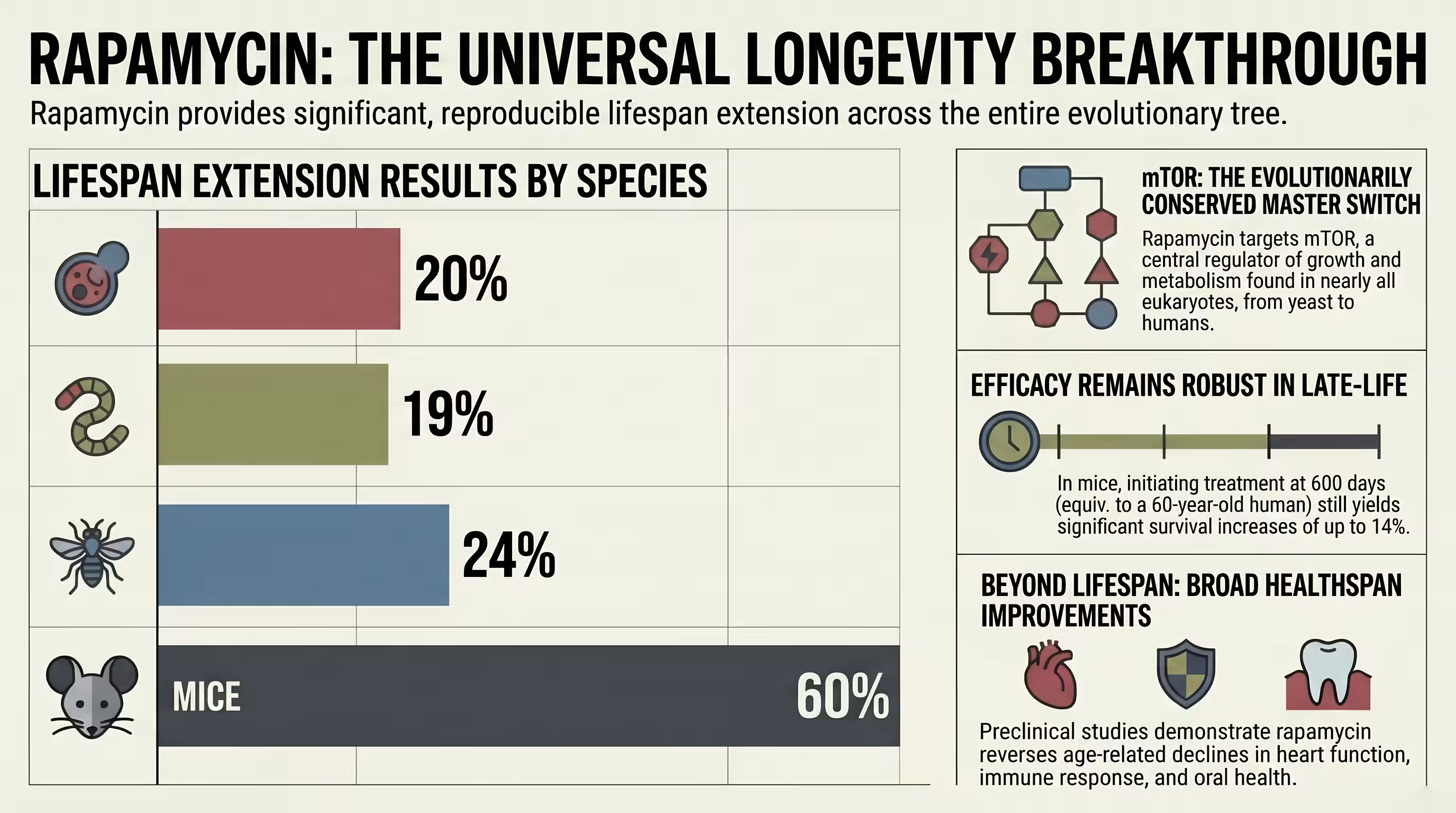
This discovery was a paradigm shift because it proved that the biological aging process remains modifiable late in life. Before this study, the scientific dogma suggested that life-extending interventions had to begin in adolescence to be effective. The ITP study, replicated across three independent sites, showed lifespan increases of 9% in males and 14% in females, even when treatment began at the mouse equivalent of a 60-year-old human. Because mTOR is evolutionarily conserved, researchers hypothesize these benefits may translate to human healthspan [3] [4] [5].
Where Do Researchers Disagree on Rapamycin?
The core of the rapamycin debate focuses on whether the known metabolic risks and “blunting” effects on exercise outweigh the theoretical longevity gains in otherwise healthy, normative-aging adults [1] [6].
While experts like Dr. Matt Kaeberlein view rapamycin as the “gold standard” for slowing biological aging, others like Dr. Brad Stanfield urge caution following recent trials suggesting rapamycin may interfere with exercise adaptations. There is also significant disagreement regarding the “healthy cohort bias” in trials—whether the healthiest individuals see any benefit or if the drug primarily helps those with high baseline levels of chronic inflammation [3] [7] [8].
How Does Rapamycin Work?
How Does mTOR Pathway Inhibition Affect Aging?
The Mechanistic Target of Rapamycin (mTOR) is a master nutrient sensor that regulates the fundamental “build vs. maintain” decision in every eukaryotic cell [2] [9].
When nutrients are abundant, mTOR complex 1 (mTORC1) triggers anabolism, leading to cell growth and reproduction [7]. Rapamycin acts as an allosteric inhibitor, binding to the FKBP12 protein to disrupt the mTORC1 complex [10]. This specific inhibition tricks the cell into a “maintenance mode” similar to a state of caloric restriction or fasting [7]. By tamping down mTORC1, rapamycin reduces proteotoxic stress and shifts cellular energy toward repair rather than continued growth [2] [11].
How Do Autophagy and Cellular Repair Fit In?
Autophagy is the cell’s internal recycling system that degrades damaged proteins and organelles; this process is activated only when mTORC1 signaling is suppressed [12].
Leading researchers believe the “cleanup” provided by autophagy is a primary driver of healthspan extension. As we age, muscles and other tissues often suffer from mTOR hyperactivation, which prevents this essential cellular clearance. This leads to the accumulation of “cellular junk” that impairs organ function [8]. Rapamycin-induced autophagy helps restore cellular homeostasis, which has been shown in rodents to reverse functional declines in the heart, immune system, and oral cavity [3] [13].
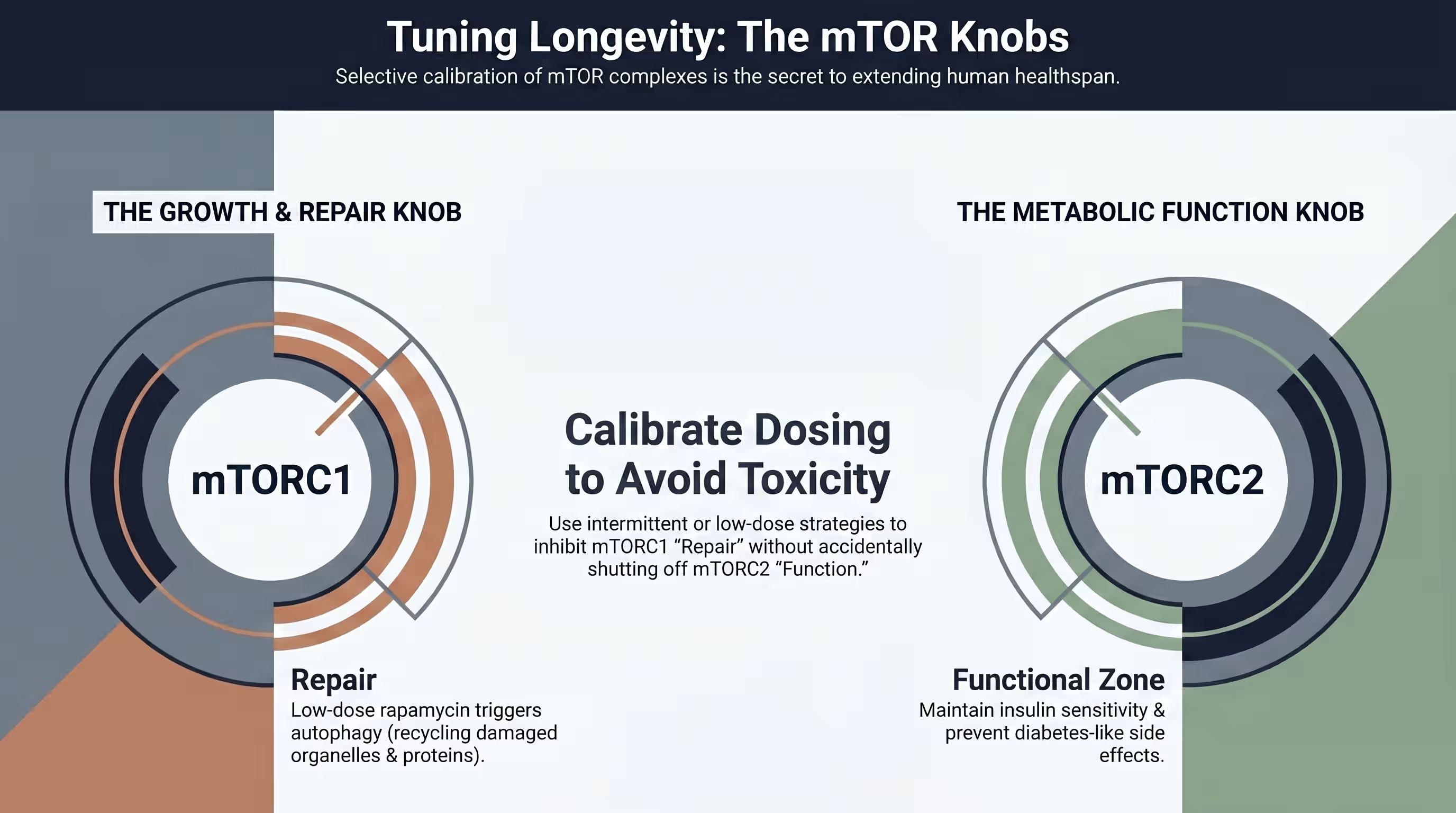
What Is the Tradeoff Between mTORC1 and mTORC2?
While inhibiting mTORC1 is generally seen as geroprotective, chronic rapamycin use can lead to the off-target inhibition of mTORC2, which is linked to insulin resistance and impaired glucose metabolism [14] [15].
Researchers use a “knob” analogy: rapamycin turns down the mTORC1 knob immediately, but if the dose is too high or too frequent, it also starts turning down the mTORC2 knob. Genetic depletion of mTORC2 has been shown to shorten male lifespan and negatively affect metabolic health in mice. This trade-off is the primary reason why intermittent dosing has become the preferred protocol for longevity, as it allows mTORC2 to remain functional while still providing periods of deep mTORC1 inhibition [14] [16].
| Feature | mTORC1 | mTORC2 |
|---|---|---|
| Primary Function | Nutrient sensing, Growth, Anabolism [2] | Cell survival, Insulin signaling, Cytoskeleton [10] [13] |
| Rapamycin Sensitivity | Highly sensitive (Acute inhibition) [17] | Less sensitive (Chronic inhibition only) [14] [17] |
| Longevity Impact | Inhibition extends lifespan [13] | Inhibition is often detrimental/toxic [13] [14] |
| Side Effects (if blocked) | Blunted muscle growth/wound healing [1] [18] | Insulin resistance, hyperglycemia [14] [15] |
What Does the Evidence Show?
What Have Animal Studies Revealed on Rapamycin?
Rapamycin has extended lifespan in every laboratory model tested to date, including yeast, worms, fruit flies, and heterogeneous mice [3] [4].
In mice, the effect sizes are consistently larger than any other pharmacological agent, with some studies showing lifespan increases of up to 60%. Beyond simple survival, rapamycin has demonstrated the ability to delay or reverse age-related hearing loss, retinopathy, and periodontal disease in rodents [3] [19] [20]. These robust findings provided the scientific justification for moving research into complex companion animals like dogs [9] [21].
What Do Human Rapamycin Trials Actually Show?
Human clinical evidence is still in its infancy, though small trials have shown promise in immune rejuvenation and skin aging [2] [11].
The milestone study by Dr. Joan Mannick showed that low-dose rapalogs could boost the immune response to flu vaccines in elderly adults by 20%. More recently, the PEARL trial (the longest human rapamycin trial to date) found that 5-10mg weekly was relatively safe over 48 weeks and associated with significant improvements in lean muscle mass and self-reported pain in women. However, the PEARL trial did not show significant changes in visceral adiposity, its primary endpoint [22] [23].
Which Biomarkers and Endpoints Matter Most?
Researchers currently lack a definitive “aging biomarker” for rapamycin, forcing them to rely on functional measures like grip strength, visceral fat (via DXA), and inflammatory cytokines [3] [23].
Dr. Matt Kaeberlein emphasizes functional measures over epigenetic clocks, noting that how a person feels and functions is more clinically relevant than a “spit test” result [3] [7]. Ongoing trials are now using high-resolution endpoints like:
- Visceral Adipose Tissue (VAT): Measured via DXA to track metabolic health [14] [23].
- Pulse Wave Velocity: To assess arterial stiffness [18].
- 30-Second Chair Stand: To evaluate muscle power and frailty [8].
- Immune Phenotyping: Tracking T-cell exhaustion and SASP factors [14] [18].
What Do Leading Researchers Think?
What Is Matt Kaeberlein’s View on Rapamycin and Healthspan?
Dr. Kaeberlein remains the drug’s most prominent advocate, viewing it as the “gold standard” pharmacological intervention for modulating biological aging [7] [9].
His focus has shifted toward functional rejuvenation, particularly in the oral cavity and heart [3] [7]. While he acknowledges the drug isn’t ready for widespread clinical use, he disagrees with “blanket positions” against off-label use, citing clinical experience that suggests benefits for chronic inflammation [1] [7]. He maintains that even starting rapamycin in middle age can provide most of the longevity benefits seen in animal models [3] [9].
How Does Joan Mannick Frame mTOR Inhibition in Humans?
Dr. Mannick is the leading authority on the human clinical application of mTOR inhibitors, specifically for enhancing the aging immune system [2] [16].
Her research suggests that “partial” inhibition of mTORC1 is the key to improving antiviral immunity without inducing immunosuppression [11] [18]. While her Phase 3 trial for respiratory infections (using the rapalog RTB101) failed to meet FDA endpoints, the program demonstrated that targeting aging biology in humans is safe and can modulate immune responses. She urges caution regarding dosing, noting we still don’t know the “sweet spot” where benefits clearly outweigh risks [2] [16].
What Does David Sinclair Say About Longevity Interventions?
Dr. Sinclair views mTOR inhibition as one of the central pillars of aging biology, but often focuses on it as a component of the broader “Hallmarks of Aging” framework [11] [18].
He identifies rapamycin as a “dietary restriction mimetic” that works alongside other interventions like NAD+ precursors and sirtuin activators. While he acknowledges rapamycin’s potency, his work emphasizes the role of epigenetic reprogramming and the “information theory of aging,” where mTOR is just one signaling pathway involved in maintaining the cellular “state” [7] [11] [18].
How Does Brad Stanfield Approach Practical Longevity Protocols?
Dr. Stanfield has adopted a more cautionary stance, highlighting that rapamycin may blunt the very exercise responses that are the “first line” for preserving function in seniors [1] [24].
His recent 13-week trial showed that 6mg weekly of rapamycin attenuated muscle power gains in older adults starting an exercise program. He maintains there is a “real biological tension” between mTORC1’s role in building muscle and rapamycin’s role in suppressing it. Until longer-term data (12+ months) is available, he recommends against off-label use for the general population [1] [8] [24].
How Does Peter Attia Frame the Risk-Benefit Question?
Dr. Attia frames the rapamycin debate through the lens of risk-reward, noting that the appetite for risk must be personalized to each patient. [11]
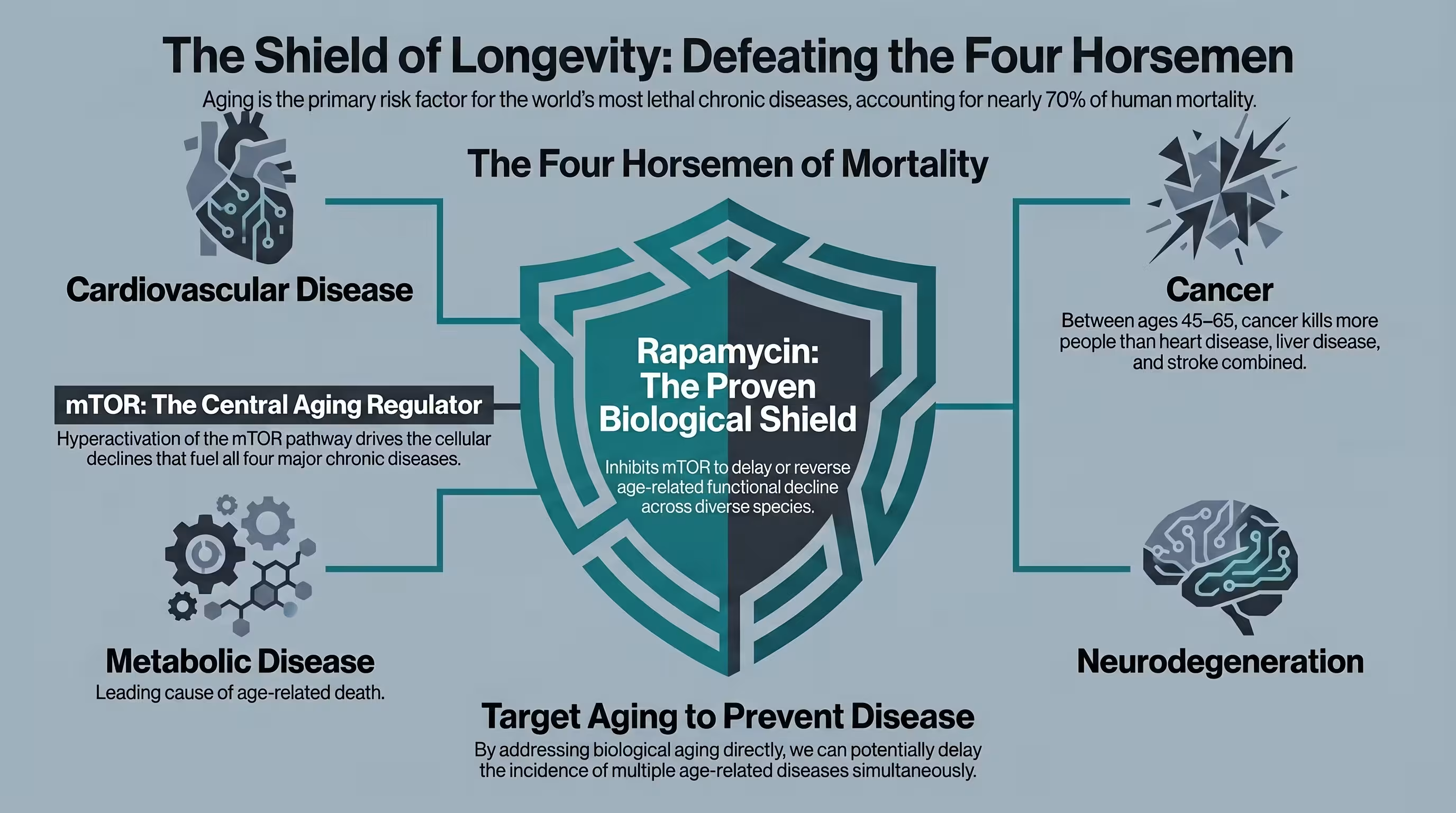
He is convinced by the animal data but hesitates to prescribe rapamycin widely due to the lack of clear human biomarkers and demonstrated benefits in our species. He identifies “Four Horsemen” of chronic disease—cardiovascular disease, cancer, neurodegeneration, and metabolic disease—and evaluates rapamycin based on its potential to delay all four simultaneously. He personally takes rapamycin but notes he is “experimenting on himself” and cycles the drug to monitor for side effects like mouth sores [9] [11] [25].
What Comes Next in Research?
What Will Large Human Trials Need to Answer?
The next phase of geroscience involves massive trials like TAME (Targeting Aging with Metformin) and ongoing dog studies to provide the definitive “readout” on geroprotectors [9] [11].
The TAME trial, if funded ($78 million), would involve 3,000 individuals and could potentially establish “aging” as an FDA-treatable indication. Similarly, the TRIAD study (Test of Rapamycin in Aging Dogs) is currently enrolling 580 companion dogs to measure lifespan as a primary endpoint. Dr. Sabatini and Dr. Attia both state they will significantly “tighten their grip” on the rapamycin conviction once the dog study data reads out around 2026 [11] [21] [26].
What Questions Remain About Dosing and Safety?
Unanswered questions include whether rapamycin should be “cycled” (e.g., 3 months on, 3 months off) and whether there are sex-specific dosing requirements for humans [3] [7] [11].
Rodent data suggests that a 4-to-8-week period of robust inhibition followed by a washout period may be necessary to functionally rejuvenate stem cells [8]. However, human trials have not yet tested these “pulsing” protocols systematically [14]. Furthermore, the proteome of women appears more stable than that of men during aging, suggesting females may require different biomarkers or dosing levels [11].
Who Might Benefit Most From Rapamycin?
Current expert intuition suggests that rapamycin’s biggest “winners” are those with high levels of age-related sterile inflammation or a genetic risk for neurodegeneration [7].
Because rapamycin is a potent anti-inflammatory, individuals suffering from chronic pain, tendonitis, or early-stage autoimmune disorders often see the most dramatic improvements in quality of life. Additionally, carriers of the APOE4 allele (a major risk for Alzheimer’s) may find rapamycin particularly useful for cognitive preservation, as hyperactivated mTOR is a hallmark of the disease [3] [7] [10].
Conclusion
Rapamycin remains the most promising small molecule in the longevity toolkit, but the field has moved beyond the “hype” phase into a nuanced debate over functional optimization. While animal data proves it can slow the clock, human evidence suggests we must strike a delicate balance between the cellular repair of autophagy and the anabolic growth required for muscle health. For those considering this path, the current expert consensus emphasizes safety through intermittent dosing, routine blood monitoring, and prioritizing the foundational “big levers” of diet and exercise while waiting for the definitive clinical data of 2026.
Leading researchers like Dr. Matt Kaeberlein and Dr. Brad Stanfield generally advise against it for those in a growth stage (under 40), as rapamycin is anti-proliferative and could blunt natural development.
There is a high risk of interference. Recent studies show rapamycin can blunt the “anabolic response” to resistance training in older adults. Spacing the dose at least 24-48 hours away from exercise is a common but unproven strategy.
In high, daily doses (transplants), it can cause glucose intolerance. However, intermittent “longevity dosing” has not shown this same high risk in healthy cohorts, though it can slightly raise HBA1C.
While there is no “official” dose, 6mg once per week is the most common regimen seen in the off-label community.
Currently, there are no validated biomarkers for aging. Most experts look for “Deltas” in functional measures: reduced joint pain, improved heart function (via echo), or lower markers of systemic inflammation like CRP.
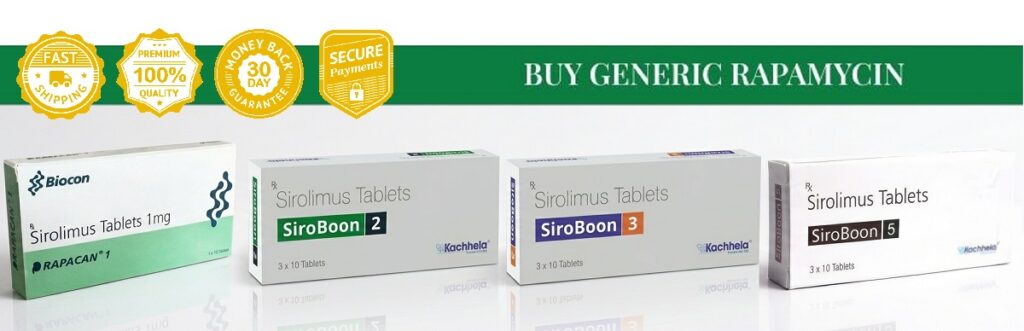
Research indicates compounded versions often have very low bioavailability (1/3 of commercial) because they lack the necessary enteric coating to survive stomach acid. Generic Sirolimus is the preferred source.
For longevity use, RapaShop offers legitimate rapamycin capsules with superior bioavailability—commercial tablets consistently outperform compounded versions in potency. While telemedicine provides access and guidance, it often sacrifices consistency. RapaShop delivers the pure, predictable option without a prescription, at a faction of the price.
Resource links
Rapamycin Might Blunt Exercise Response in Humans
"Can this ‘anti-aging’ drug live up to the hype? Here’s what we know.
Matt Kaeberlein on Rapamycin Longevity Series | Lessons learned from 2 decades of Rapamycin research
Rapamycin fed late in life extends lifespan in genetically heterogeneous mice
Targeting ageing with rapamycin and its derivatives in humans: a systematic review
RAPAMYCIN, mTOR & LONGEVITY: WHAT SCIENCE REALLY SHOWS | 091 MATT KAEBERLEIN, PhD
We Spent $724,637 Testing Rapamycin. What We Found Shocked Us.
272 ‒ Rapamycin: potential longevity benefits, surge in popularity, unanswered questions, and more
mTOR as a central regulator of lifespan and aging
#123–Joan Mannick & Nir Barzilai: Rapamycin and metformin—longevity, immune enhancement, & COVID-19
The Molecule Most Likely To Extend Lifespan
The mTOR signaling pathway in cardiac aging
Blazing a trail for the clinical use of rapamycin as a geroprotecTOR
Rapamycin-induced insulin resistance is mediated by mTORC2 loss and uncoupled from longevity
mTOR Signaling in Growth, Metabolism, and Disease
Human trials exploring anti-aging medicines
Evaluation of off-label rapamycin use to promote healthspan in 333 adults
mTOR inhibition improves immune function in the elderly
Influence of rapamycin on safety and healthspan metrics after one year: PEARL trial results