
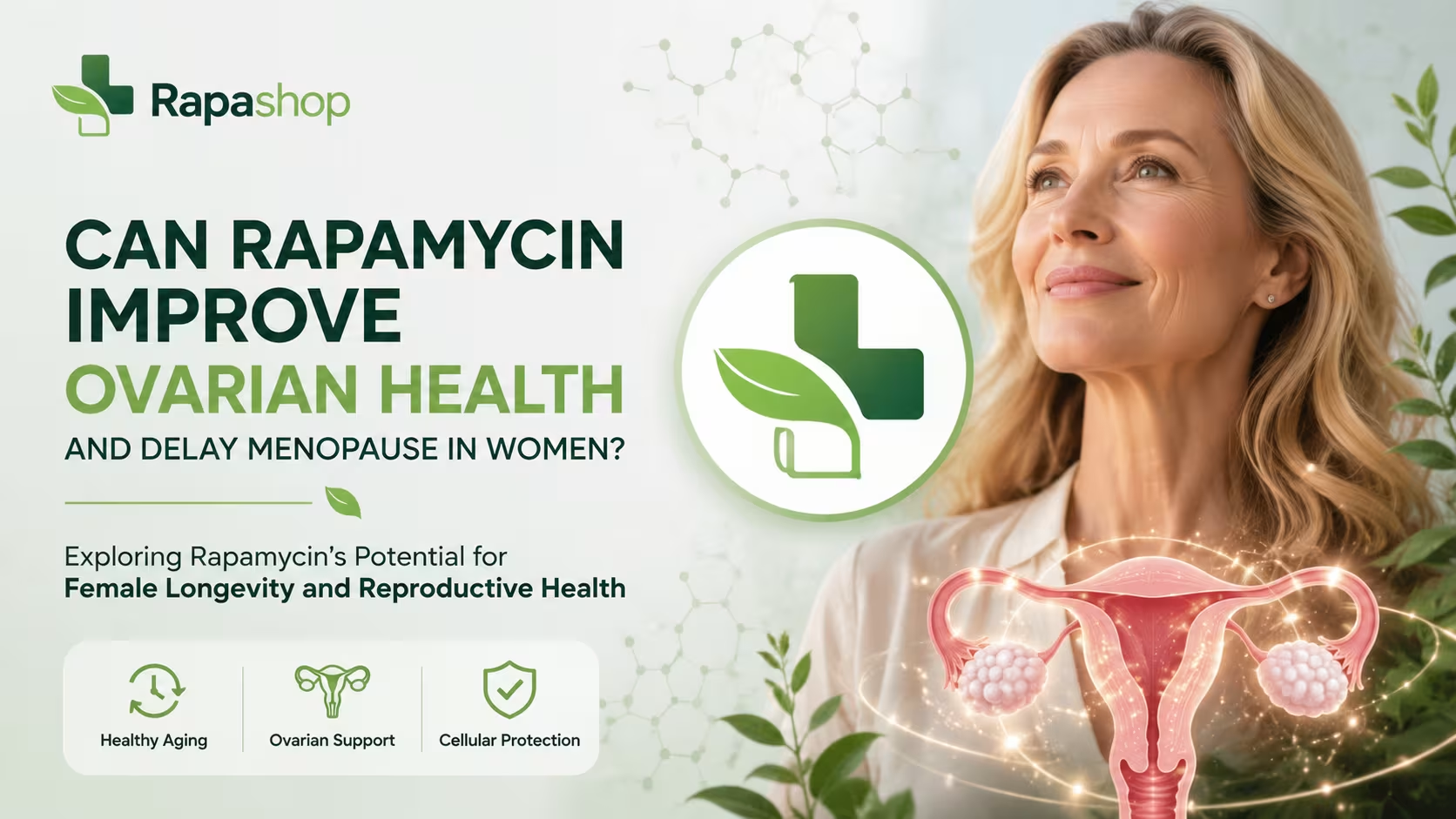
Can Rapamycin Improve Ovarian Health and Delay Menopause in Women?
The ticking of the biological clock has long been considered an immutable countdown for women, with the ovary serving as the first organ in the body to age [1]. However, a groundbreaking shift in longevity science is underway, centered on a specific molecule called rapamycin that may fundamentally change how we view reproductive aging. By targeting the mTOR signaling pathway, researchers are discovering ways to preserve the ovarian reserve, improve egg quality, and potentially extend a woman’s healthspan by decades [1] [2]. This deep dive into rapamycin women’s health protocols reveals how a drug once reserved for transplant patients is now at the forefront of the battle against ovarian aging and early menopause [3] [4].
How Does the mTOR Pathway Influence Ovarian Aging and the Follicle Pool?
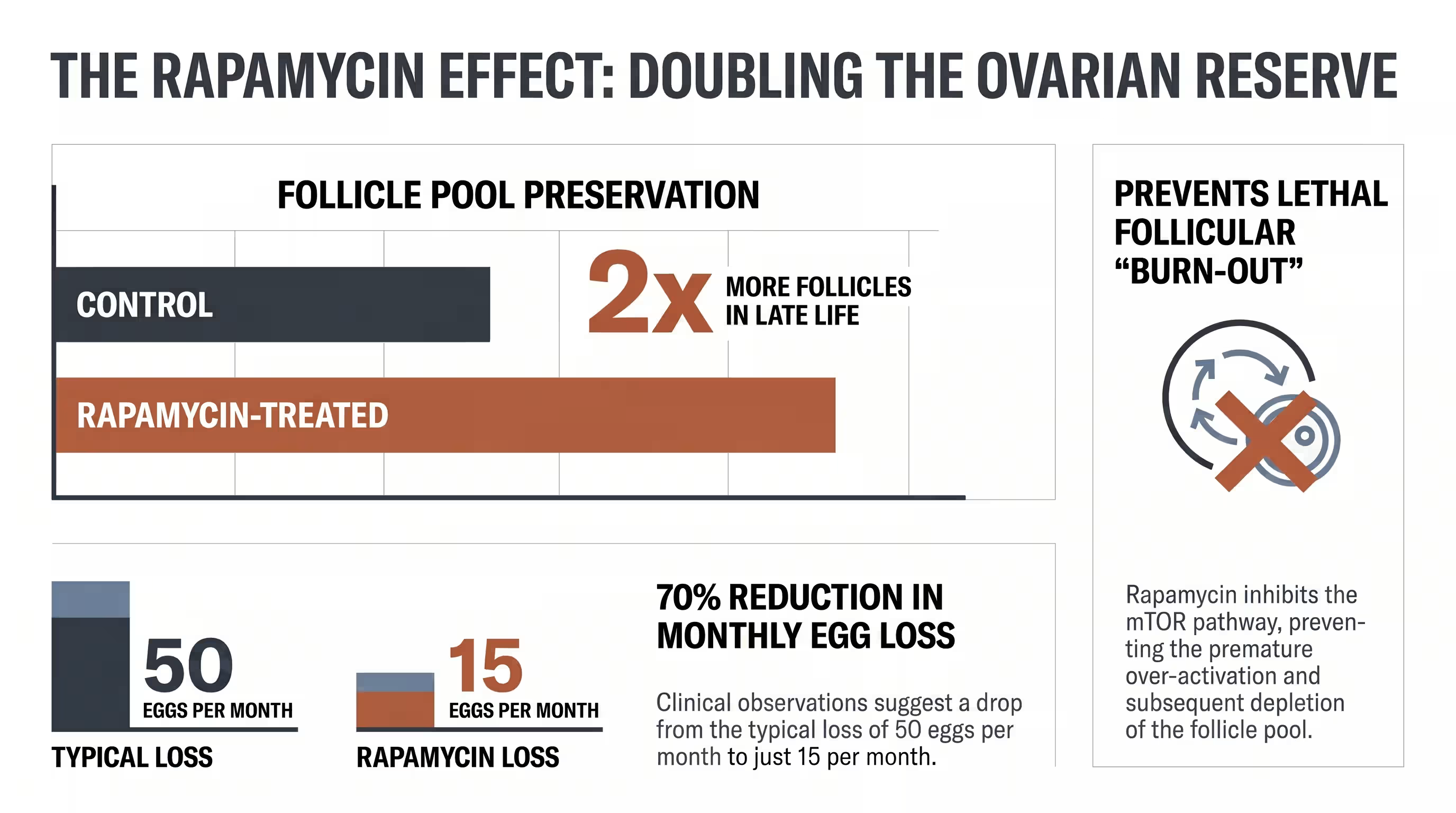
The mechanistic target of rapamycin (mTOR) pathway acts as a central metabolic “accelerator” that controls the activation of dormant follicles in the ovary [5] [6]. While necessary for growth, chronic over-activation of this pathway leads to “follicular burnout,” a process where the fixed pool of primordial follicles is prematurely exhausted [7] [8]. Rapamycin acts as a brake, slowing down this recruitment to preserve the overall ovarian reserve [8].
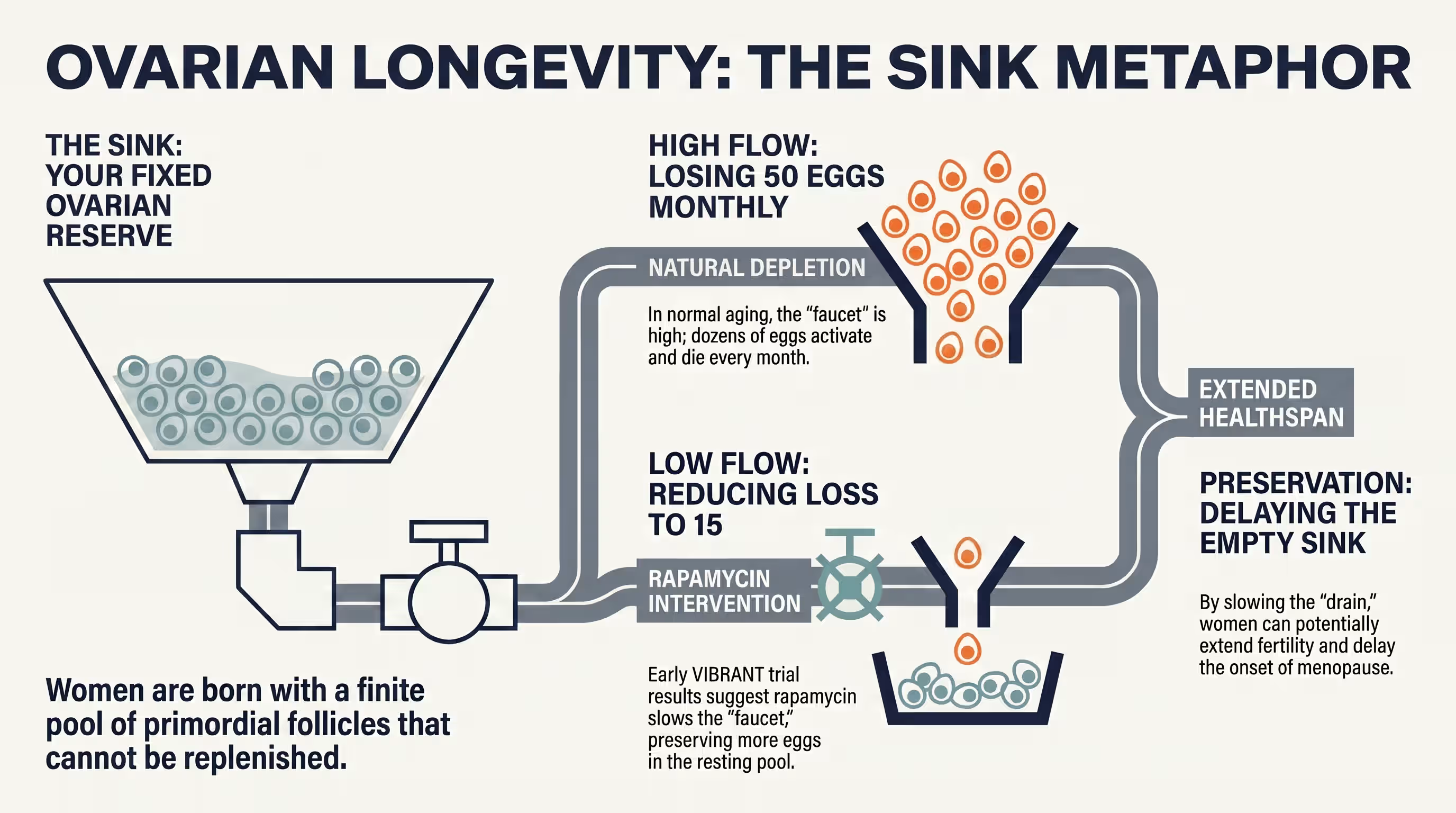
Every woman is born with a finite number of primordial follicles, which represent her total reproductive potential. Under physiological conditions, the vast majority of these follicles must remain in a quiescent or “sleeping” state for decades [5] [6]. However, as women age—or due to environmental and genetic triggers—the mTOR signaling pathway becomes hyperactive [1]. This hyperactivity acts like a leak in a sink, causing dozens of eggs to be “drained” or activated every month, even though only one typically reaches full maturation during ovulation [3].
Recent multi-omics analyses have identified mTOR signaling as a prominent, ovary-specific aging pathway [1]. Research shows that when the negative regulators of this pathway, such as the TSC1/TSC2 protein complex, are deleted or compromised, the entire pool of primordial follicles can activate simultaneously, leading to premature ovarian failure (POF) [6] [9]. By utilizing mTOR inhibitors, scientists can pharmacologically suppress this activation, thereby maintaining the follicle pool in a resting state and extending the reproductive lifespan [5] [6].
Does Rapamycin Preserve the Ovarian Reserve and Prevent Premature Ovarian Failure?
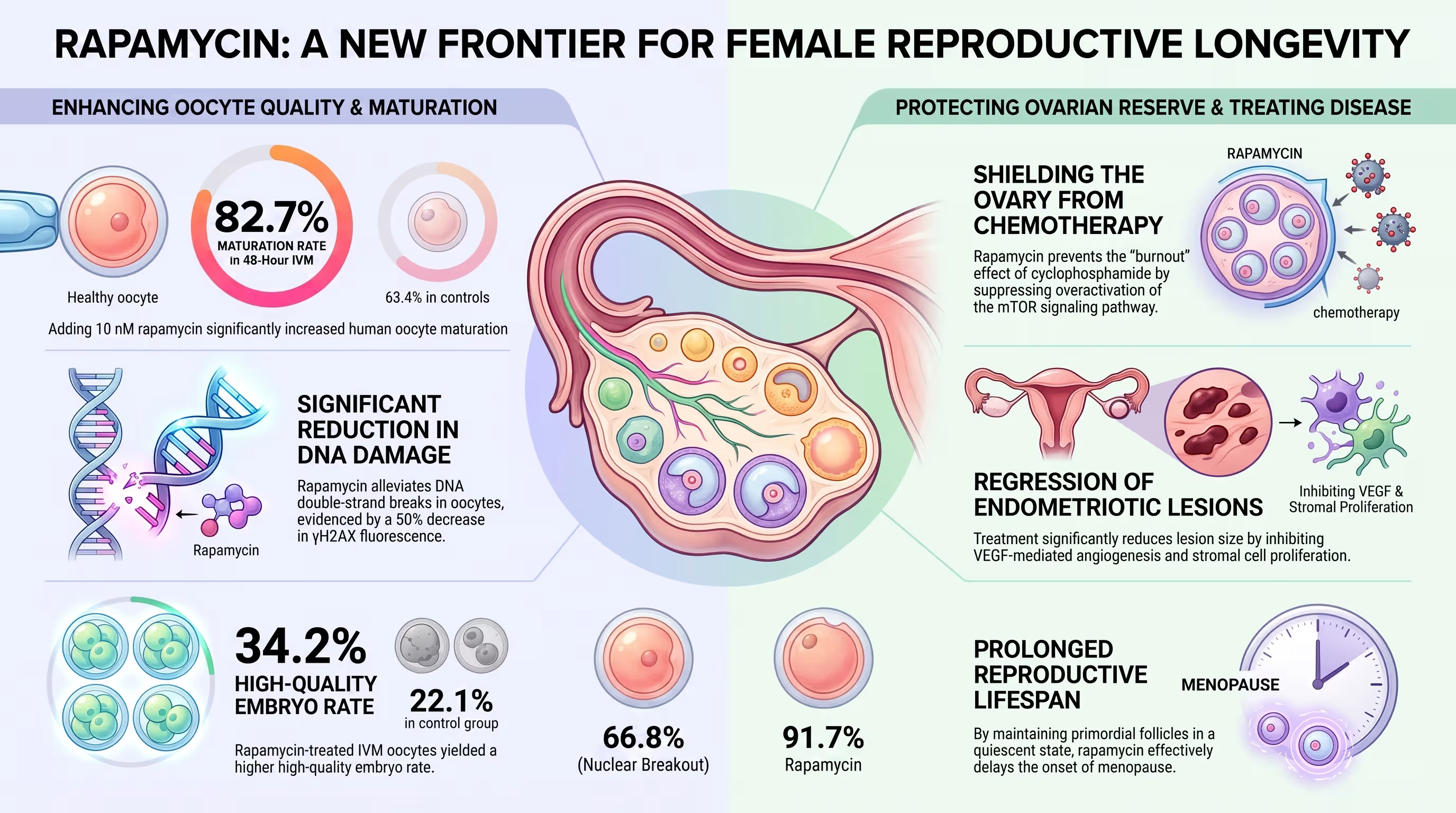
Preclinical models and early clinical observations confirm that rapamycin effectively preserves the ovarian reserve by inhibiting the excessive recruitment of primordial follicles [5] [7]. It provides a protective “shield” against premature ovarian failure (POI/POF) and iatrogenic damage, such as the catastrophic follicle loss typically induced by gonadotoxic chemotherapy treatments like cyclophosphamide [5] [9].
The loss of the ovarian reserve is a continuous process that accelerates significantly after age 37, eventually culminating in menopause when fewer than 1,000 follicles remain [1] [10]. Rapamycin diminished ovarian reserve (DOR) interventions focus on slowing this depletion rate [11] [12]. In mouse models, co-administration of rapamycin during chemotherapy treatment significantly reduced the loss of primordial follicles and prevented the “burnout” wave usually caused by toxic drugs [5] [9].
Furthermore, research into rapamycin premature ovarian failure (POI/POF) has identified a critical link between the FMR1 gene and mTOR signaling. Women who are carriers of the FMR1 premutation are at a much higher risk for POI. Studies indicate that these patients exhibit remarkable activation of the AKT/mTOR pathway in their peripheral blood, suggesting that rapamycin could be a pathognomonic treatment to prevent their early ovarian exhaustion [11] [13]. This opens a new nonsurgical avenue for fertility preservation in women with high-risk genetic profiles [9].
Can Rapamycin Improve Egg Quality and IVF Success Rates?
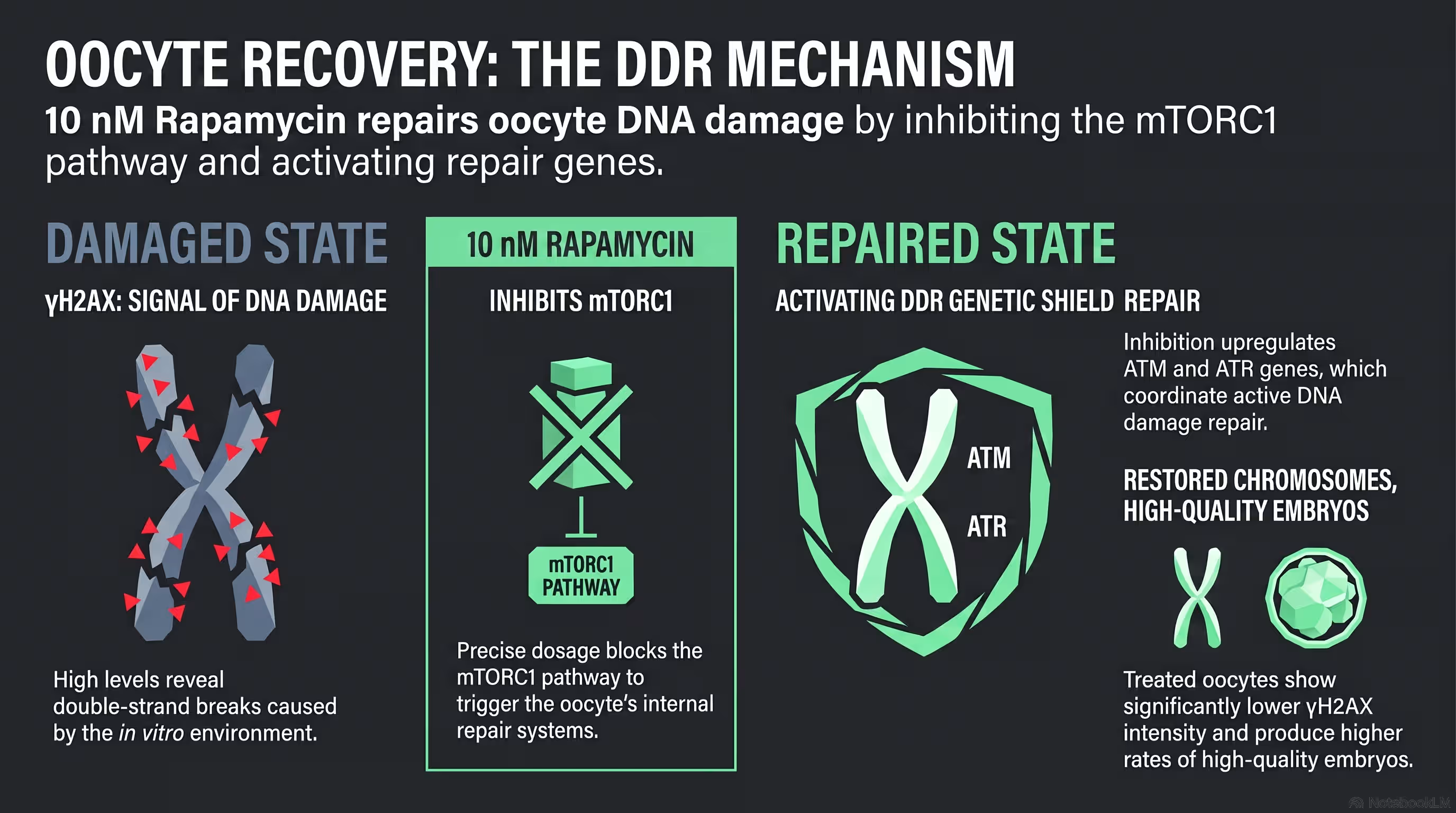
Rapamycin at low concentrations (10 nM) has been shown to markedly improve the developmental competence and quality of in vitro matured (IVM) oocytes. It achieves this by reducing oxidative stress (ROS) and enhancing DNA damage repair (DDR), specifically decreasing γH2AX levels in eggs, which leads to higher rates of high-quality embryos during in vitro fertilization (IVF) [14] [15] [16].
A primary challenge in rapamycin egg quality (oocyte quality) research is the accumulation of DNA double-strand breaks that occur as oocytes age. This damage often leads to chromosomal disarrangement, aneuploidy, and failure of the embryo to implant. During the IVM process, where immature eggs are matured outside the body, these stressors are amplified [10] [14] [16].
Studies on both mice and human oocytes demonstrate that 10 nM rapamycin treatment during maturation results in:
- Significantly reduced ROS production and increased antioxidant gene expression (e.g., Nrf2) [16] [17].
- Improved chromosome alignment, which reduces the risk of aneuploidy [14] [16].
- Enhanced mitochondrial membrane potential (MMP), providing the necessary energy for early embryonic development [15] [16] [17].
For women over age 35, who often suffer from low oocyte yield and poor quality during ART, rapamycin treatment could significantly close the efficiency gap [15]. In clinical trials involving endometriosis-related infertility, women treated with rapamycin before their second IVF cycle retrieved more oocytes and achieved higher clinical pregnancy and live birth rates [4] [18].
Can Rapamycin Safely Delay the Onset of Menopause?
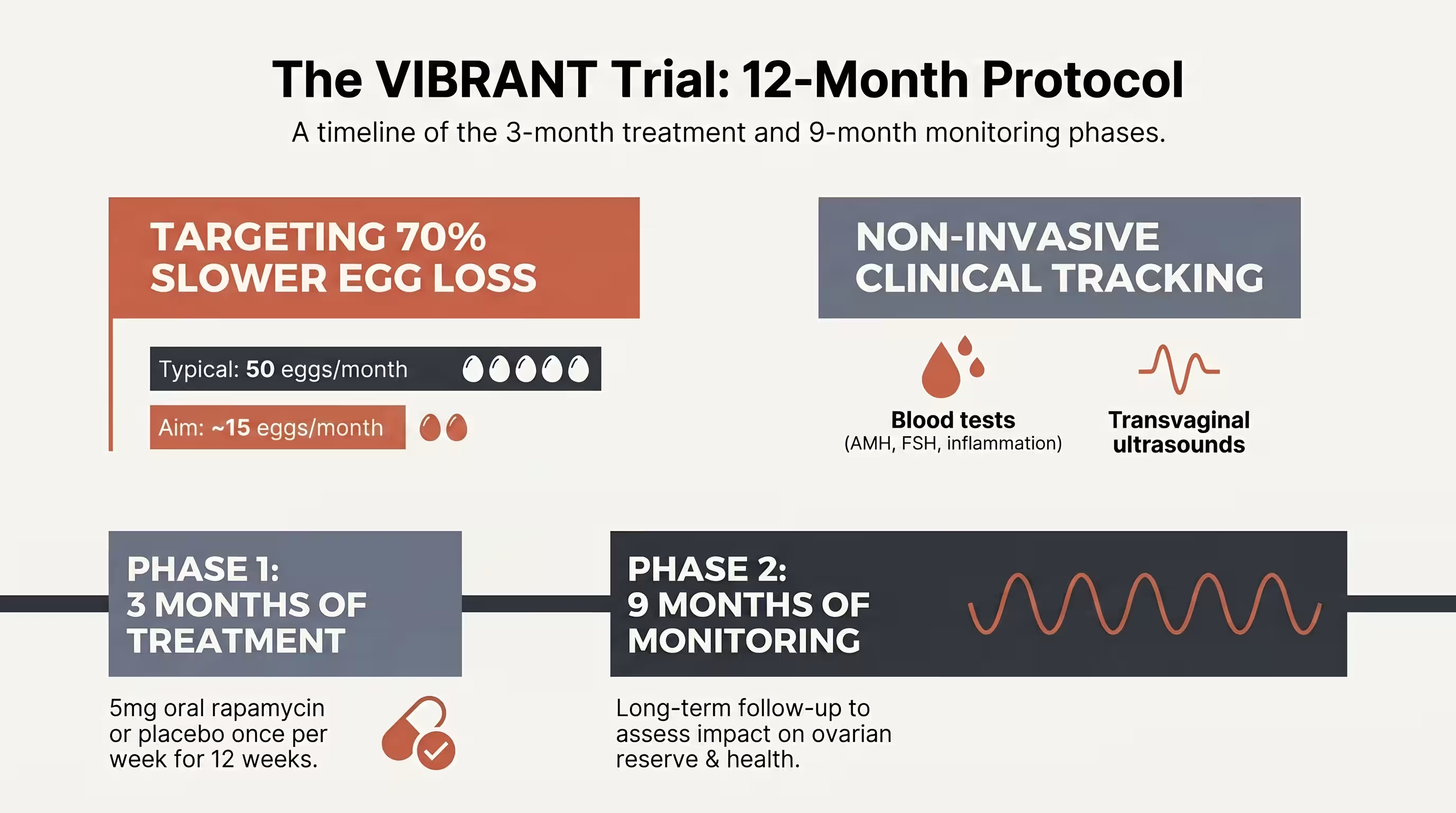
Delaying menopause via rapamycin is a viable scientific goal based on its ability to reduce the monthly “burn rate” of eggs. By lowering the number of follicles activated each cycle from approximately 50 down to 15, rapamycin could theoretically extend a woman’s hormonal health and delay the systemic risks of osteoporosis, dementia, and cardiovascular disease [2] [3].
The end of the ovarian lifespan, or menopause, typically occurs around age 50 and is characterized by the near-total depletion of follicles [6] [10]. This loss of function is not just a reproductive issue; it is a systemic longevity crisis for women. Ovarian hormones are crucial for maintaining cognitive function, bone density, and metabolic health. Surgical or premature menopause is linked to increased risks of stroke, Alzheimer’s, and all-cause mortality [2] [3] [19]
Using a “sink and drain” metaphor, researchers explain that can rapamycin delay menopause by essentially turning down the faucet of egg loss. Preclinical data show that even short-term, transient treatment with rapamycin can increase the ovarian lifespan in middle-aged mice, allowing them to remain fertile and healthy much longer than untreated controls. This suggests that a woman could potentially start a rapamycin protocol later in life, during her childbearing years or perimenopause, to defer the negative effects of the menopausal transition [3] [10].
What Is the VIBRANT Trial Revealing About Rapamycin and Ovarian Aging?
The VIBRANT trial rapamycin menopause study (Validating Benefits of Rapamycin for Reproductive Aging Treatment) is a pioneering human pilot study evaluating a 5-mg weekly dose of rapamycin in 50 healthy women. Early data suggest that this low-dose protocol may decrease the rate of ovarian aging by 20% while remaining well-tolerated by participants [2] [3].
Led by Dr. Yousin Suh and Dr. Zev Williams at Columbia University, the VIBRANT trial is the first of its kind to measure ovarian aging as a proxy for systemic longevity. Participants receive either rapamycin or a placebo for three months, followed by a nine-month monitoring period [2] [3] [19].
The VIBRANT trial focuses on several key metrics:
| Metric | Purpose |
|---|---|
| AMH Levels | Tracking the remaining follicle pool [3] [12] |
| Transvaginal Ultrasound | Visualizing the antral follicle count (AFC) [3] [11] |
| Estradiol & FSH | Monitoring the hormonal feedback loop [3] [12] |
| Klotho Levels | Assessing systemic longevity markers [3] |
Preliminary results are highly encouraging, with participants reporting improvements in memory, overall health, and the quality of their hair and nails. Because the ovaries age faster than any other organ, they provide an ideal “laboratory” to measure the effectiveness of anti-aging drugs like rapamycin in a matter of months rather than decades [2] [3].
Will Rapamycin Help Women Diagnosed With Diminished Ovarian Reserve (DOR)?
Rapamycin offers a new therapeutic strategy for women with diminished ovarian reserve (DOR) by addressing the spectrum of advanced ovarian aging [11] [12] [18]. By reducing the expression of senescence markers (like p16 and p21) and preserving the remaining follicle count, rapamycin may help “buy time” for women facing early infertility or imminent menopause [4] [12] [18].
DOR is often considered an intermediate step toward real premature ovarian insufficiency. It is diagnosed when markers like AMH drop below 0.5–1.1 ng/mL or the antral follicle count falls below 5–7 [11] [12]. For these women, standard hormone therapies often fail because they do not protect the primordial follicles [4].
Rapamycin provides a biological advantage by targeting the mTOR inhibitors ovarian reserve preservation mechanism [5] [10]. Research in patients with endometriosis-related DOR showed that rapamycin not only reduced markers of aging in the follicular fluid but also significantly improved the response to ovarian stimulation during IVF [4] [18]. This “ovarian rejuvenation” potential could be a lifeline for women diagnosed with low reserve who still hope for biological children [4] [12].
What Are the Hormonal and Systemic Effects of Rapamycin on Women?
Rapamycin menstrual cycle changes are typically mild and reversible, often manifesting as an extended diestrous or resting phase during active treatment [4] [6] [10]. Systemically, low-dose rapamycin has been shown to improve immune function, cognitive clarity, and tissue health, though higher doses can lead to metabolic shifts like hyperlipidemia or skin issues [2] [4] [19].
The systemic impact of rapamycin on the female body is highly dose-dependent. While high-dose pharmacological use (for transplants or cancer) has a reputation for side effects, low-dose “longevity” protocols (3–8 mg weekly) tell a different story [3] [4] [19].
Systemic Benefits Reported in Low-Dose Protocols:
- Cognitive Clarity: Improvements in memory and brain function [2] [19].
- Enhanced Immunity: Some studies suggest low-dose rapamycin actually improves immune response in older adults [4] [19].
- Tissue Repair: Participants in the VIBRANT trial noted better health in skin-appendage tissues like hair and nails [2].
However, because rapamycin interacts with nutrient-sensing pathways, it can temporarily alter the hormonal landscape [1]. In animal studies, treated females were sometimes unable to become pregnant during the treatment phase because their ovaries were held in a state of quiescence, with insufficient antral follicles to produce required progesterone levels. This effect is fully reversible, with fertility rebounding—often stronger than before—once the drug is discontinued [6] [10].
How Does Rapamycin Impact Menstrual Cycles, AMH, and Estrogen Levels?
Rapamycin can cause temporary, reversible irregular cycles by suppressing the transition of primordial follicles into primary and secondary stages [6] [10]. Over the long term, however, it stabilizes AMH levels by preventing “reserve burnout,” while estrogen levels generally remain within normal ranges except during peak-dose suppression [9] [10].
The impact on the menstrual cycle is a direct result of rapamycin’s primary function: slowing the “drain” of follicles [4] [6]. In rodent models, 44% of animals temporarily lost their regular estrous cycles within one week of daily high-dose injections. This was accompanied by a dramatic drop in progesterone but not necessarily estrogen [10].
Long-term vs. Short-term Hormonal Shifts:
- During Treatment: Reduced ovulation and lower progesterone as the ovary “rests” [6] [10].
- Post-Treatment (2 months later): All cycles returned to normal fertility, with regular estrous patterns and restored hormonal peaks [10].
- Hormonal Preservation: Treated ovaries showed higher levels of follicle-growth-factor genes like Gdf9 and Bmp15 even at 16 months of age (late life for a mouse), proving the hormonal system remained more robust over time [10].
For humans, this means rapamycin shouldn’t be seen as a drug for immediate conception, but rather as a preservation tool to be used in cycles, much like “banking” one’s hormonal health for the future [2] [10].
Can Rapamycin Modulate the Immune System to Help Manage Endometriosis?
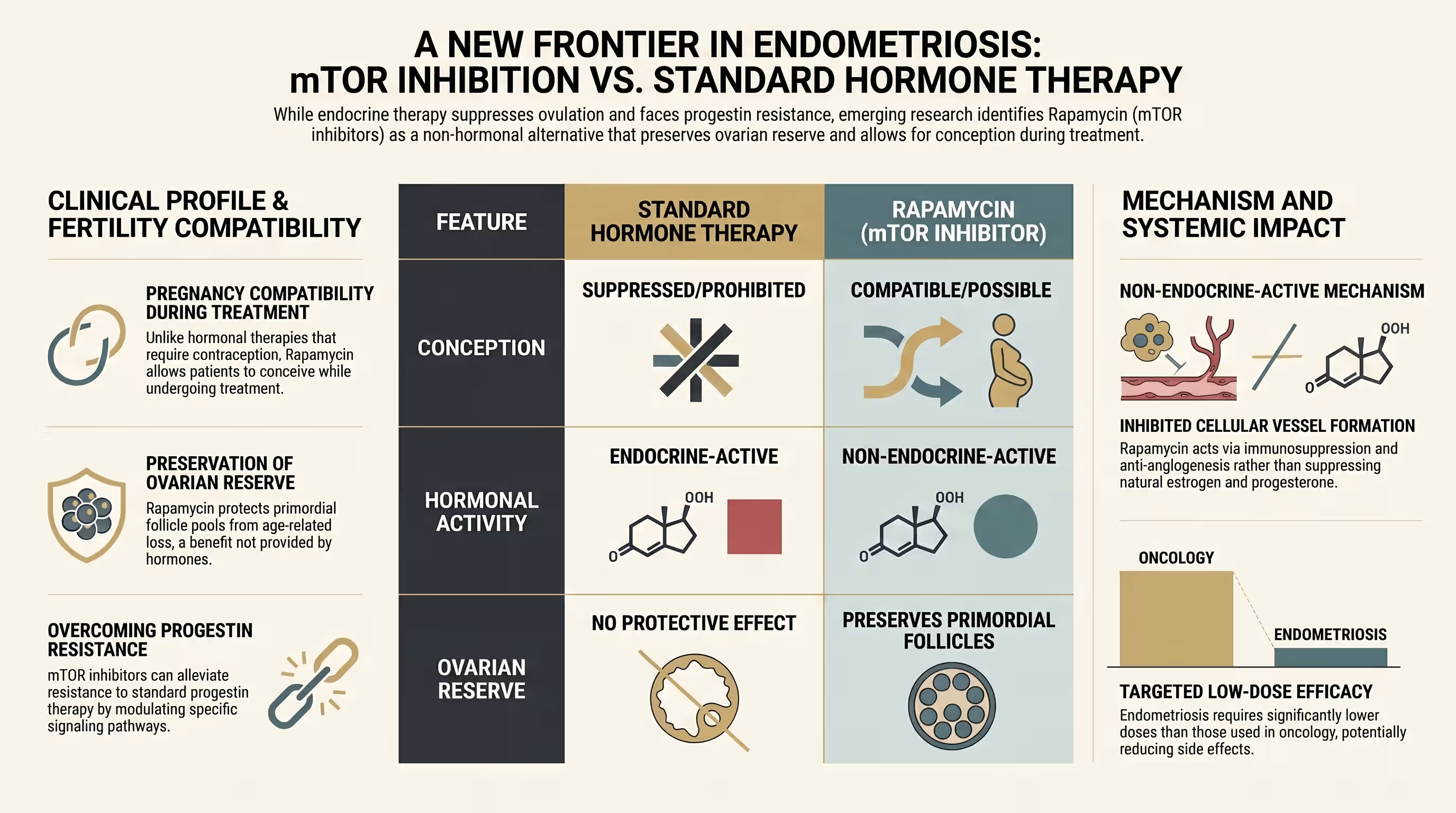
Rapamycin is a promising endometriosis treatment because it inhibits the growth of ectopic lesions by suppressing cell proliferation and VEGF-mediated angiogenesis [4] [20]. It also reduces local oxidative stress and ovarian senescence caused by the pro-inflammatory environment of the peritoneal fluid, potentially restoring fertility in women with severe cases [18].
Endometriosis affects 10–15% of women and is a leading cause of infertility, often due to high levels of reactive oxygen species (ROS) that “poison” the surrounding ovaries. These ROS induce a state of cellular senescence in granulosa cells, disrupting egg maturation and causing resistance to standard hormone therapies [4] [18].
How Rapamycin Counteracts Endometriosis:
- Lesion Regression: In vivo studies showed rapamycin reduced endometriotic lesion size by 52% in just 14 days by blocking the blood supply to the growths [20].
- PPARα Activation: Rapamycin activates the PPARα/IGFBP2 pathway, which was discovered to be severely downregulated in endometriosis-affected ovaries [18].
- Progesterone Resistance: By inhibiting mTOR, rapamycin may help sensitize the body to progesterone, overcoming a common hurdle in endometriosis management [4].
Unlike conventional hormonal treatments (like GnRH agonists) which induce temporary menopause and prevent pregnancy, rapamycin is theoretically compatible with a woman’s desire to eventually conceive, making it a “non-endocrine-active” therapeutic option [4].
What Are the Specific Side Effects and Safety Risks of Rapamycin for Women?
Specific risks for women include reversible cycle suppression, potential for oral ulcers (stomatitis), and dose-dependent skin changes [4] [6] [21]. While well-tolerated at low weekly doses (5 mg), higher pharmacological doses are linked to metabolic disturbances and a theoretical risk to early fetal development, requiring strict protocols for those of childbearing age [4] [15] [22].
Expert analysis of rapamycin’s safety profile highlights that most adverse events are dose-dependent. Preclinical data suggest that the dose required to treat benign gynecological conditions like endometriosis or ovarian aging may be significantly lower than that used for cancer or organ rejection [4].
Comparison of Adverse Event Risks:
| Side Effect | High-Dose Risk (Transplant/LAM) | Low-Dose Risk (Longevity/VIBRANT) |
|---|---|---|
| Oral Ulceration | 70% [21] | Very Low / Rare [3] |
| Acneiform Rash | 60% [21] | Minimal / None reported [2] |
| Amenorrhea | Common [22] | Temporary/Reversible [2] [10] |
| Wound Healing | Impaired (37%) [21] | Not observed [3] |
A key safety distinction for women is the drug’s potential effect on bone and metabolic health. While high-dose mTOR inhibitors can occasionally cause glucose intolerance, the delay of menopause provided by low-dose rapamycin actually protects against the rapid bone turnover and lipid abnormalities that occur after estrogen loss [2] [4] [11].
Does Rapamycin Cause Hair Loss in Women?
Low-dose rapamycin typically does not cause hair loss; in fact, participants in the VIBRANT trial reported improved hair and nail quality. While high-dose protocols in sick patients can cause a 10% decrease in hair density, this is a side effect of pharmacological “over-suppression” that is not seen in healthy women using low-dose longevity protocols [2] [21].
The concern over does rapamycin cause hair loss in women stems from its use in pulmonary lymphangioleiomyomatosis (LAM) and tuberous sclerosis complex (TSC). In these high-dose patient cohorts, 13% of women taking sirolimus (rapamycin) noted decreased hair density, and 9% noted increased waviness. This is likely due to mTOR’s role in promoting stem cell activation during hair regeneration; extreme inhibition can temporarily “stall” the growth cycle [21].
In contrast, the “anti-aging” dose (typically 5 mg once per week) seems to hit a sweet spot. Dr. Zev Williams noted that participants in reproductive aging trials often report their hair and nails growing faster and stronger, likely because the drug is reducing the systemic inflammatory load that contributes to age-related thinning [3] [19].
Is It Safe to Take Rapamycin While Actively Trying to Conceive or Pregnant?
Rapamycin is not considered safe during active pregnancy or while trying to conceive. Current best practices suggest discontinuing rapamycin at least 6 weeks—and ideally 3 months—before stopping contraception due to its potential genotoxic risks and its fundamental role in early embryo development and implantation [4] [16] [22].
The safety concerns during the peri-conception period are significant. mTOR is essential for the growth and proliferation of early mouse and human embryos. Inhibiting this pathway at the wrong time can prevent an embryo from successfully implanting or lead to developmental abnormalities [4] [16] [22].
Precautionary Guidelines:
- Contraception: Mandatory while on therapeutic doses of mTOR inhibitors [4] [22].
- Wash-out Period: At least 6 weeks of cessation before trying to conceive [22].
- Male Partners: Men are also advised to use contraception while on certain immunosuppressants (like mycophenolate mofetil) due to theoretical genotoxic risks, though this data is less definitive for rapamycin itself [22].
While rapamycin can be a miracle tool for preparing the ovary and improving egg quality before a cycle, it must be cleared from the system before the actual pregnancy begins [4] [14] [15].
Conclusion
The evidence is mounting: rapamycin is more than just a drug; it is a potential biological reset for the female reproductive system. From delaying menopause by decades to preserving the ovarian reserve during cancer treatment, the ability to modulate the mTOR pathway offers a future where a woman’s healthspan is no longer limited by an early-aging ovary.
Key Takeaways:
- Preservation: Rapamycin slows the “leak” of the ovarian reserve, keeping eggs dormant for later use.
- Quality: Low doses (10 nM) improve IVF outcomes by repairing DNA damage in older eggs.
- Endometriosis: It offers a non-hormonal way to shrink lesions while protecting future fertility.
- Reversibility: Hormonal shifts during treatment are temporary, with fertility often rebounding stronger after cessation.
Ready to take control of your biological clock? Consult with a longevity specialist or a reproductive endocrinologist familiar with the VIBRANT trial protocols to discuss how mTOR inhibition might fit into your long-term health strategy.
Early research suggests mTOR inhibitors may help reduce the excess follicle recruitment and high AMH levels seen in PCOS, though more human data is needed to confirm this specific application.
In clinical trials like VIBRANT, the dosing period is three months. Preclinical data suggest even a short 2-week transient regimen can have long-lasting effects on ovarian lifespan.
While high daily doses can cause weight loss due to decreased food intake (mimicking caloric restriction), low-dose weekly protocols typically show no significant impact on body weight.
Yes, researchers suggest that starting the protocol later in life—during perimenopause—may be the most practical way to delay the onset of menopause without disturbing active childbearing years.
Both show similar mechanisms (Sirtuin activation, mTOR inhibition), but rapamycin may be more practical as it doesn’t require the extreme dietary sacrifice that chronic caloric restriction necessitates for the same results.
Rapashop offers medical grade rapamycin, with FREE worldwide shipping.
Resource links
[1] Molecular and genetic insights into human ovarian aging from single-nuclei multi-omics analyses
[2] Ground-breaking Clinical Trial Explores Delaying Menopause
[3] Pilot Study Evaluates Weekly Pill to Slow Ovarian Aging, Delay Menopause
[4] mTOR inhibitors as potential therapeutics for endometriosis: a narrative review
[6] Rapamycin prolongs female reproductive lifespan
[10] Short-term rapamycin treatment increases ovarian lifespan in young and middle-aged female mice