

Topics
Articles about mTOR pathway
Can Rapamycin Prevent Alzheimer’s? What the Research Shows
For decades, the "amyloid hypothesis" has dominated neurobiology, yet drugs targeting plaque clearance have yielded mixed clinical success [1] [2]. A paradigm shift is now underway, focusing on geroscience: the idea that targeting biological aging itself is the most effective way to prevent Alzheimer’s disease (AD) [3]. At the center of this movement is rapamycin…
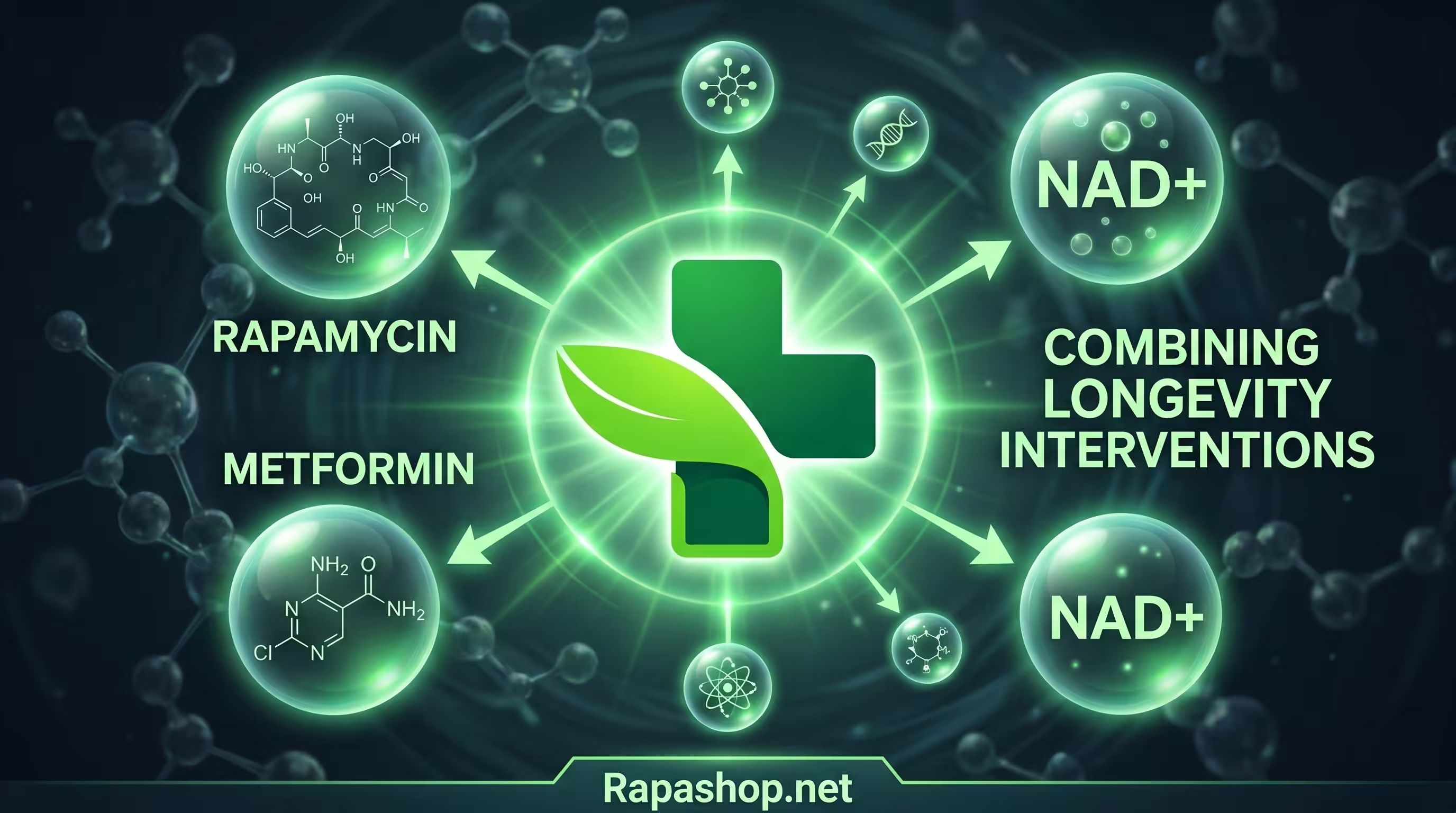
Combining Rapamycin with Other Longevity Interventions: Metformin, NAD+, and More
Researchers now pursue human longevity through synergistic protocols instead of single-drug solutions. These combinations target the complex network of aging hallmarks simultaneously. Rapamycin remains the most effective drug for extending mammalian lifespans. However, real-world users often "stack" it with other interventions. People combine it with metformin, NAD+ precursors, and lifestyle changes. These additions enhance both…
The Ethics of Longevity: Should Healthy Humans Take Rapamycin?
The transition of rapamycin (sirolimus) from a soil-dwelling byproduct of Easter Island to the center of the longevity drug ethical debate represents a paradigm shift in preventive medicine. While this macrolide remains the only pharmacological intervention proven to extend lifespan across nearly all model organisms, its increasing off-label adoption by healthy "biohackers" has ignited a…
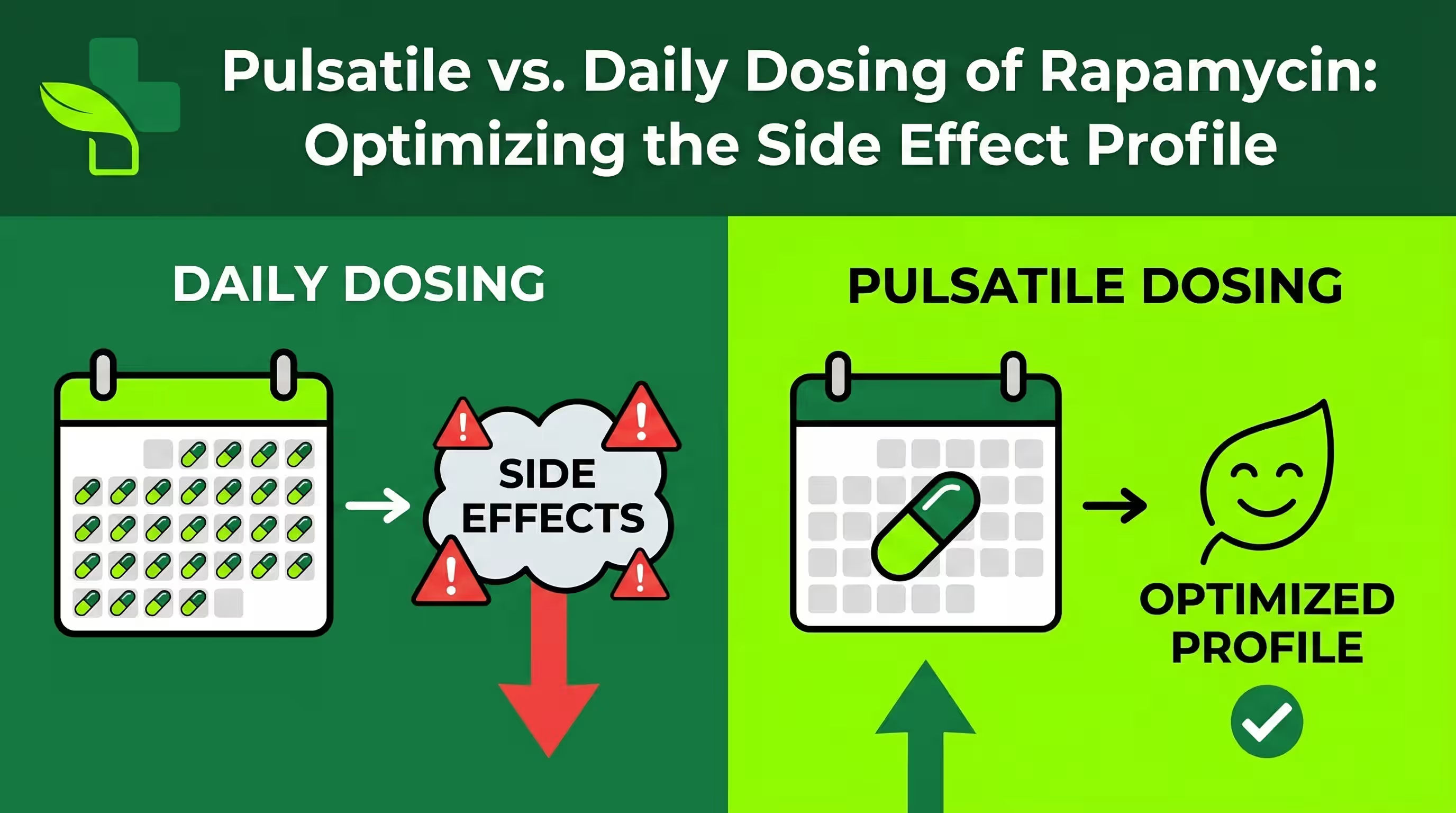
Pulsatile vs. Daily Dosing of Rapamycin: Optimizing the Side Effect Profile
Your body’s metabolism is like a high-performance engine. Over time, it builds up cellular waste or "junk". For decades, researchers sought a biological switch to trigger autophagy. This is a vital self-cleaning mode for cells. Rapamycin is the most promising switch discovered so far. It was originally found in the soil of Easter Island. The…
Is Rapamycin Effective for Long Covid or ME/CFS Symptoms? (Emerging 2025–2026 Trend)
The landscape of chronic illness treatment is shifting as researchers move beyond mere symptom management toward addressing the biological roots of exhaustion. As we move through 2026, a clear trend has emerged: rapamycin, once known primarily as a transplant drug and longevity "miracle," is being repurposed as a precision tool for patients battling Long COVID…
Why Would a Doctor Prescribe Rapamycin? Medical vs. Off-Label Uses
People are tracking the latest breakthroughs in clinical longevity, already know that rapamycin has shifted from a niche immunosuppressant to the most heavily debated molecule in geroscience. But exactly why would a doctor prescribe rapamycin today? For decades, the FDA has approved rapamycin (known generically as sirolimus) specifically to prevent organ transplant rejection and treat…

Animal Studies on Rapamycin: From Mice to Men – Can We Translate the 60% Lifespan Extension?
The translation of mammalian target of rapamycin (mTOR) inhibitors from preclinical models to human longevity interventions is the most scrutinized frontier in modern geroscience. We are moving far beyond the theoretical question of if rapamycin extends lifespan. Decades of data confirm its efficacy across yeast, nematodes, fruit flies, and mice. Today, the clinical challenge is…
Molecular Gatekeeping: How Does Rapamycin Inhibit mTORC1?
The study of the Mechanistic Target Of Rapamycin (mTOR) has evolved from a curious discovery in Easter Island soil to the cornerstone of modern longevity science. While early research focused on its immunosuppressive properties, current clinical interest centers on its role as the "master regulator" of cellular growth and aging. Understanding the precise structural mechanism…