
Why Would a Doctor Prescribe Rapamycin? Medical vs. Off-Label Uses
People are tracking the latest breakthroughs in clinical longevity, already know that rapamycin has shifted from a niche immunosuppressant to the most heavily debated molecule in geroscience. But exactly why would a doctor prescribe rapamycin today?
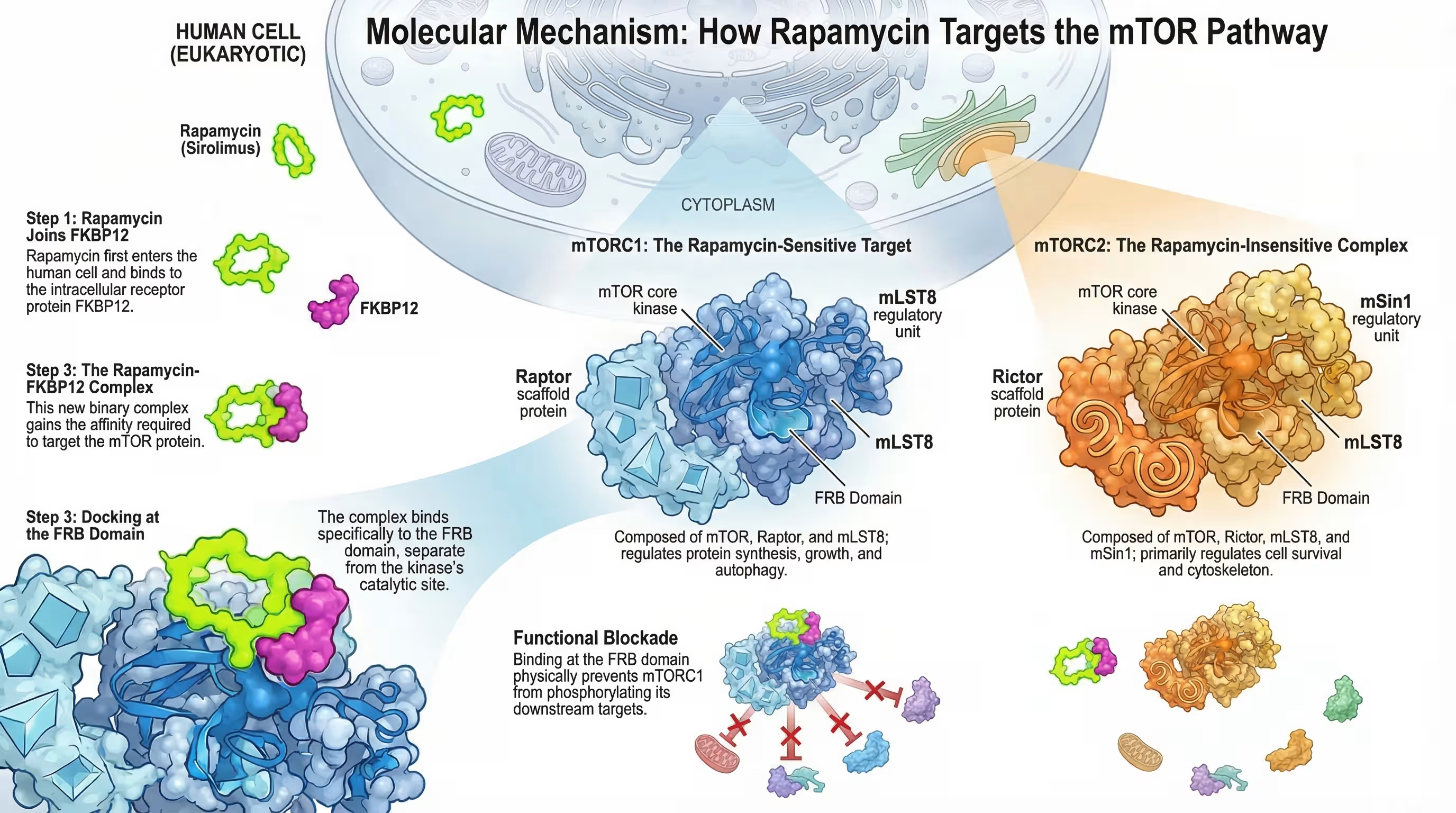
For decades, the FDA has approved rapamycin (known generically as sirolimus) specifically to prevent organ transplant rejection and treat a handful of rare cellular overgrowth disorders. However, physicians are increasingly prescribing off-label rapamycin for longevity and healthspan extension. Clinical researchers now recognize that the drug inhibits the mechanistic target of rapamycin (mTOR) pathway, effectively mirroring the cellular benefits of caloric restriction.
This guide bypasses the generic history of the drug. Instead, we explore the precise clinical mechanisms behind its FDA-approved applications, analyze the conflicting data regarding its off-label use for anti-aging, and examine the strict protocols modern longevity physicians use to mitigate risk.
What Are the FDA-Approved Medical Uses for Rapamycin?
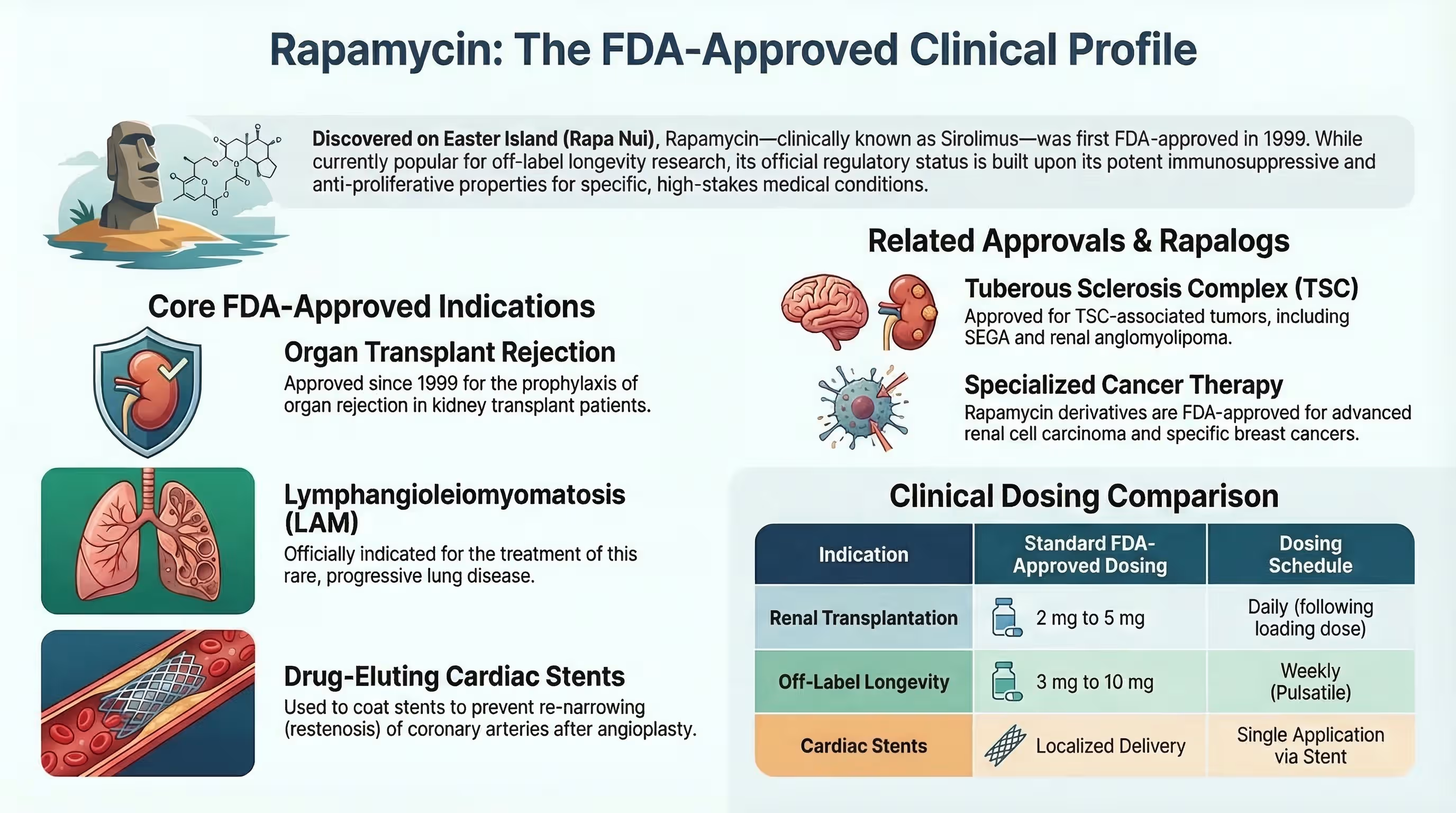
Doctors prescribe rapamycin (sirolimus) primarily to prevent organ rejection in renal (kidney) transplant patients and to treat rare diseases like LAM (lymphangioleiomyomatosis) and PEComa (perivascular epithelioid cell tumors). In these approved settings, physicians use daily dosing regimens to intentionally suppress immune cell proliferation and halt aberrant cellular growth.
While the longevity community treats rapamycin as a novel healthspan tool, transplant nephrologists and oncologists have utilized this drug for decades. Rapamycin’s original use revolves around its potent ability to block cell cycle progression.
When a patient receives a new kidney, their immune system immediately recognizes the organ as foreign. To prevent the body from attacking the transplant, doctors prescribe immunosuppressants. Unlike calcineurin inhibitors (like cyclosporine), which stop immune cells from producing cytokines, rapamycin blocks the signal transduction that tells T-cells and B-cells to multiply. It freezes the immune cells between the G1 and S phases of their growth cycle, preventing them from dividing and attacking the new organ.
Beyond organ transplantation, the FDA also approves specific rapamycin formulations for rare tumors driven by hyperactive mTOR signaling. For example, FYARRO is an intravenous, albumin-bound sirolimus formulation approved for patients with malignant PEComa. In these aggressive soft-tissue tumors, the mTOR pathway is chronically stuck in the “on” position. Rapamycin acts as a targeted molecular brake, shrinking the tumors and stalling disease progression. Similarly, doctors prescribe oral sirolimus to treat LAM, a rare lung disease characterized by the abnormal growth of smooth muscle cells.
Why Are Doctors Prescribing Rapamycin Off-Label for Longevity?
Physicians prescribe off-label rapamycin for longevity because it consistently extends lifespan in animal models by inhibiting the mTOR pathway, which triggers cellular cleanup (autophagy) and delays age-related diseases. By dialing down hyperactive cellular growth signals, rapamycin effectively mimics the biological benefits of fasting.
Aging is not simply the passive accumulation of molecular damage. According to the hyperfunction theory of aging proposed by researchers like Dr. Mikhail Blagosklonny, aging is actually a continuation of our developmental growth programs. Once we reach adulthood, these growth pathways—specifically the mTOR pathway—remain active. This cellular “hyperfunction” drives age-related diseases like atherosclerosis, cellular senescence, and cancer.
Off-label rapamycin protocols aim to suppress this overactive signaling. Extensive pre-clinical data supports this approach. In 2025, a massive meta-analysis of 167 studies confirmed that rapamycin extended the lifespan across eight different vertebrate groups, matching the efficacy of strict caloric restriction.
In human subjects, real-world data from a 2023 University of Washington registry evaluating 333 off-label rapamycin users provided fascinating insights into subjective healthspan improvements. Users reported statistically significant reductions in chronic abdominal pain, anxiety, eye pain, and generalized aches. Over a third of users explicitly noted feeling younger, experiencing sharper cognition, and enjoying better mobility.
What Is the Standard Off-Label Rapamycin Protocol?
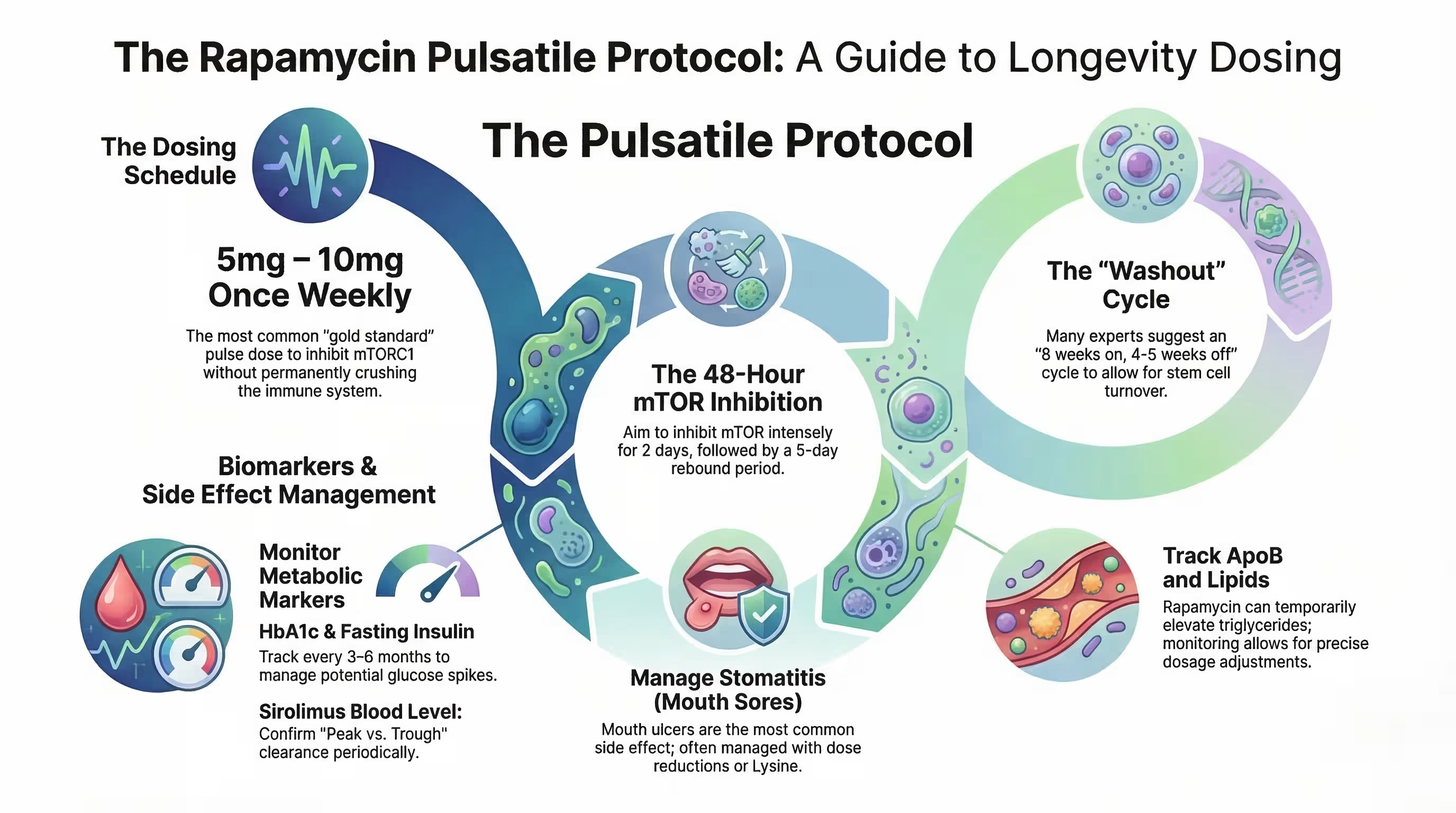
The most common off-label rapamycin protocol involves pulsatile dosing of 3 to 6 milligrams taken once weekly. This intermittent schedule maximizes mTORC1 inhibition to trigger cellular repair while avoiding the suppression of mTORC2, which prevents unwanted metabolic side effects like insulin resistance.
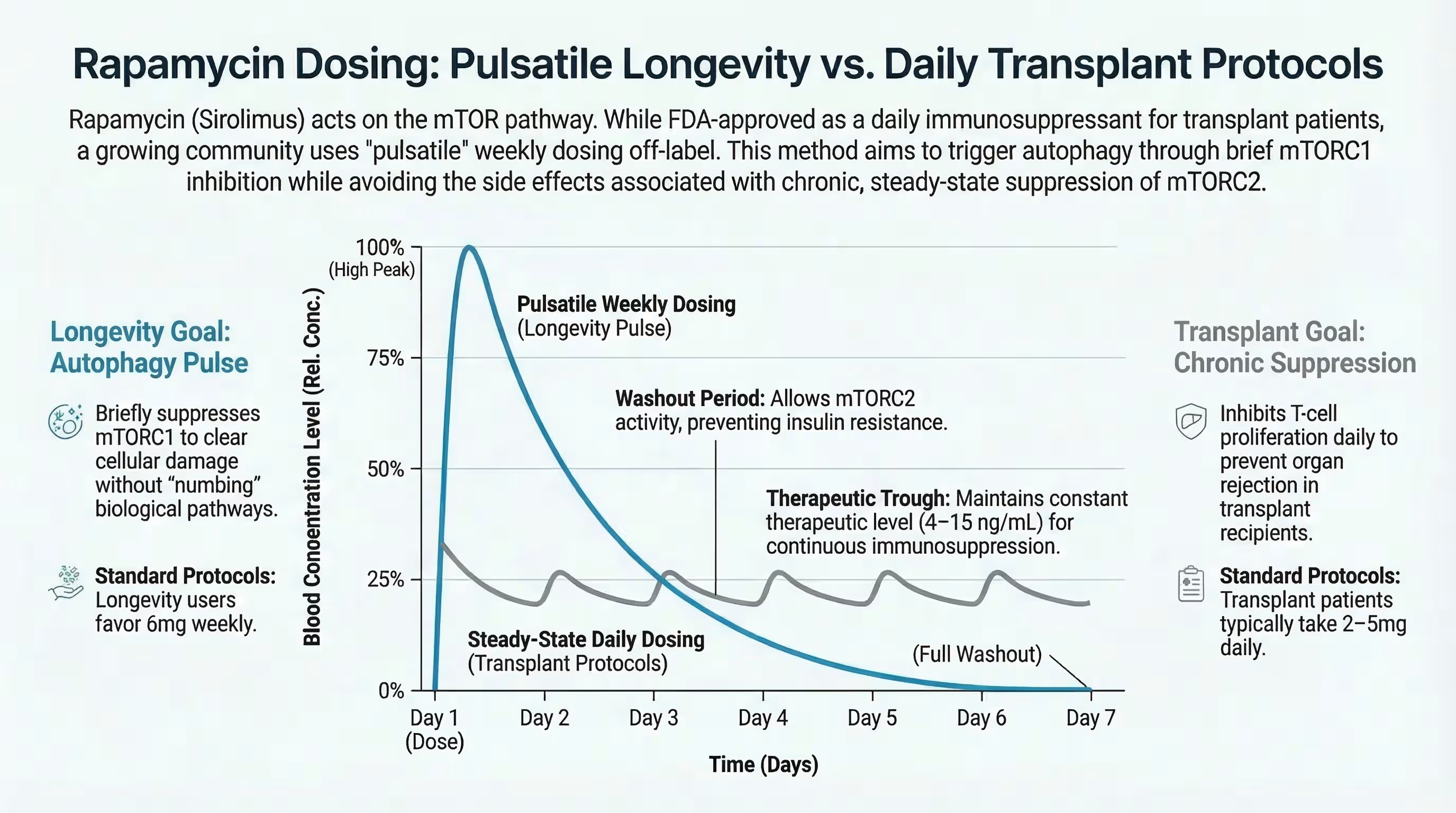
When transplant patients take rapamycin, they take it daily to maintain a constant level of the drug in their blood. For longevity purposes, daily dosing is widely considered dangerous. Chronic daily dosing eventually inhibits mTORC2, a secondary protein complex responsible for maintaining healthy insulin sensitivity and lipid metabolism.
To harvest the benefits of the drug without crushing the immune system, longevity experts like Dr. Peter Attia utilize a “pulsatile” or intermittent dosing strategy.
- The Weekly Pulse: Patients typically consume a single oral dose of 3mg to 8mg once a week.
- The Washout Period: The drug’s half-life is approximately 60 hours. Dosing once weekly allows the drug to fully clear the patient’s system (the “trough” level hits near zero) before the next dose.
- The “Synergy Stack”: Because rapamycin can trigger temporary spikes in blood glucose, many biohackers now pair it with Metformin. Rapamycin drives cellular cleanup, while Metformin acts as a metabolic shield to maintain stable blood sugar.
| Aspect | Medical Uses | Off-Label Longevity |
|---|---|---|
| Primary Goal | Prevent rejection/tumor growth | Delay age-related decline, extend healthspan |
| Dosing Frequency | Daily, trough 5-15 ng/mL | Weekly (e.g., 6mg), or 8 weeks on/4 off |
| Duration | Lifelong maintenance | Cyclic, often 1-2 years then reassess |
| Monitoring | Frequent labs (lipids, kidneys, CBC) | Baseline + periodic (glucose, inflammation) |
| Combo Therapy | With cyclosporine/steroids | Standalone or stacked (e.g., metformin) |
| Evidence Level | FDA-approved RCTs | Preclinical + observational human data |
Clinical trials evaluating rapamycin for anti-aging are ongoing. Recent data suggests that brief, intermittent exposure to the drug may provide the exact same geroprotective effects as lifelong continuous treatment, severely reducing the risk profile.
What Do Clinical Trials Reveal About Rapamycin and Immune Function?
Clinical trials indicate that low, intermittent doses of rapamycin actually rejuvenate immune function in older adults, countering the traditional view of the drug as purely immunosuppressive. By clearing out exhausted immune cells, rapamycin helps older immune systems mount stronger responses to viral threats.
The idea that rapamycin universally destroys immune health is a misconception stemming from its original use in transplant medicine. In reality, rapamycin acts as an immunomodulator.
During the aging process, the immune system degrades, becoming chronically inflamed and less responsive to vaccines. In landmark clinical trials led by Dr. Joan Mannick, researchers administered low-dose rapalogs (rapamycin derivatives) to healthy elderly adults. The results were paradigm-shifting: patients receiving the intermittent mTOR inhibitor showed a 20% improvement in their immune response to the influenza vaccine.
We observed similar trends during the COVID-19 pandemic. In the cohort study of 333 rapamycin users, those who took the drug continuously during a SARS-CoV-2 infection were significantly less likely to develop severe symptoms or experience Long COVID compared to non-users. By reducing the hyper-inflammatory “cytokine storm” and inhibiting viral replication pathways, low-dose rapamycin allowed the innate immune system to clear the virus more efficiently.
What Are the Real-World Side Effects of Off-Label Rapamycin?
The most prevalent real-world side effect of off-label rapamycin use is the development of aphthous ulcers (canker sores) in the mouth. Other potential risks include transient hyperlipidemia, elevated blood glucose, and impaired wound healing.
When discussing the reality of this drug, we must examine real user sentiment. Anonymized reports from longevity forums and Reddit communities highlight a distinct divide in patient experiences.
The Biohacker Experience: In a prominent Reddit AMA, a 27-year-old medical student detailed their two-year protocol of taking 5-10mg weekly. While they reported an optimized metabolic profile, drastically lowered systemic inflammation, and excellent skin health, they also suffered from persistent canker sores (stomatitis). Stomatitis occurs in up to 79% of patients receiving clinical doses of rapamycin, making it the most reliable indicator that the drug is actively inhibiting the mTOR pathway.
Metabolic and Hormonal Shifts: Other users report mild dyslipidemia. Rapamycin alters lipid metabolism, which can occasionally raise triglycerides and LDL cholesterol. Furthermore, cases of physiological insulin resistance are well-documented. One user suffering from Long COVID attempted a 2mg weekly rapamycin protocol hoping to clear viral persistence. They experienced a severe negative reaction, including debilitating fatigue, severe cystic acne flare-ups, and hormonal disruptions.
This perfectly illustrates why high-profile longevity figures, such as tech entrepreneur Bryan Johnson, publicly discontinued rapamycin. Johnson cited poor wound healing, increased susceptibility to minor infections, and elevated blood glucose as reasons for stepping away from the drug. While Peter Attia and Matt Kaeberlein remain strong proponents of the molecule, these real-world adverse events highlight the necessity of physician oversight.
Who Should Not Take Rapamycin?
Individuals with severe hepatic impairment, pregnant or nursing women, and patients undergoing liver or lung transplantation should not take rapamycin due to high risks of fatal complications and embryo-fetal toxicity. Additionally, anyone taking strong CYP3A4 inhibitors should avoid the drug.
The FDA issues severe black box warnings for specific populations regarding sirolimus.
- Liver and Lung Transplant Patients: Unlike renal transplants, the FDA explicitly warns against using rapamycin in liver or lung transplant patients. In liver transplants, sirolimus drastically increases the risk of hepatic artery thrombosis (a fatal blood clot in the liver). In lung transplants, it causes bronchial anastomotic dehiscence, meaning the surgical airway connections literally break apart and fail to heal.
- Reproductive Risks: Rapamycin is a potent anti-proliferative. Animal data confirms it is toxic to developing embryos. Pregnant women, nursing mothers, and males actively trying to conceive must strictly avoid the drug.
- Metabolic Contraindications: Patients with unmanaged diabetes or severe dyslipidemia should proceed with extreme caution, as the drug can acutely worsen insulin sensitivity.
- Dangerous Drug Interactions: Rapamycin metabolizes through the CYP3A4 liver enzyme. Patients must avoid consuming grapefruit juice, CBD oil, or systemic antifungals (like ketoconazole) while taking rapamycin. These compounds block the enzyme, causing rapamycin to build up to toxic, highly immunosuppressive levels in the bloodstream.
Conclusion
The clinical narrative surrounding rapamycin has evolved dramatically. It is no longer just a vital tool for preventing organ rejection; it has become the most scientifically validated pharmacological intervention for mammalian life extension.
Doctors prescribe rapamycin off-label because the clinical data supporting its ability to delay age-related decay is unprecedented. However, the line between a therapeutic longevity dose and a toxic immunosuppressive dose is razor-thin. Pulsatile, low-dose protocols appear to offer a favorable safety profile, but rigorous blood monitoring and expert physician guidance remain absolutely mandatory.
As we await the results of massive clinical trials evaluating rapamycin for early Alzheimer’s and preventative medicine, the molecule remains experimental. If you are considering optimizing your healthspan, consult a specialized longevity physician to determine if your baseline metabolic health can safely support mTOR inhibition.

Low-dose weekly regimens appear well-tolerated per surveys and trials, with minor sides like sores; monitor lipids/glucose.
3-8mg once weekly, cycled to avoid tolerance—per Attia/Kaeberlein insights
Preclinical yes (15-20% mice); human data shows biomarkers/immunity wins, but no longevity RCTs yet.
No—requires doctor eval for risks; not for immunocompromised.
Yes, many specialized longevity clinics prescribe rapamycin off-label for anti-aging. However, it is an experimental protocol requiring strict medical supervision to manage potential metabolic side effects.
Generic sirolimus is relatively inexpensive compared to branded longevity drugs. Depending on the pharmacy, a monthly supply for a standard longevity protocol (e.g., 6mg weekly) typically costs between $50 and $150 out-of-pocket.
Rapamycin is a strictly regulated, FDA-approved prescription pharmaceutical drug. It is not an over-the-counter dietary supplement.
Because rapamycin inhibits mTOR (a necessary pathway for muscle protein synthesis), taking high doses right before resistance training may blunt muscle hypertrophy. Most longevity protocols advise taking the drug on rest days.
Resource links
Evaluation of off-label rapamycin use to promote healthspan in 333 adults
Rapamycin vs. Metformin: The 2026 Guide to the “Synergy Stack”
Mechanistic Target of Rapamycin (mTOR) Inhibitors
FYARRO (SIROLIMUS ALBUMIN-BOUND NANOPARTICLES) Label
Rapamycin for longevity: the pros, the cons, and future perspectives
Rapamycin and mTOR kinase inhibitors
https://www.youtube.com/watch?v=zQHIGhu4kE4
REDDIT: Anti-aging experiment: I have been taking weekly rapamycin for over 2 years - AMA
Rapamycin News: Rapamycin Update in 2025
Does Rapamycin Increase Infection Risk?
What is the clinical evidence to support off-label rapamycin therapy in healthy adults?