

Topics
Articles about Side Effects
What Are the Most Common Rapamycin Side Effects — and How Do You Actually Manage Them?
Rapamycin is currently the most effective known pharmaceutical for extending lifespan and delaying age-related diseases in mammals. While its potential to enhance human healthspan is supported by a growing body of evidence, many users are deterred by fears of adverse events like mouth sores, metabolic shifts, and immune suppression [1] [2]. This authoritative guide breaks…
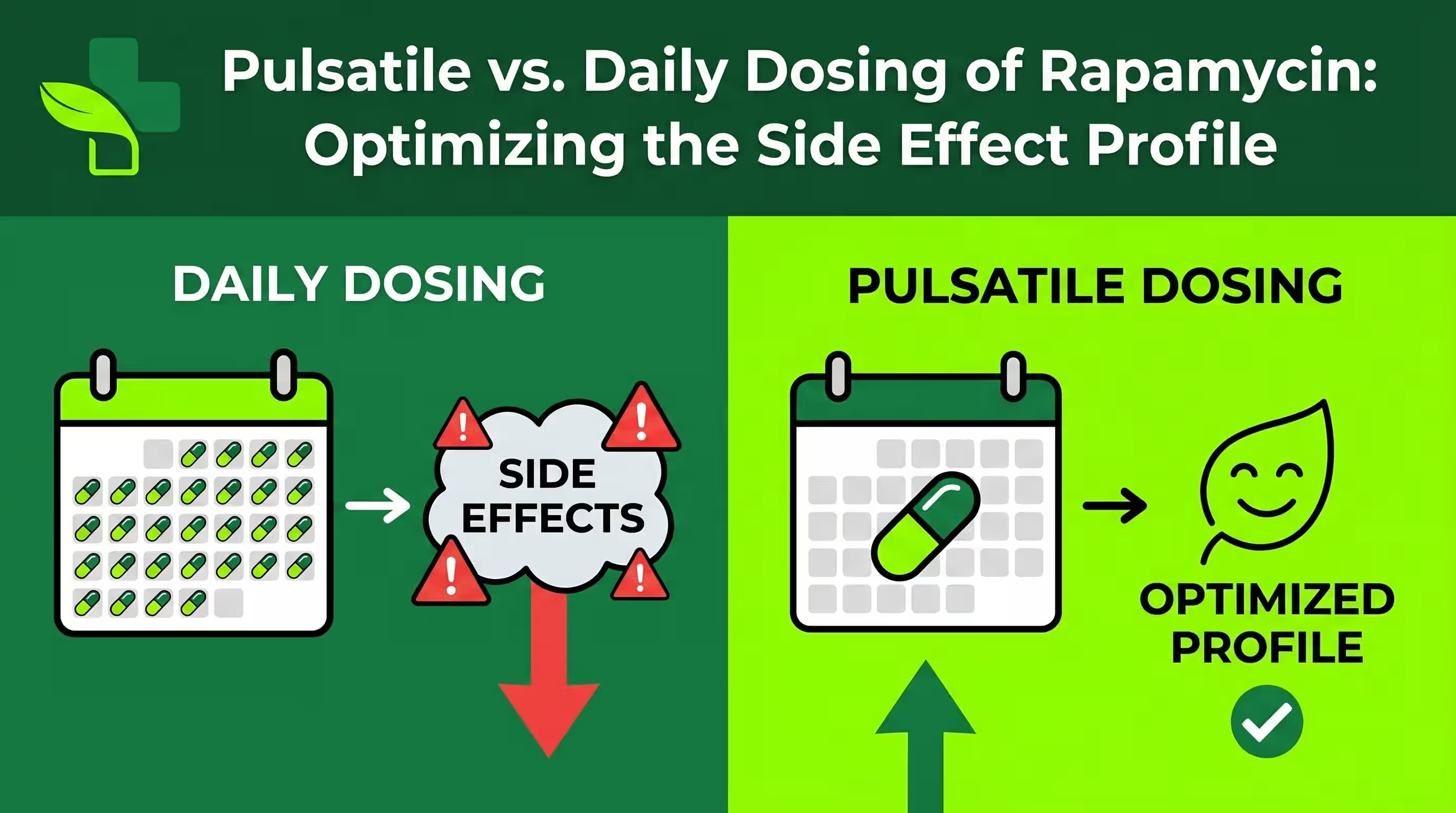
Pulsatile vs. Daily Dosing of Rapamycin: Optimizing the Side Effect Profile
Your body’s metabolism is like a high-performance engine. Over time, it builds up cellular waste or "junk". For decades, researchers sought a biological switch to trigger autophagy. This is a vital self-cleaning mode for cells. Rapamycin is the most promising switch discovered so far. It was originally found in the soil of Easter Island. The…
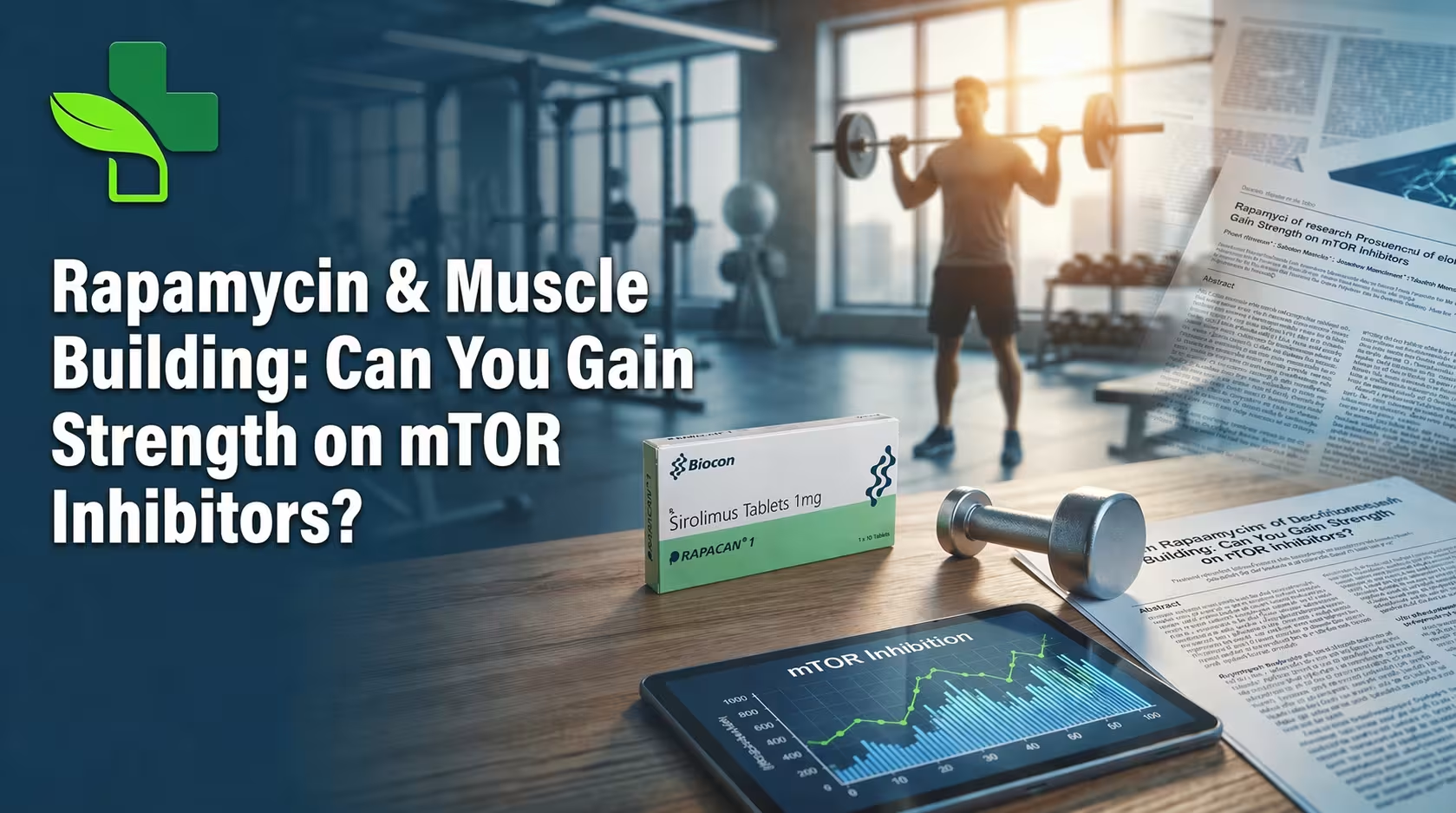
Rapamycin and Muscle Building: Can You Gain Strength While on mTOR Inhibitors?
Recent clinical research highlights a distinction in rapamycin dosing. Chronic high doses can blunt acute protein synthesis. However, intermittent dosing for longevity does not necessarily prevent muscle growth. This is especially true when paired with consistent resistance training. Individuals should understand the nuance between acute inhibition and long-term adaptation. This knowledge allows them to balance…
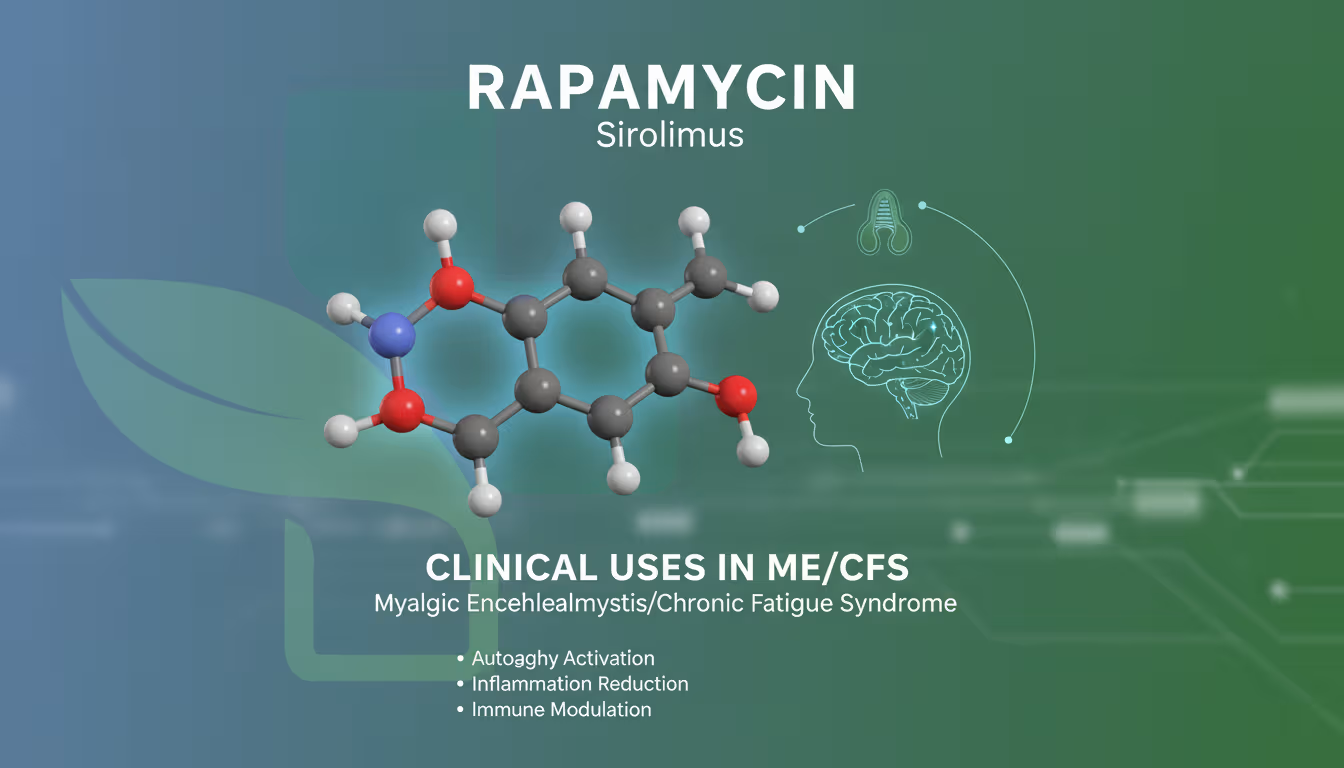
Is Rapamycin Effective for Long Covid or ME/CFS Symptoms? (Emerging 2025–2026 Trend)
The landscape of chronic illness treatment is shifting as researchers move beyond mere symptom management toward addressing the biological roots of exhaustion. As we move through 2026, a clear trend has emerged: rapamycin, once known primarily as a transplant drug and longevity "miracle," is being repurposed as a precision tool for patients battling Long COVID…
Is Rapamycin the First True Anti-Aging Drug? Examining the Evidence
Rapamycin is the strongest drug candidate in longevity research so far, but it is not yet a proven “true anti-aging drug” in humans. The evidence is compelling in animals and promising in early human studies, yet we still lack the kind of large, long-term trials needed to say it reliably slows human aging. Rapamycin sits…
Why Would a Doctor Prescribe Rapamycin? Medical vs. Off-Label Uses
People are tracking the latest breakthroughs in clinical longevity, already know that rapamycin has shifted from a niche immunosuppressant to the most heavily debated molecule in geroscience. But exactly why would a doctor prescribe rapamycin today? For decades, the FDA has approved rapamycin (known generically as sirolimus) specifically to prevent organ transplant rejection and treat…