
Rapamycin Dosing for Longevity: Complete Beginner’s Guide
Navigating the landscape of geroprotectors requires a shift from traditional disease treatment to proactive biological optimization. Rapamycin dosing for longevity has moved beyond theoretical mouse models and into the clinics of specialty practitioners, yet the transition from a daily transplant drug to an intermittent anti-aging protocol requires precision to maximize autophagy while avoiding metabolic pitfalls. By strategically modulating the mTOR pathway, researchers aim to delay the onset of multiple age-related physiological changes that currently drive the majority of chronic disease burdens.
How is Rapamycin administered for longevity?
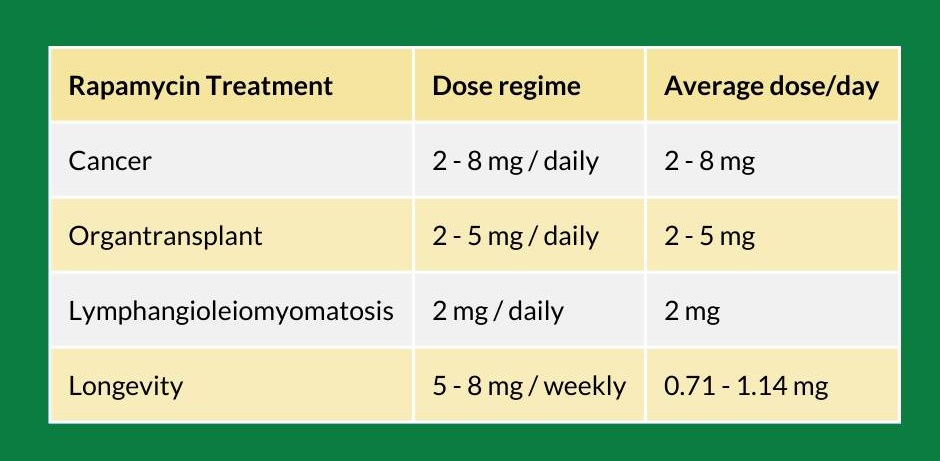
For longevity purposes, Rapamycin is typically administered orally as an intermittent weekly dose, ranging from 3 mg to 10 mg, rather than the daily regimen used in organ transplantation. This “pulsed” dosing strategy is designed to inhibit mTORC1 effectively while allowing for a drug-free interval that prevents the sustained suppression of mTORC2, which is associated with metabolic side effects.
Current clinical evidence suggests that the method of delivery significantly impacts the drug’s safety profile. While transplant patients take daily doses to prevent organ rejection, longevity protocols favor a once-weekly or even bi-weekly schedule. In a large-scale survey of 333 off-label users, 6 mg once per week was identified as the most common dosing regimen. Some practitioners also utilize a titration method, starting patients at 1 mg per week and incrementally increasing the dose to allow the body to adjust and minimize the risk of transient side effects like mouth ulcers.
What does Rapamycin inhibit in the human body?
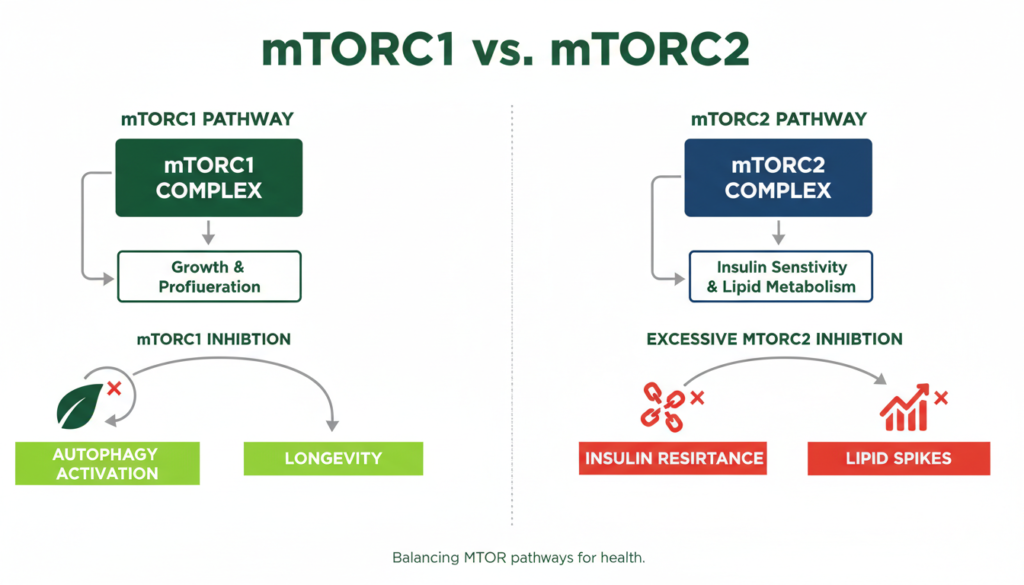
Rapamycin is a potent inhibitor of the mechanistic target of rapamycin (mTOR) pathway, specifically targeting two distinct protein complexes: mTORC1 and mTORC2. While mTORC1 is the primary target for anti-aging—regulating protein synthesis, autophagy, and nutrient sensing—mTORC2 governs cell survival and lipid metabolism and is less sensitive to acute exposure.
Understanding these complexes is critical for a safe protocol.
• mTORC1: Think of this as the body’s central growth hub. By inhibiting it, rapamycin triggers autophagy—a cellular “cleanup” process that degrades damaged protein aggregates and organelles.
• mTORC2: This complex is involved in immune responses and insulin signaling. Chronic, daily inhibition of mTORC2 is what typically leads to the insulin resistance and hyperlipidemia seen in transplant populations.
Intermittent dosing seeks to hit the “sweet spot”: deep inhibition of mTORC1 to gain longevity benefits without hitting mTORC2 hard enough to cause glucose intolerance.
How much rapamycin should I take?
The optimal “anti-aging” dose is generally considered the maximum dose an individual can tolerate without experiencing side effects, often starting between 3 mg and 5 mg per week. Because drug metabolism varies significantly based on weight, age, and genetics, personalized dosing informed by blood serum testing is becoming the clinical standard for biohackers.
In animal models, higher doses are consistently linked to longer lifespans, but in humans, the risk of side effects creates a ceiling. Practitioners often recommend “starting low and going slow”.
1. Baseline Testing: Clinicians typically assess fasting lipids and a complete blood count (CBC) before initiation.
2. Starting Phase: A common entry point is 3-5 mg per week for six weeks.
3. Optimization: If bloodwork remains stable and no mouth sores appear, the dose may be increased, though most longevity protocols stay under 10 mg per week to avoid mTORC2 inhibition.
User Experience: One anonymized survey of users noted that while some take as much as 20 mg per week, those on lower weekly doses (under 6 mg) reported the fewest adverse events and felt more consistent “youthful energy”.
Can I take Rapamycin and Metformin together?
Combining Rapamycin and Metformin is a popular longevity strategy because metformin may counteract the potential hyperglycemia and glucose intolerance sometimes triggered by mTOR inhibition. Preclinical studies in mice have shown that this combination can be additive, leading to greater lifespan extension than either drug alone.
The National Institute on Aging’s Intervention Testing Program is actively studying this pair. The rationale is that if Rapamycin induces a state of “benevolent pseudo-diabetes” (a starvation-mimetic response), metformin acts as an insulin sensitizer to maintain metabolic homeostasis.
• Acarbose Synergy: Some protocols also add acarbose, another drug shown to enhance the lifespan-extending effects of Rapamycin in genetically heterogeneous mice.
What are the most common Rapamycin side effects?
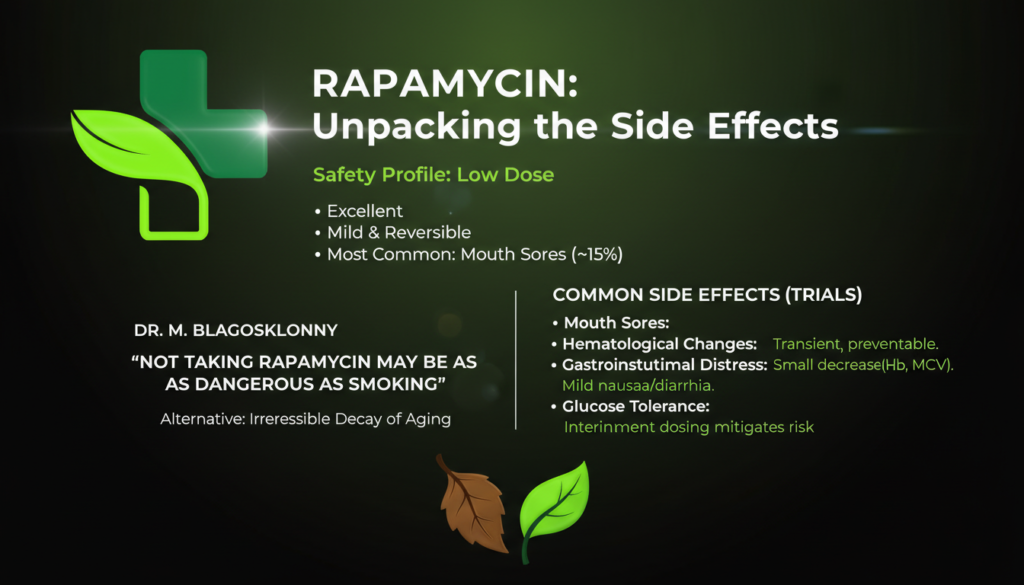
The most frequently reported side effect of rapamycin, even at low longevity doses, is the development of mouth ulcers (stomatitis), which typically resemble painful canker sores. Other common but manageable effects include transient increases in total cholesterol and triglycerides, mild GI upset, and an acne-like rash.
It is vital to distinguish between daily transplant dosing and intermittent anti-aging dosing. In high-dose transplant cohorts, serious adverse events like non-infectious pneumonitis or impaired wound healing can occur in 4-14% of patients. However, for those on a weekly biohacking protocol, serious events are rare.
• Lipid Spikes: A 40% increase in triglycerides above baseline was noted in one study of healthy individuals taking 1 mg daily for 8 weeks.
• Infection Risk: While high doses are immunosuppressive, low intermittent doses may actually boost the immune response to vaccines and reduce the incidence of respiratory tract infections in the elderly.
How does Rapamycin impact Ovarian Health?
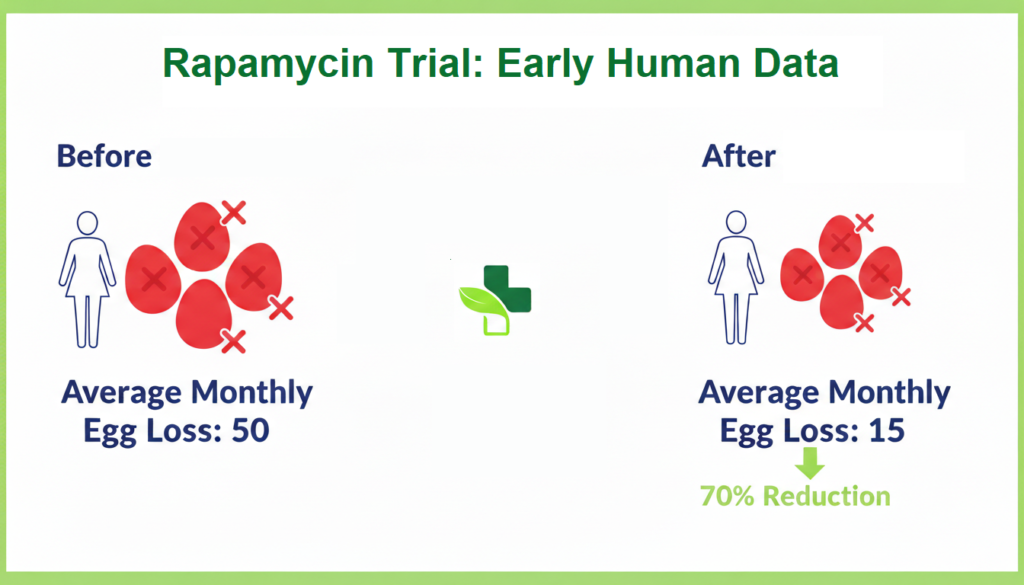
The VIBRANT study is particularly groundbreaking, suggesting that weekly rapamycin can slow the rate of egg loss from 50 per month to 15, potentially delaying menopause and its associated health risks.
When to start Rapamycin for anti-aging?
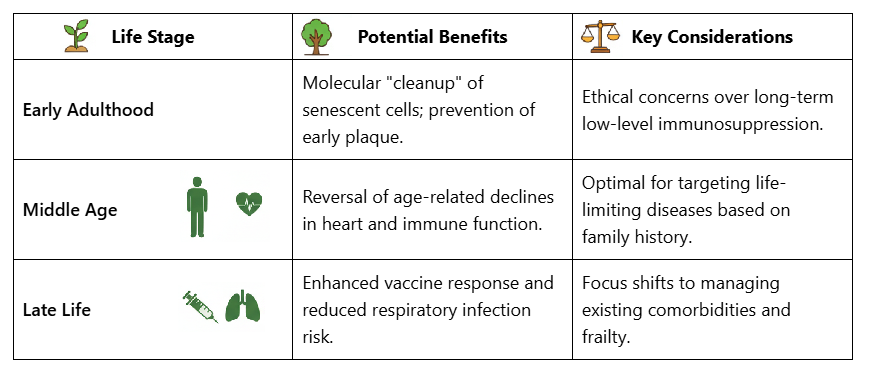
While animal studies show that starting Rapamycin in mid-to-late life can still provide significant lifespan extension, many longevity experts argue that the most effective time to start is at the “pre-disease” stage, typically in early to mid-adulthood. Starting before overt organ damage or loss of function occurs allows the drug to act as a prophylactic against age-related decline.
Is Rapamycin Chemotherapy?
Rapamycin is not classified as a traditional cytotoxic chemotherapy; rather, it is a targeted mTOR inhibitor used both as an immunosuppressant and an antineoplastic agent. While it is FDA-approved for specific cancers (like PEComa) and as rejection prophylaxis, its mechanism of action—slowing cell growth rather than killing cells outright—is distinct from typical “chemo”.
In fact, Rapamycin is often viewed as a “starvation-mimetic” because it tricks the body into thinking nutrients are scarce, prompting cellular repair rather than rapid proliferation. This makes it a primary candidate for “geromedicine”—the blend of traditional medical practice with geroscience to improve healthspan.
User Experience and Real-World Sentiment
Anonymized real-world data from a University of Washington survey of 333 adults revealed that 95% of users were taking rapamycin for “healthy longevity”.
• Perceived Benefits: Ratios of 3:1 in agreement were observed for improvements in happiness, brain function, and confidence.
• Social Proof: Many users noted that “family and friends have commented that I look good,” suggesting that the molecular anti-aging effects might manifest physically.
• The “Bryan Johnson” Case: In contrast to the positive survey data, high-profile biohacker Bryan Johnson expressed regret after his self-directed regimen (which included daily rapamycin alongside 100+ other supplements) led to side effects like elevated glucose. This highlights the danger of bypassing professional medical oversight and the importance of intermittent rather than daily dosing. Subject matter expert and a pioneer in Rapamycin studies Dr. Matt Kaeberlein discusses the methods and employed on Bryan Johnson case on his YouTube channel.
Conclusion: Summary of Takeaways
Rapamycin represents the first pharmacological agent shown to slow the aging process across multiple mammalian species. However, “more” is not necessarily “better” in the context of human longevity.
• Dose Timing: Intermittent weekly dosing (approx. 6 mg) is the current community and clinical standard to avoid metabolic disruption.
• Monitoring: Regular blood panels for lipids and glucose are essential for a safe protocol.
• Efficacy: While human lifespan data will take decades to confirm, markers of immune resilience, skin quality, and ovarian health are already showing positive signals in clinical settings.
Resource links
Evaluation of of‑label rapamycin use to promote healthspan in 333 adults
Targeting ageing with rapamycin and its derivatives in humans: a systematic review
Rapamycin Side Effects: Complete Safety Guide
Blazing a trail for the clinical use of rapamycin as a geroprotecTOR
Rapamycin for longevity: the pros, the cons, and future perspectives
Clinical Pharmacokinetics of Srolimus
The art and science of drug titration
Rapamycin for longevity: opinion article
About-face on the metabolic side effects of rapamycin
STOMATITIS MANAGEMENT HANDBOOK
mTOR inhibition improves immune function in the elderly
Ground Breaking Clinical Trial Explores Delaying Menapouse
Rapamycin and aging: When, for how long, and how much?
Srolimus: Side Effects, Uses, Dosage, Interactions, Warnings