
The Revolution that Extend Lifes
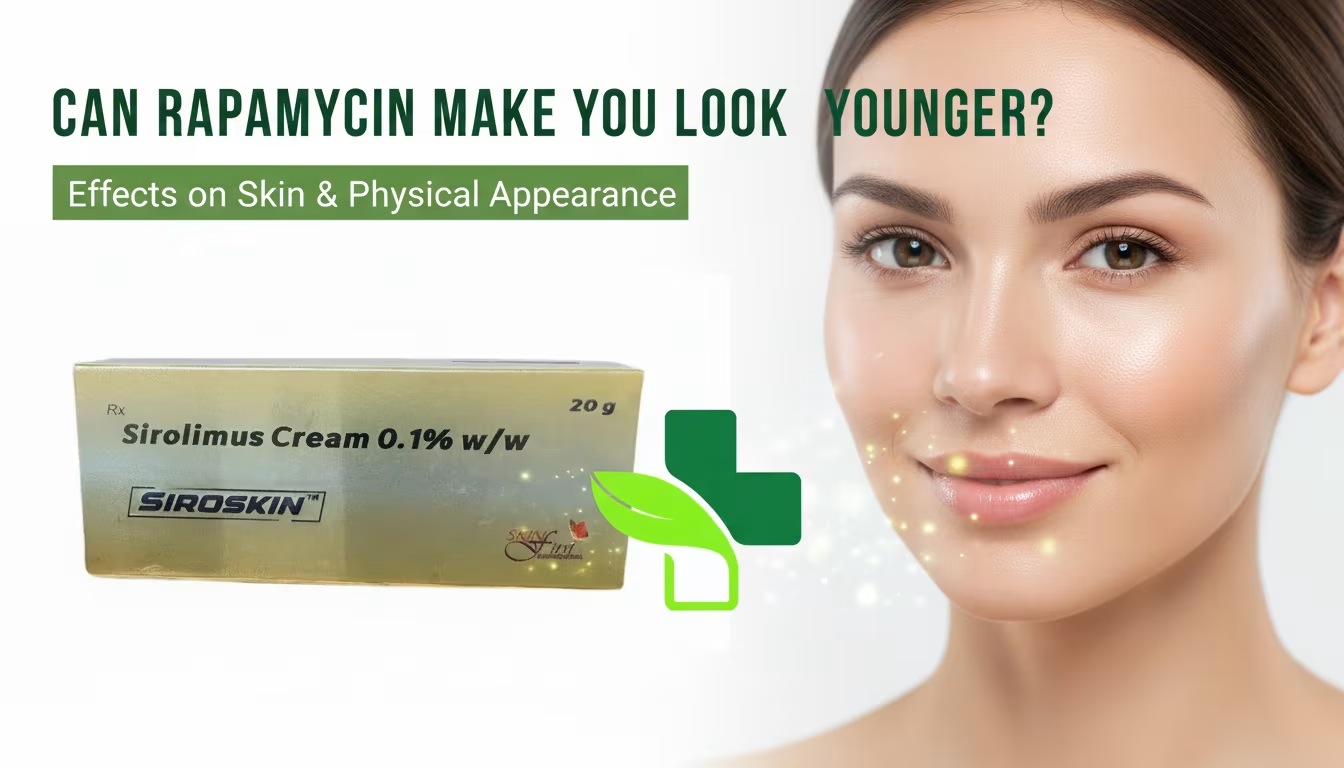
A medication once reserved for preventing organ rejection, rapamycin is now gaining momentum in the field of longevity and rapamycin for anti-aging research. Initially created as an immunosuppressive drug, rapamycin is now being studied for its potential to slow aging and support rapamycin lifespan extension in humans. With growing scientific support pointing to its possible rapamycin health benefits in fighting age-related illnesses, researchers are expanding their exploration of how rapamycin might improve overall health as people grow older. As this rapamycin aging research continues, the possibility of rapamycin reshaping how we understand and manage aging is becoming increasingly realistic—echoing broader questions such as can rapamycin really help you live longer?
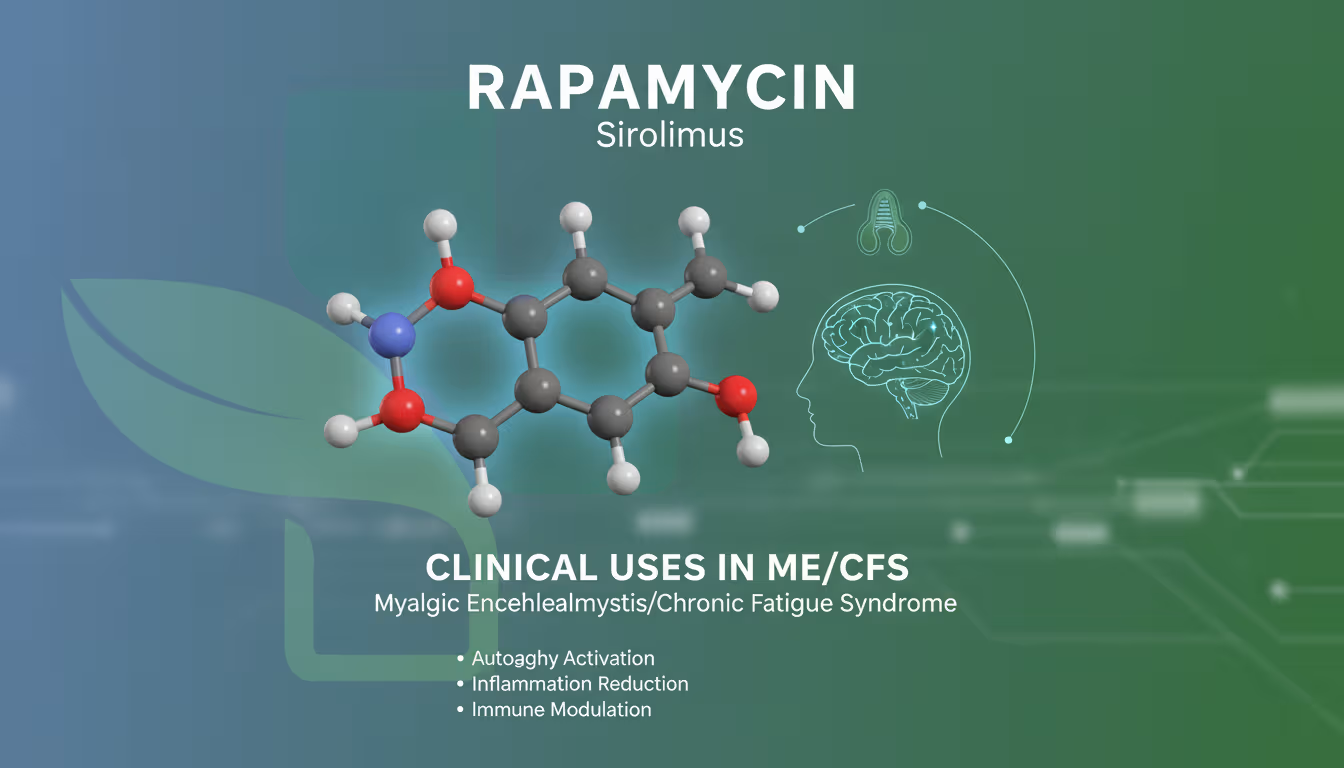
Rapamycin works primarily by targeting the mTOR pathway, which plays a central role in regulating cell growth, metabolism, and aging processes. By inhibiting this pathway, the drug appears to aid in cellular repair and may reduce the typical wear and tear that comes with age. This mechanism is closely tied to rapamycin and mTOR as a hidden switch controlling aging and mirrors effects seen in rapamycin mimicking caloric restriction. Experiments on animals, particularly mice, have shown that rapamycin can extend lifespan and delay the development of diseases like heart conditions, neurological disorders, and cancer—key findings that continue to drive interest in rapamycin lifespan extension.
One especially promising aspect of rapamycin for anti-aging is its ability to strengthen the immune system. As we age, our immune defenses weaken, leaving us more vulnerable to illnesses. Rapamycin’s mTOR-blocking effect may help rejuvenate immune cells, supporting emerging research highlighted in rapamycin in 2025: surprising new findings on aging, immunity, and women’s health. For older adults, this means rapamycin might not only extend lifespan but also enhance quality of life—an important rapamycin health benefit being actively studied.
Research into rapamycin’s role in aging has gained significant traction in recent years, particularly as scientists test it for uses beyond its original scope. In some cases, it has shown benefits for individuals with specific genetic conditions, and ongoing trials with elderly participants are evaluating its influence on memory, heart health, and other aging-related changes. Surprisingly, some studies even indicate that rapamycin might help preserve fertility in women by slowing ovarian aging, suggesting a potential role in delaying menopause—an emerging area within rapamycin aging research.
Interest in rapamycin isn’t limited to laboratories alone. Medical schools and research institutions are increasingly offering educational programs focused on aging and longevity, with rapamycin for anti-aging frequently featured as a topic of study. This growing attention mirrors interest from biohackers examining rapamycin as a potential anti-aging drug and wider discussions around whether rapamycin is an effective longevity drug. Healthcare professionals such as adult gerontology nurse practitioners (AGNPs) are expected to play a growing role in administering and supervising therapies involving rapamycin, helping translate scientific discoveries into clinical practice.
Beyond general aging, rapamycin is also under investigation as a potential therapy for age-related neurological disorders such as Alzheimer’s disease. Early studies suggest it may help clear harmful protein buildup in the brain—a major contributor to cognitive decline—supporting research into whether rapamycin protects neuron cells and highlighting additional rapamycin health benefits beyond lifespan alone. If proven effective, rapamycin could become an important tool in preventing or slowing neurodegenerative disease progression.
As we stand on the edge of new breakthroughs in longevity science, rapamycin for anti-aging represents a compelling candidate for transforming how age-related conditions are treated. Its potential to extend lifespan, boost immune resilience, and delay chronic disease positions it as a central figure in the future of longevity medicine. With continued research, rapamycin may become a cornerstone therapy for maintaining vitality and health well into later life—cementing its role in rapamycin and the future of healthy aging.