
Rapamycin May Extend Human Healthspan by Enhancing DNA Damage Resilience
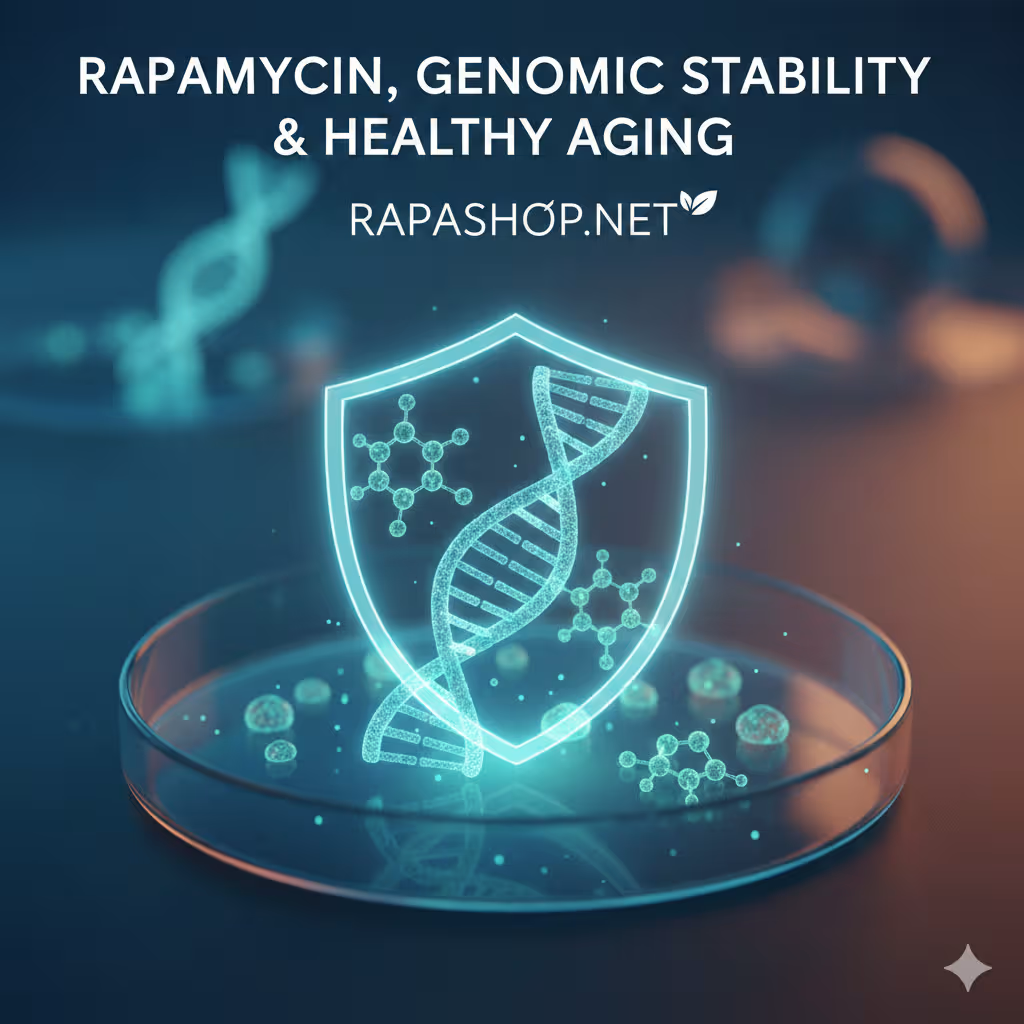
“New research suggests low-dose rapamycin may reduce DNA damage in aging immune cells, supporting healthier aging and potentially extending human healthspan.”
Recent findings suggest that rapamycin, an mTOR-inhibiting compound with established geroprotective effects in animal models, may enhance DNA damage resilience in aging human immune cells. This mechanism provides a compelling biologic rationale for its potential role in extending human healthspan.
Background and Rationale
Genomic instability is recognized as a hallmark of aging and a critical contributor to immunosenescence. Accumulation of DNA damage impairs immune responsiveness, accelerates inflammatory dysfunction, and increases vulnerability to age-related diseases.
Given rapamycin’s consistent lifespan-extending effects across multiple species, researchers are increasingly examining whether its benefits may stem from direct preservation of genomic integrity in human cells.
Key Findings From Recent Research
- Reduced DNA damage markers:
Low-dose rapamycin significantly decreased expression of γH2AX and other DNA damage indicators in immune cells from older adults exposed to genotoxic stress. - Improved cellular viability:
Rapamycin-treated cells demonstrated enhanced survival and maintained structural genomic integrity under damaging conditions. - Pilot clinical evidence:
In a small placebo-controlled study, four months of low-dose rapamycin reduced p21 expression, a molecular marker of cellular aging and DNA damage response activation. - Mechanistic implications:
The findings suggest rapamycin’s geroprotective actions may include not only mTOR pathway modulation and autophagy induction but also direct support of genomic stability.
Considerations and Future Research Directions
Although the current body of evidence remains preliminary, it offers strong justification for expanded investigation:
- Promising early-stage data:
Initial results, while based on preprint analyses and small human trials, demonstrate clear mechanistic plausibility and consistent biological signals. - Strengthening translational potential:
These insights align with preclinical findings and support the rationale for larger, more rigorous clinical studies to determine therapeutic relevance in humans. - Dose-optimization as a priority:
Identifying ideal low-dose regimens could accelerate safe clinical translation and minimize immunosuppressive risks. - Rapidly evolving research landscape:
Growing interest in mTOR modulation and genomic stability as aging interventions suggests substantial advances in the near future.
Collectively, emerging evidence indicates that rapamycin may enhance genomic resilience in aging immune cells, potentially slowing immunosenescence and supporting healthier aging. While further validation is required, the mechanistic clarity and consistency of early findings position rapamycin as a compelling candidate for future human longevity interventions.