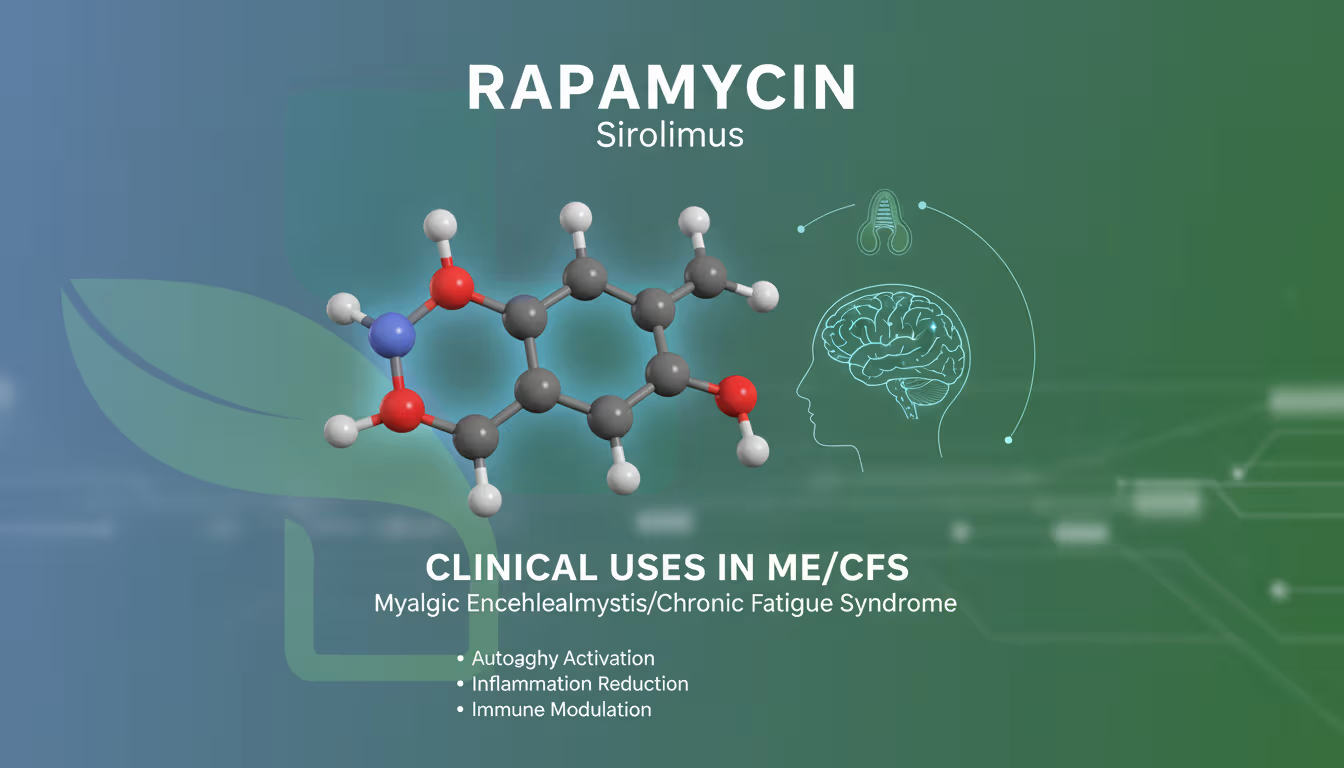

Low-Dose Rapamycin: A New Hope for Rapamycin ME/CFS Patients

Low-dose rapamycin shows promising results in rapamycin ME/CFS patients, improving fatigue, stamina, and immune balance. Could this be a breakthrough ME/CFS treatment rapamycin option for chronic fatigue syndrome? Insights from longevity research, including studies such as this overview of rapamycin’s benefits, are helping expand interest in its therapeutic potential.
ME/CFS: A Condition Still Waiting for Effective Treatments
Myalgic Encephalomyelitis/Chronic Fatigue Syndrome (ME/CFS) affects millions worldwide, leaving patients with severe fatigue, cognitive impairment, and post-exertional malaise. Despite its impact, treatment options remain limited, and patients often rely on symptom management rather than true solutions.
This gap has pushed researchers to look at innovative therapies, including drugs that influence the body’s cellular pathways. One such candidate gaining attention is rapamycin, especially regarding its potential role as rapamycin for chronic fatigue relief. This interest has also grown because of expanding longevity insights, such as those highlighted in rapamycin longevity research updates and mTOR-focused studies.
Why Rapamycin?
Rapamycin is best known as an mTOR inhibitor used in transplant medicine and longevity research. mTOR controls cell growth, metabolism, and immune responses. When overactive, it can drive chronic inflammation and energy dysfunction—two hallmarks often seen in ME/CFS.
By dialing down this pathway, rapamycin may help restore balance and improve energy regulation, positioning it as a possible ME/CFS treatment rapamycin approach. This mechanism is also explored in broader aging and metabolic studies, such as rapamycin’s role in healthy aging and its impact on immunity.
Inside the Study: Low-Dose Rapamycin in ME/CFS
Researchers designed a pilot study to see how low-dose rapamycin would impact rapamycin ME/CFS patients, including those seeking me/cfs fatigue relief. Similar findings have been discussed in weekly rapamycin ME/CFS trial insights.
- Participants: Adults meeting ME/CFS diagnostic criteria
- Treatment: Low-dose rapamycin over a set period, similar to a weekly rapamycin ME/CFS trial approach
- Measurements: Patient-reported symptoms, physical function, and immune markers
The focus was on safety, tolerability, and symptom changes—not aggressive pharmacological intervention. For deeper background, a related clinical overview can be found in this ME/CFS-specific rapamycin review.
What the Research Revealed
Fatigue & Stamina
Several patients reported less fatigue and an increase in stamina.
Daily activities became easier, with better mental clarity noted.
These improvements support rapamycin’s potential role in me/cfs fatigue relief, similar to outcomes seen in other rapamycin wellness reports like rapamycin and muscle endurance.
Immune Function
Evidence of reduced inflammation and improved immune regulation.
Some immune biomarkers moved closer to normal levels, a theme supported by longevity-related immune research such as rapamycin’s immune benefits.
Safety Profile
Low-dose rapamycin was generally well tolerated.
Side effects were mild and manageable compared to higher transplant-level doses, echoing findings from other low-dose rapamycin studies.
What This Means for Patients and Researchers
This study is one of the first to seriously explore rapamycin for chronic fatigue and ME/CFS. While results are preliminary, the findings are encouraging:
- Suggesting rapamycin may target the root mechanisms of ME/CFS, not just symptoms—an idea also explored in rapamycin’s role in aging science
- Opening the door for larger clinical trials, including future weekly rapamycin ME/CFS trial designs
- Offering hope to patients who have long lacked effective treatment options
The early evidence suggests that low-dose rapamycin could be a breakthrough for rapamycin ME/CFS patients. By improving energy, reducing fatigue, and helping the immune system rebalance, this therapy has the potential to change lives.
For those interested in the wider context of rapamycin benefits, related topics include:
- Rapamycin as a longevity drug
- Rapamycin & caloric restriction mimicry
- Rapamycin future research directions
It represents a promising new direction in ME/CFS treatment—one that deserves the attention of both the medical and longevity communities.