
Does Rapamycin Protect Neuron Cells?
Tumor Susceptibility Gene 101 (TSG101) and Neuron Health
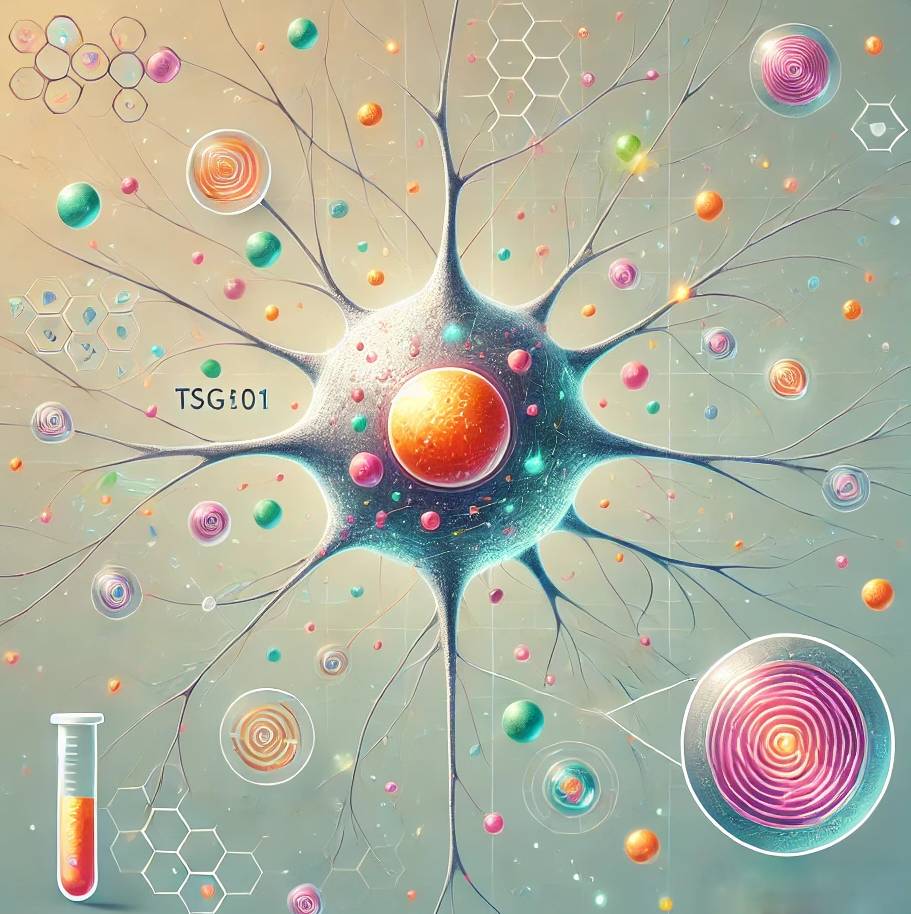
Tumor Susceptibility Gene 101 (TSG101) plays a key role in the cell’s usual controls on growth or repair, helping cells clear excess proteins. Cleaning the cell from these excess proteins is called autophagy, which is essential for maintaining rapamycin for neuron protection and overall brain health.
Rapamycin’s Role in Autophagy
Rapamycin is a chemical that triggers autophagy and supports rapamycin for autophagy processes. The study showed that rapamycin increased TSG101 protein levels, promoting autophagic flux in neuron cells. When TSG101 levels rise, cells can better break down unwanted, degenerate proteins, highlighting rapamycin for TSG101 activity.
TSG101 Knockdown and Effects on Neuron Cells
Researchers knocked down TSG101 to see what would happen if cells lost this protein. They observed more autophagosomes, structures that gather waste, but these could not complete their function without sufficient TSG101. As a result, harmful proteins and other debris accumulated inside the cells, emphasizing the importance of rapamycin for neuroprotection.
Visualizing Autophagy with Fluorescent Markers
The team used fluorescent markers to track key steps in autophagy. These markers revealed where TSG101 aids protein cleanup. TSG101 helps fuse waste-packed autophagosomes with other cell compartments, which then break down excess proteins. This process is a key mechanism by which rapamycin for brain health supports neuron survival.
Implications for Neuron Survival and Neuroprotection
Without TSG101, cells could not remove clumps of proteins even in the presence of rapamycin. Researchers also noted that neuron cells had lower survival when TSG101 was reduced. These findings suggest that TSG101 is critical for maintaining healthy neurons and demonstrate how rapamycin for neuron protection relies on TSG101-mediated autophagy.
Conclusion
These insights help explain how rapamycin protects neuron cells. TSG101 appears to support rapamycin’s protein-clearance function, which might be useful in preventing damage linked to protein buildup in neurodegenerative diseases. This research could guide new strategies for rapamycin for neuroprotection and enhancing rapamycin for brain health.