
Can Rapamycin for Dogs Slow Aging? New Findings from the Dog Aging Project
The Dog Aging Project has reached an exciting milestone in its landmark dog aging study on healthy aging in dogs. The project recently announced that the first participants—Zoe and Jack—have completed their full three-year involvement in the Test of Rapamycin in Aging Dogs (TRIAD), a groundbreaking clinical trial exploring whether rapamycin for dogs can slow aging or mitigate the effects of aging in dogs.
This is the third and largest clinical trial of its kind, with the goal of enrolling 580 dogs across the United States. TRIAD builds on earlier research suggesting that small, carefully administered doses of rapamycin in dogs may help delay age-related diseases and improve overall healthspan, reinforcing broader discussions around rapamycin for pets longevity and long-term vitality.
A New Frontier in Canine (and Human) Aging
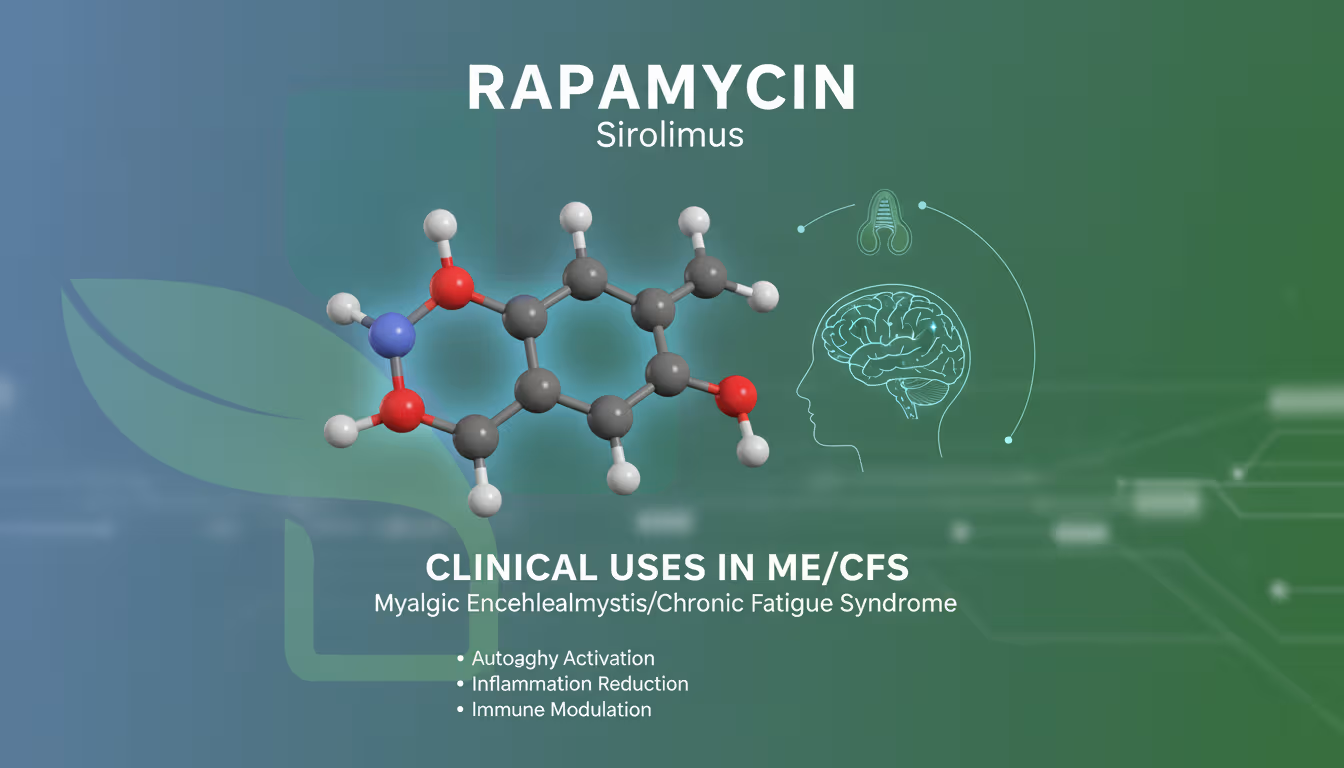
Rapamycin, an immunosuppressive drug originally developed for organ transplant recipients, has emerged in recent years as a leading candidate in anti-aging research. In laboratory animals, rapamycin has shown potential to extend lifespan and delay the onset of age-associated diseases such as cancer, cognitive decline, and heart disease—effects often linked to mTOR’s role in aging and cellular overgrowth.
These findings have fueled interest well beyond veterinary medicine. From longevity science breakthroughs to mainstream coverage like anti-aging enthusiasts experimenting with rapamycin, researchers hope the benefits observed in animals may eventually inform human aging science as well. This positions rapamycin for dog aging as a promising translational research pathway—connecting companion animal health with broader insights into the future of healthy aging.
“Zoe and Jack’s completion of the trial marks a major step forward,” said researchers with the Dog Aging Project. “We are learning more every day about how we might improve the quality and length of life not just for dogs, but potentially for people as well.”
How TRIAD Works
To be eligible for TRIAD, dogs must meet several criteria:
- Age 7 years or older
- Weight between 44 and 120 pounds
- Spayed or neutered
- In overall good health
Owners must commit to bringing their dogs to a clinical trial site every six months over the course of three years. Trial locations are spread across the U.S., including Wheat Ridge and Fort Collins, Colorado.
Veterinarians are encouraged to inform clients about the study, as interest in rapamycin as a longevity drug continues to grow—not only for humans but also for companion animals. Educational materials and enrollment details are available on the Dog Aging Project website.
A Collaborative Scientific Effort
The Dog Aging Project is a large-scale, community science initiative led by Texas A&M University, the University of Washington, and Tufts University, in collaboration with numerous research institutions. The project received a significant funding boost in 2024 with a $7 million grant from the National Institutes of Health (NIH), in addition to ongoing philanthropic support and backing from the Dog Aging Institute.
The TRIAD study is just one part of the larger Dog Aging Project, which aims to understand the biological, genetic, and environmental factors that influence canine aging and evaluate whether rapamycin is a key life-extension tool for pets could safely support healthier aging over time. These efforts align with broader investigations into what’s next for rapamycin in longevity research across species.