

Topics
News
Anti-Aging Enthusiasts Are Taking a Pill to Extend Their Lives. Will It Work? “The New York Times”
In this article, The New York Times provides real-world examples of how rapamycin works in humans. The report explores the idea of a rapamycin anti-aging pill, drawing on the words and perspectives of doctors, researchers, and users themselves. This discussion closely mirrors broader analyses such as can rapamycin really help you live longer? and the…
Off-Label Use of Rapamycin: From Longevity to Weight Loss
What Is Rapamycin Off-Label Use? Rapamycin off-label use refers to the practice of prescribing this medication for purposes beyond what it was originally approved for by regulatory authorities like the FDA. While off-label use is both legal and common, it typically occurs when a physician believes the drug may provide benefits for a specific condition…
What are Rapamycin benefits?
Rapamycin has several important uses in human medicine, highlighting a wide range of Rapamycin benefits, particularly in transplant medicine and other clinical and research areas. Here’s how sirolimus can help people, as also discussed in broader overviews of rapamycin and longevity science and its expanding medical role. 1. Prevention of Organ Rejection (Immunosuppressive Therapy) One…

Rapamycin for Pets: Life-Extending Research and Benefits
Rapamycin has gained attention as a potential life-extending drug in humans, and there’s growing interest in rapamycin for pets, particularly dogs. Rapamycin is an immunosuppressant that has been used for various medical conditions, including preventing organ transplant rejection and treating certain cancers. More recently, scientists have begun exploring its potential role in rapamycin pet longevity,…
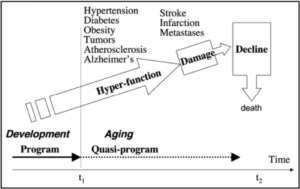
Mikhail Blagosklonny’s Pioneering Work on Rapamycin and Anti-Aging: Explore mTOR Inhibition for Longevity
Dr. Mikhail Blagosklonny is best known for his pioneering research on aging, cancer, and the Rapamycin mTOR pathway, which is central to his work on rapamycin and its potential as an anti-aging and cancer therapeutic. He has written extensively about the potential of rapamycin for anti aging. His research largely focuses on the mTOR pathway,…

“Dream Come True”: Study suggests drug could extend women’s fertility by five years. The Guardian
Rapamycin, originally developed as an immunosuppressant, has been explored for its potential to extend lifespan and delay aging. The Guardian has reported on several studies investigating its effects: Women’s Health and Reproductive AgingIn July 2024, researchers at Columbia University announced preliminary results from a clinical trial exploring Rapamycin for women’s health. The study suggests that…

Rapamycin Healthy Lifespan: Insights from Leading Aging Researchers on mTOR, Longevity, and Anti-Aging Benefits
Rapamycin has been researched by many doctors and academicians, and numerous articles have been published about its benefits. As we know, in addition to supporting a long and healthy life, it is also anti-cancer, making it a very valuable compound. Now let’s look at what a few leading researchers have to say about Rapamycin healthy…

Biohackers Examine Rapamycin as a Potential Anti-Aging Drug
Rapamycin and Its Anti-Aging Promise Rapamycin is a drug that doctors use to prevent the immune system from rejecting transplanted organs. Scientists discovered it in the soil of Easter Island, where certain organisms produce this molecule. Later, researchers observed that rapamycin blocks a cellular process called mTOR, which helps regulate cell growth and repair—essential factors…
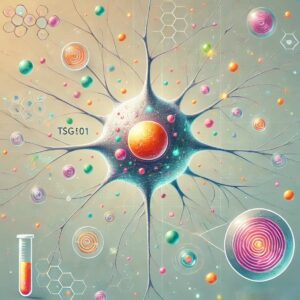
Does Rapamycin Protect Neuron Cells?
Tumor Susceptibility Gene 101 (TSG101) and Neuron HealthTumor Susceptibility Gene 101 (TSG101) plays a key role in the cell’s usual controls on growth or repair, helping cells clear excess proteins. Cleaning the cell from these excess proteins is called autophagy, which is essential for maintaining rapamycin for neuron protection and overall brain health. Rapamycin’s Role…
mTOR for Aging: Dr. Joan Mannick on Rapamycin & Longevity
Introduction Dr. Joan Mannick is a medical doctor who has dedicated her career to studying how the body ages. She grew up in a family of doctors and later moved from clinical medicine into research, focusing on ways to help people stay healthier as they grow older. Her work centers on a key biological pathway…