Free worldwide shipping

Disclaimer: The content on this blog page is provided for informational, educational, and research discussion purposes only. It is not intended as medical advice, a recommendation for treatment, or an endorsement for the use of any substance.

  • Rapamycin is a prescription pharmaceutical drug with known risks and side effects.

  • The theories and research discussed are experimental and not conclusive. Outcomes described in research may not apply to individuals.

  • You should always consult with a licensed healthcare professional regarding any medical condition or before considering any treatment.

  • The information here has not been evaluated by the FDA or any other regulatory body.

By accessing this content, you acknowledge and agree to these terms.

“Dream Come True”: Study suggests drug could extend women’s fertility by five years. The Guardian
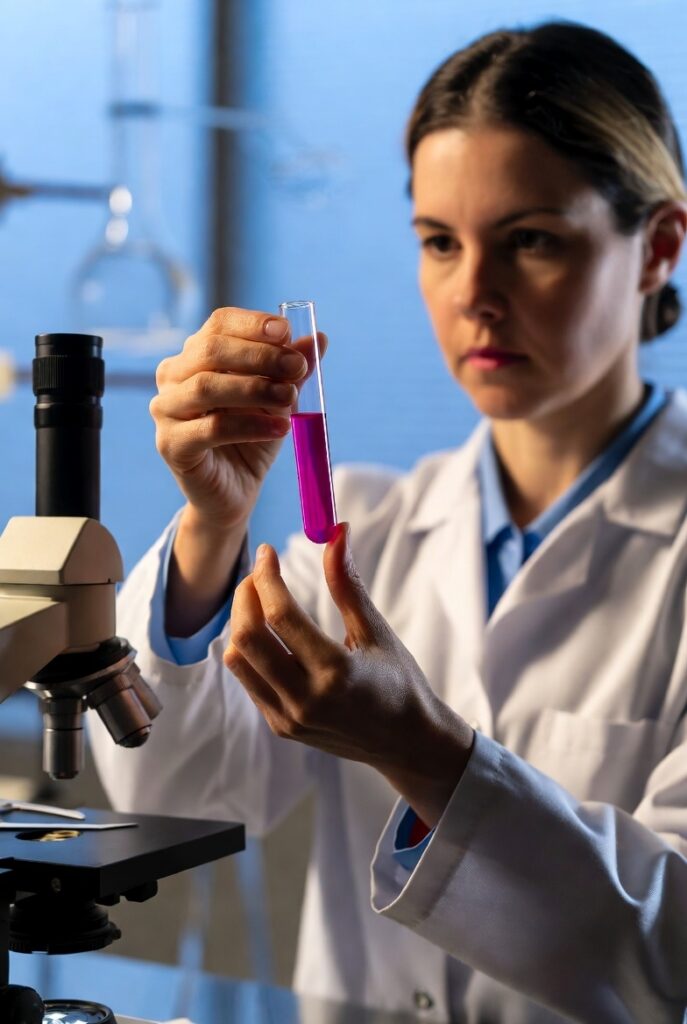
“Dream Come True”: Study suggests drug could extend women’s fertility by five years.                     The Guardian

Rapamycin, originally developed as an immunosuppressant, has been explored for its potential to extend lifespan and delay aging. The Guardian has reported on several studies investigating its effects:

Women’s Health and Reproductive Aging
In July 2024, researchers at Columbia University announced preliminary results from a clinical trial exploring Rapamycin for women’s health. The study suggests that rapamycin could delay menopause by approximately 20%, potentially reducing health risks associated with aging ovaries. These findings highlight rapamycin’s potential in reproductive aging and its role as a therapeutic option for aging ovaries. The study is part of an ongoing rapamycin fertility extension study aimed at improving reproductive health in later life.

Dogs as Models for Human Aging
In December 2024, The Guardian highlighted research involving dogs to study longevity drugs like rapamycin. The Dog Aging Project is testing rapamycin to determine if it can extend dogs’ healthy lifespan, with the hope that findings could inform human aging studies.

Immune System Rejuvenation
In July 2018, The Guardian reported on trials of anti-aging drugs, including rapamycin, aimed at rejuvenating the immune system. These drugs work by inhibiting the mTOR pathway, which is involved in aging processes.

While these studies are promising, Rapamycin for women’s health and other reproductive applications remain experimental. Further research is necessary to fully understand its efficacy and safety in humans.

Latest news

Can Rapamycin Make You Look Younger? Effects on Skin and Physical Appearance

Can Rapamycin Make You Look Younger? Effects on Skin and Physical Appearance

Is Rapamycin Effective for Long Covid or ME/CFS Symptoms? (Emerging 2025–2026 Trend)

Is Rapamycin Effective for Long Covid or ME/CFS Symptoms? (Emerging 2025–2026 Trend)

Rapamycin and Health Equity: Who Gets Access to Longevity Medicine?

Rapamycin and Health Equity: Who Gets Access to Longevity Medicine?

Is Rapamycin the First True Anti-Aging Drug? Examining the Evidence

Is Rapamycin the First True Anti-Aging Drug? Examining the Evidence

Topical Rapamycin for Skin Aging: Topical Applications and Results

Topical Rapamycin for Skin Aging: Topical Applications and Results