
Can Rapamycin Make You Look Younger? Effects on Skin and Physical Appearance
The search for a true “fountain of youth” has shifted from mythical springs to the microscopic world of cellular signaling. At the center of this revolution is Rapamycin, an FDA-approved drug originally discovered in the soil of Easter Island in the 1970s. While its historical use involves preventing organ rejection in transplant patients, a wave of new research suggests it may hold the key to slowing, or even reversing, the biological markers of aging in human skin and physical appearance.
Can Rapamycin make you look younger? Yes, clinical evidence indicates that low-dose topical rapamycin can reduce fine wrinkles, improve skin sagging, and create a more even skin tone. It works by inhibiting the mTOR pathway, which triggers a reduction in senescent “zombie” cells and a significant increase in Collagen VII, a protein critical for skin structural integrity.
While most longevity enthusiasts are familiar with the drug’s ability to extend lifespan in every animal species tested—from yeast to mice—the leap to human aesthetics is a more recent development. This deep dive explores the advanced mechanisms, clinical findings, and real-world user protocols that define rapamycin’s role in modern anti-aging science.
How Does Rapamycin Inhibit the mTORC1 Pathway to Rejuvenate Skin?
Rapamycin binds to the FKBP12 protein to create a complex that directly blocks mTOR Complex 1 (mTORC1), a master regulator of cell growth and metabolism. By turning down this “growth” dial post-development, the drug triggers autophagy—a cellular recycling process that clears out damaged proteins and reverses the “geroconversion” of healthy cells into inflammatory senescent cells.
The Biology of Geroconversion
In our youth, mTOR drives necessary growth and mass accumulation. However, as we age, mTOR activity remains high, even when cells can no longer effectively divide. This leads to a state called geroconversion, where cells stay metabolically active but stop functioning correctly, instead pumping out inflammatory markers known as the Senescence-Associated Secretory Phenotype (SASP).
In the skin, this process is devastating. Senescent dermal fibroblasts stop producing collagen and instead secrete enzymes that actively degrade the skin’s matrix. Rapamycin acts as a “brake” on this runaway engine. By inhibiting mTORC1, it helps maintain cells in a younger, more efficient state and prevents the depletion of the stem cell niche.
mTORC1 vs. mTORC2: A Delicate Balance
One of the most frequent questions in longevity circles is: “Does Rapamycin affect mTORC2 and why is that dangerous?” Chronic, high-dose use of rapamycin can eventually inhibit mTORC2, which is involved in insulin signaling and cell survival. Inhibiting mTORC2 is associated with side effects like insulin resistance and hyperlipidemia. This is why most “biohackers” and clinical practitioners prefer pulsatile dosing (e.g., once weekly) rather than daily administration, as it allows for mTORC1 inhibition while sparing mTORC2 function.
Topical Rapamycin (Sirolimus) for Skin Aging and Wrinkles
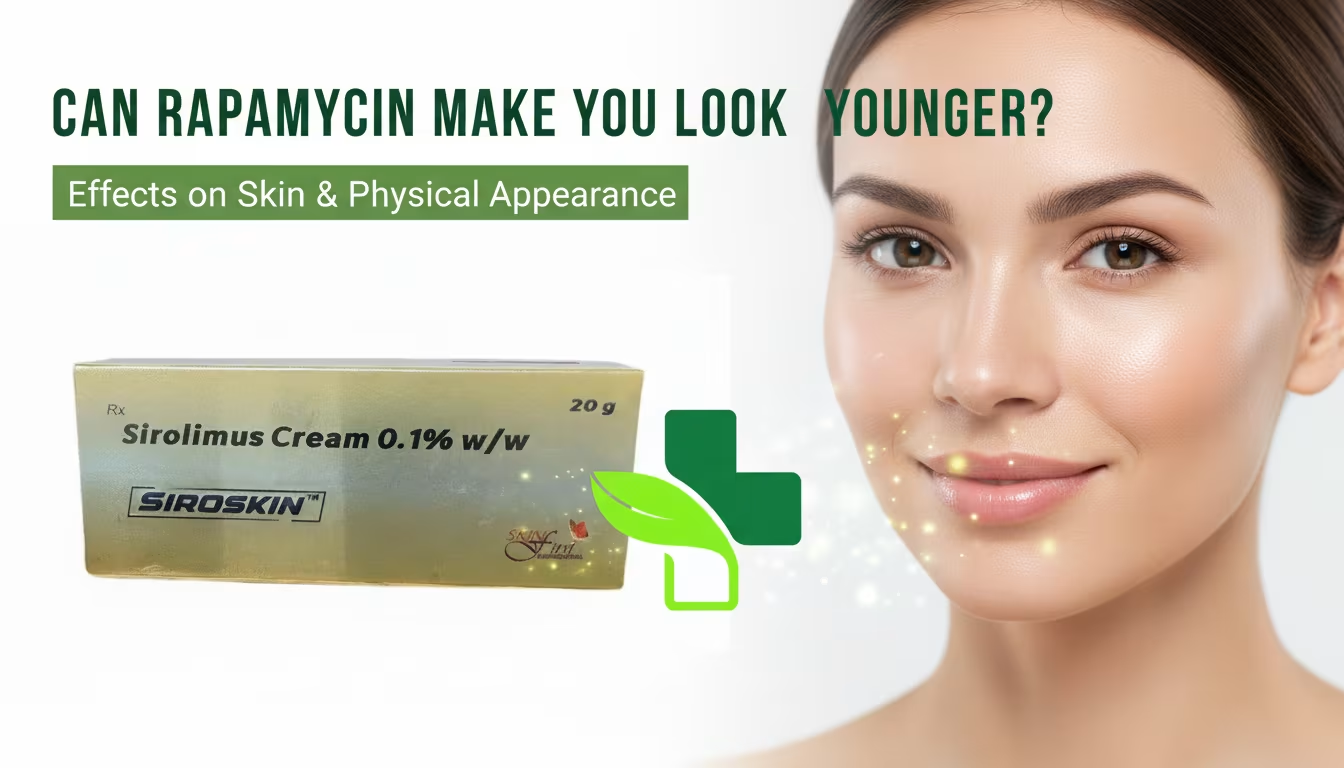
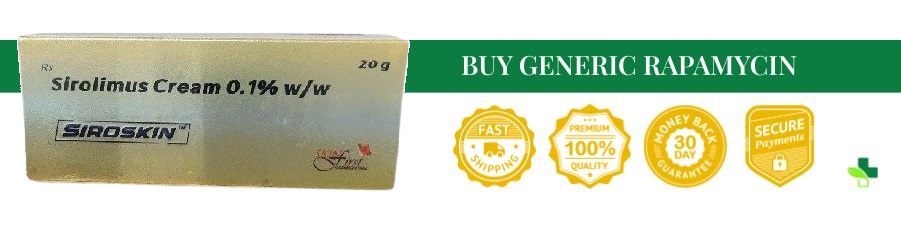
Topical rapamycin (commercially called SiroSkin) is highly effective at reducing the molecular signs of aging. In a landmark 2019 study, participants applying a low-dose 10 µM rapamycin cream saw a statistically significant reduction in the p16 protein (a marker of cellular senescence) and a surge in Collagen VII protein levels, which is vital for the basement membrane that prevents skin tearing and wrinkling.
The Drexel University Breakthrough
In an exploratory trial led by researchers at the Drexel University College of Medicine, 13 participants over the age of 40 applied rapamycin cream to one hand and a placebo to the other every 24 to 48 hours. The results after eight months were striking:
- Wrinkle Reduction: Photography documented a visible decrease in fine wrinkles and a reduction in skin sagging.
- Dermal Volume: Participants noted an increase in dermal volume and a “brighter,” more even skin tone.
- Basal Layer Organization: Biopsies revealed a more organized basal layer in the epidermis, which typically becomes disorganized and “flat” as we age.
How to Apply Topical Rapamycin Based on Clinical Studies
- Consult a Professional: Obtain a prescription, as topical sirolimus is currently an off-label use for anti-aging.
- Start Low: Clinical studies used a concentration of 10 µM (0.001%), though some dermatologists experiment with up to 0.2%.
- Apply to Clean Skin: Use once daily or every other day, preferably in the evening, to dry skin in areas like the face, neck, or back of the hands.
- Consistency is Key: Molecular changes generally take 4 to 8 months to manifest as visible aesthetic improvements.
User Experience: “Skin Feels Thicker”
On community forums like Reddit, users have shared anecdotal confirmation of these findings. One user noted that after mixing a custom 0.05% rapamycin cream, their “wrinkles are much less visible, and the skin feels ‘thicker’ due to the increase of collagen”. Another mentioned that while results were subtle, their “skin is in great condition for my age”.
The Relationship Between Rapamycin and Cellular Senescence (SASP)
Rapamycin acts as a senomorphic agent, meaning it does not necessarily kill senescent cells (like a senolytic would), but it suppresses their harmful secretory phenotype (SASP). By stopping “zombie” cells from “infecting” their neighbors with inflammation, rapamycin halts the rapid spread of aging through the dermis.
Stopping the “Bystander Effect”
Senescence isn’t just a local problem; it spreads. When a fibroblast becomes senescent, its SASP, and matrix metalloproteinases (MMPs)—damages the surrounding healthy tissue. This is known as the bystander effect.
In the skin, MMPs (specifically MMP-1, MMP-3, and MMP-9) are the primary culprits for collagen degradation. Rapamycin has been shown to:
- Lower MMP expression: Preventing the active destruction of the extracellular matrix.
- Reduce Pro-inflammatory Cytokines: Lowering the levels of IL-6 and IL-8 that drive “inflammaging”.
- Restore Fibroblast Priming: Helping dermal fibroblasts maintain their functional identity so they continue to produce youth-giving proteins.
Rapamycin Side Effects: Rashes, Acne, and Stomatitis
While low-dose rapamycin is generally well-tolerated, it can cause skin rashes, acne breakouts, and mouth sores (stomatitis). Most side effects are mild, dose-dependent, and reversible upon adjusting the schedule or concentration.
Common Dermatological Reactions
- Rapamycin Rash and Acne: Many users report breakouts or “application site acne” when using the drug topically. This is often due to the vehicle (the cream base) or localized immune suppression allowing for minor infections.
- Mouth Sores (Stomatitis): This is the most frequently cited side effect of oral rapamycin. It typically occurs shortly after starting the regimen or when the dose is increased.
- Impaired Wound Healing: Because mTOR is necessary for the initial phases of tissue repair, chronic high-dose rapamycin can delay healing after surgery or injury.
Managing the Risks
Experts recommend several strategies to mitigate these issues:
- Tretinoin Synergy: Combining topical rapamycin with tretinoin (Retin-A) can help prevent acne breakouts and enhance collagen production through a dual-pathway approach.
- Intermittent Dosing: Taking the drug once a week or every two weeks significantly reduces the likelihood of mouth sores and metabolic disturbances.
- Blood Testing: It is essential to monitor lipids (triglycerides) and blood glucose, as rapamycin can cause transient elevations in these markers.
Topical Rapamycin vs. Oral Tablets: Which is Best for Beauty?
For targeted aesthetic improvements like wrinkles and age spots, topical rapamycin is the safer and more direct choice, as it does not enter the bloodstream and avoids systemic side effects. However, oral tablets provide a more “robust” effect by rejuvenating subcutaneous structures and deep tissue that topical creams cannot reach.
The Case for Topical
Topical application allows you to deliver high concentrations directly to the “battlefield” (your face or hands) without exposing your liver, kidneys, or immune system to the drug. In the Drexel study, blood tests confirmed that none of the rapamycin was absorbed into the bloodstream. This makes it an ideal “cosmeceutical” for those worried about long-term drug safety.
The Case for Oral
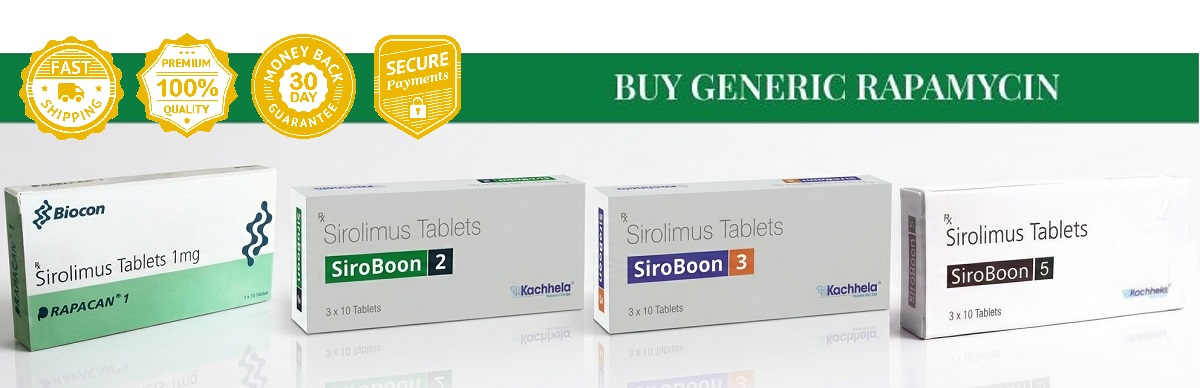
Oral rapamycin exerts a systemic anti-aging effect. As one doctor noted, “I would suspect more robust effects taken systemically as it should then have impacts on all tissues (including subcutaneous structures)”. Some users also report systemic benefits like “crazy energy” and improved recovery from workouts.
Conclusion: Is Rapamycin the New “Gold Standard” for Youth?
Rapamycin is no longer just a drug for transplant recipients; it has become a cornerstone of the biohacking and longevity community. By fundamentally changing the way our cells age—rather than just “irritating” them into working harder like retinoids do—it offers a truly unique mechanism for aesthetic rejuvenation.
The clinical evidence from the Drexel study, combined with countless animal trials and growing human anecdotes, confirms that rapamycin can:
- Reduce fine lines and wrinkles.
- Restore skin thickness and volume.
- Potentially improve hair pigment and quality.
However, this is a powerful medical intervention. As science continues to refine the optimal “longevity dose,” the most sensible approach is to work with an informed physician, start with low topical concentrations, and monitor your body’s response.
Topical rapamycin can modestly improve fine wrinkles and skin tone in treated areas, but it does not give a dramatic “younger” look. Oral rapamycin is mainly studied for health and disease risk, not for visible cosmetic change.
Noticeable changes usually take 4–8 months of consistent use. Early on you may only feel subtle texture improvements, with clearer wrinkle and firmness changes appearing after several months.
There is no standardized “longevity dose,” but the most common protocol among users and researchers like Matt Kaeberlein is 6 mg once per week.
Topical rapamycin limits exposure to the skin, so systemic side effects are much lower. Oral rapamycin can affect the whole body and is linked to more side effects like mouth sores and acne.
Rapamycin cream mainly helps fine, superficial wrinkles and texture, not deep folds or volume loss. It works more like a slow rejuvenation support than a quick fix like fillers or lasers.
Yes, but mildly. By reducing senescent‑cell burden and inflammation, it can help brighten skin and make tone more even in treated areas. This is not the same as strong bleaching or pigment‑targeting treatments.
Sometimes. Oral rapamycin can cause acne or rashes in some people, which may temporarily make skin look less healthy. Hair thinning or graying can also occur over time, so cosmetic benefits are not guaranteed.
Prescription rapamycin creams are used for conditions like facial angiofibromas and are stronger than many cosmetic‑style products. Over‑the‑counter or longevity‑skincare preparations may use lower concentrations and are less tightly regulated.
For safety, it’s wise to discuss topical rapamycin with a dermatologist or clinician, especially if you have sensitive or acne‑prone skin. This is even more important if you already use oral rapamycin or other prescribed medications.
Yes, in small trials, rapamycin cream improved wrinkles, firmness, and tone on aging hands. Similar effects are being explored on neck and décolletage, but evidence is still emerging and mostly limited to cosmetic‑style reports.
Rapashop offers clinically tested Rapamycin cream for topical use.
Resource links
Rapamycin May Slow Skin Aging, Drexel Study Reports
Rapamycin for longevity: the pros, the cons, and future perspectives
Rapamycin has anti-aging effect on human skin
Aging in the dermis: Fibroblast senescence and its significance
Dr. Davin LIM: Dermatologist Prescribing Topical Sirolimus
REDDIT: Anyone try topical rapamycin (sirolimus) face ream?
The bystander effect contributes to the accumulation of senescent cells in vivo
Single-cell transcriptomes of the human skin reveal age-related loss of fibroblast priming
Rapamycin News: Oral vs Topical Rapamycin for Skin Benefits?
REDDIT: Any positive aesthetic progress noticed after starting rapamycin?