
Longevity Hopes: Could Rapamycin Be The First True Longevity Drug?
Recent human studies suggest rapamycin may boost immunity, support brain health, and even influence women’s health. Could this be the first real step toward slowing human aging and influencing longevity organ aging across multiple biological systems? For a broader view of rapamycin’s potential, many people explore questions like can rapamycin really help you live longer? and is rapamycin an effective longevity drug?.
From Mice to Humans: A New Era of Low-Dose Rapamycin Longevity Research
For years, I’ve seen headlines about rapamycin extending lifespan in mice—something often discussed in rapamycin and longevity science and even mainstream stories like the NYT coverage on anti-aging enthusiasts. That’s fascinating, of course—but the real question has always been: can it work in humans too?
Recently, a few small but promising studies have started giving us answers. And honestly, this is where low dose rapamycin longevity research becomes truly exciting. You can also see where the field is heading in What’s Next for Rapamycin.
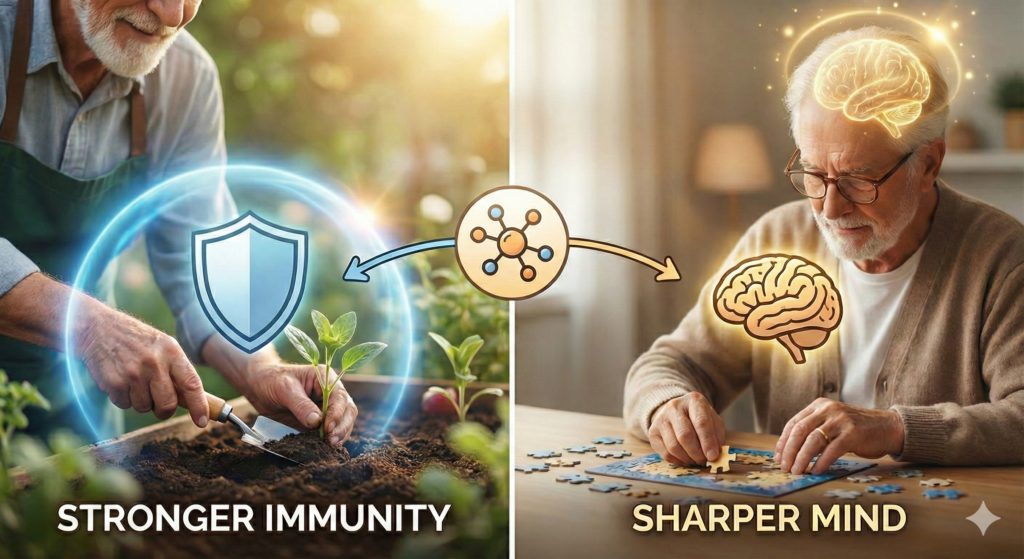
Stronger Immunity in Older Adults
One of the most eye-catching studies tested everolimus (a rapamycin analog) in adults over 65. The results?
- Participants given low doses had a 20% stronger response to the flu vaccine.
- T cells—the immune system’s “soldiers”—showed healthier activity.
To me, this feels huge. A drug that can strengthen age-weakened immunity is already valuable on its own—especially when we consider its wider potential effects on longevity organ aging and immune resilience.
Emerging research in immunity also includes areas like rapamycin’s role in HIV gene-therapy immunity and updates such as Rapamycin in 2025.
Early Signals in Longevity Brain Health
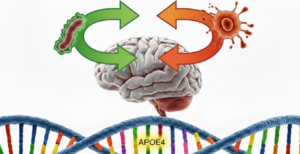
Another trial looked at people with mild cognitive impairment (a pre-Alzheimer’s condition). And the surprising part?
- Rapamycin didn’t appear much in spinal fluid (so it may not fully cross the blood-brain barrier).
- Yet some Alzheimer’s-related biomarkers shifted—indicating biological impact.
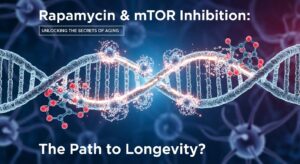
This connects with early research on neuronal protection such as does rapamycin protect neuron cells? and deeper biological models like mTOR’s role in aging and rapamycin & mTOR as a potential “aging switch”.
It’s early days, but even this signal is exciting. If rapamycin can influence longevity brain health and slow neurodegeneration, that would be revolutionary.
Good News: No Clash With Exercise
A major concern has been whether rapamycin—being a growth-pathway inhibitor—might blunt the benefits of exercise.
But one recent human study suggests otherwise:
- Resistance training + rapamycin still produced strong gains in strength and endurance.
You can see related findings in muscle strength and endurance with rapamycin.
As someone who believes exercise is the best anti-aging “drug” we have, this finding makes me breathe a sigh of relief. Low-dose rapamycin and physical training appear compatible within a low dose rapamycin longevity strategy.
Longevity Women’s Health: Could Rapamycin Delay Menopause?
One of the boldest new studies comes from Columbia University, exploring whether rapamycin might influence reproductive aging.
Women aged 35–45 showed early signals of changes in ovarian function, mood, and sleep. While the data is early and far from conclusive, the possibility that rapamycin could be linked to longevity women’s health and even a longevity menopause delay is astonishing.
For those following this closely, related work includes Can rapamycin delay menopause? and major media coverage such as The Guardian’s women’s fertility study.
If confirmed, rapamycin would not just influence general aging—it could redefine how we understand women’s reproductive longevity.